When Instagram Checking Becomes a Red Flag
Last Updated on February 9, 2026 by Ethan
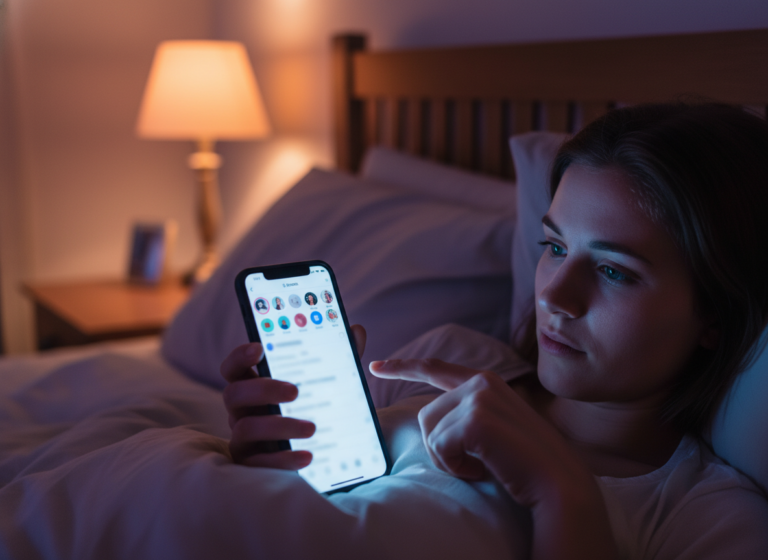
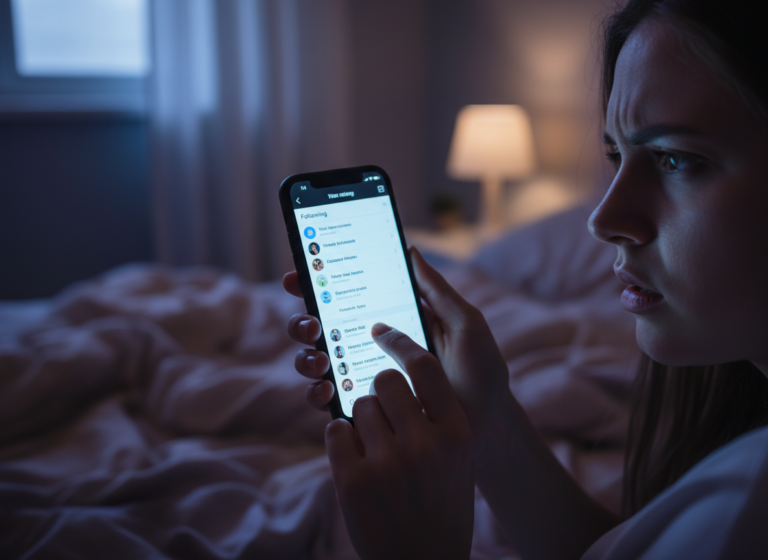
Obsessing over Instagram activity becomes a red flag when checking stops being “useful info” and turns into a loop you can’t interrupt, even when you’re not enjoying it. If you’re refreshing views, likes, followers, or someone’s “last active” to calm anxiety, and the calm lasts about 30 seconds, you’re not tracking. You’re self-soothing.
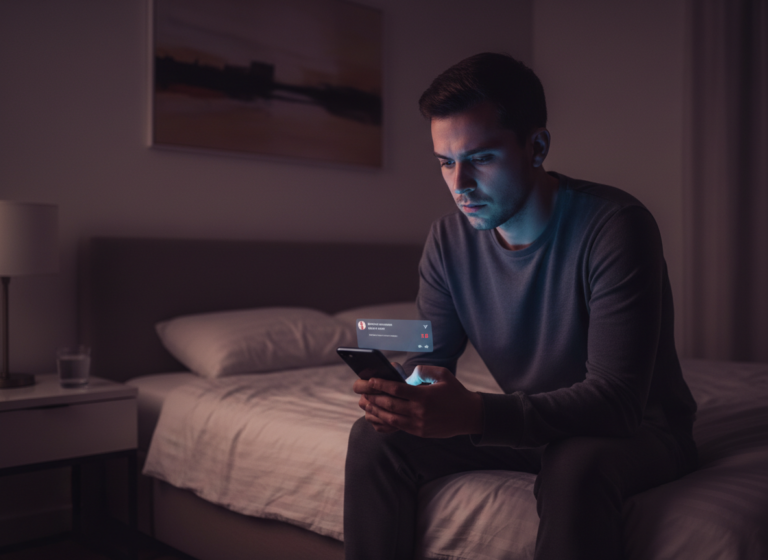
I’ve seen this pattern with creators, managers, and regular users, and honestly, I’ve done it too. You tell yourself you’re just being “on top of things”, then you realize you checked your notifications 18 times before lunch. Oof.
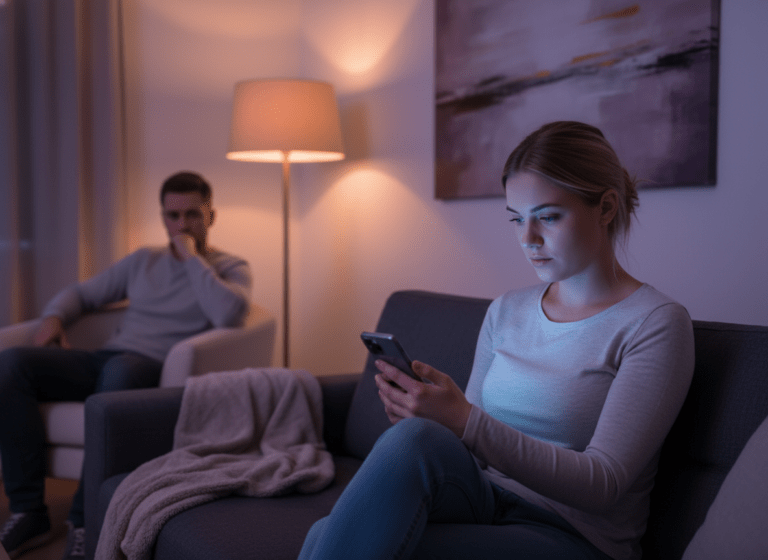
Here’s the thing: checking Instagram is normal. It turns into a problem when it starts stealing your sleep, your focus, your confidence, or even your relationships. And I’ll walk you through how it usually starts, why it grabs you so fast, and what tends to help you stop the loop, without doing that fake thing where you pretend you’ll never care about the numbers.
TL;DR: Obsessing over Instagram activity becomes a problem when it shifts from being informative to a compulsive habit that harms your well-being. If you’re checking for a little reassurance, or just to calm your nerves, it usually backfires and turns into this annoying loop of stress, then doubt, then more checking. But once you can spot the pattern, you can start loosening its grip without swearing off social media forever.
What “Red Flag Checking” Looks Like (In Real Life)
People usually imagine the red flag is “checking a lot.” Not quite. It’s why you check and what happens when you try not to.
Here are the versions of obsessing over Instagram activity I see most:
- The reassurance refresh: you check likes, views, or followers to feel okay, then you feel worse when it’s not “enough.”
- The detective spiral: you scan Stories to see who watched, who didn’t, who watched fast, who stopped liking. (Yes, people do the “who viewed in the first 10 minutes” thing. I’ve been there.)
- The unfollow panic: a follower drop becomes a full-body event. You start guessing names. You start checking your count every hour.
- The status-check habit: you check someone’s activity because not knowing feels unbearable, even if you don’t actually learn anything useful.
And the sneaky part is that the behavior can look “productive.” If you’re a creator, you can always justify it as “analytics.” That’s where it gets messy.
How it works, and why you get stuck, is pretty simple.
It’s the combo of randomness and not knowing that keeps you coming back. Instagram hands you these random little hits: a like, a share, a new follow, maybe a comment from someone you actually care about. Sometimes you get the payoff. Sometimes you get nothing. And that’s kind of the point. Sometimes you don’t. That unpredictability trains your brain to check more, not less.
Here’s the mechanism in plain English:
- Trigger: boredom, anxiety, jealousy, loneliness, or “I posted… now what?”
- Behavior: check notifications, follower count, Story viewers, DMs, or someone’s profile.
- Short relief: a tiny “okay, I know” feeling, even if the data is neutral.
- Rebound: uncertainty comes back fast, so you check again.
Where this gets weird is that the platform itself is noisier than people realize. Views update late. Follower counts can lag. Sometimes a Reel “wakes up” hours later, sometimes it dies instantly. If you treat every small change as meaning something personal, you’ll drive yourself nuts.
The counterintuitive truth
You’d think checking more makes you feel more in control. But it usually does the opposite because it trains your brain that not checking is unsafe. So the “solution” becomes the problem. Annoying, right?
Why This Got Worse in 2026 (It’s Not Just You)
Instagram is more competitive than it was even a couple years ago, and the performance spread is bigger. Engagement benchmarks have drifted down over time, and more accounts are posting more often, which makes individual results feel random. That cocktail makes people watch metrics like a hawk.
Also, the algorithm’s “meaning” signals aren’t as simple as likes anymore. Saves, shares, and real comments carry more weight, and reach can swing wildly between formats. I’ve watched a 50K account pull 200K views on a Reel and then post a feed photo that barely hits 12K reach. Same creator. Same day. Totally different outcome. That whiplash feeds obsessing over Instagram activity because you keep trying to figure out “what I did wrong.”
If you want the numbers side of this, these 2026 benchmark breakdowns are useful for context, not for self-punishment: Instagram engagement rate benchmarks for 2026 and this write-up on what signals the algorithm seems to reward now: engagement metrics that indicate “you matter”.
The Fast Self-Check: Is It “Creator Discipline” or a Compulsion?
I use three questions when I’m talking to clients who swear they’re “just being consistent.”
- Can you delay checking by 15 minutes without feeling edgy or distracted?
- Does checking change what you do next (edit, post, respond, plan), or does it just change how you feel?
- Do you check to learn or to get reassurance?
If you can’t delay, if it doesn’t change your actions, and if reassurance is the goal, you’re probably in compulsive territory.
One lived-detail thing I’ve noticed: on smaller accounts under 10K, people tend to obsess more over each follower change because every unfollow feels “loud.” On big accounts, it flips. You’ll obsess over reach and saves because follower churn is constant and kind of meaningless day-to-day.
Failure Modes: Where “Just Stop Checking” Falls Apart
People love advice like “delete the app” or “just log off.” Sometimes it works. Often it doesn’t.
These are the two main failure modes I see:
- You’re using checking to regulate emotions. If Instagram checking is your anxiety medication (not literally, but you get me), removing it without a replacement makes you bounce to another compulsion: email, TikTok, Snapchat, even refreshing your own profile grid. Same behavior, different app.
- Your job actually requires being on Instagram. Creators and managers can’t just disappear. The goal becomes “structured use,” not “no use.”
That’s why the solution isn’t purity. It’s boundaries you can keep.
What Actually Helps You Stop Obsessing Over Instagram Activity (Without Going Cold Turkey)
I’m going to give you tactics that work for regular users and for creators. Pick a few. Don’t try to become a monk overnight. I tried that once and lasted… half a day.
1) Switch from “checking” to “scheduled reviews”
Pick two windows a day, max. Example: 12:30 PM and 7:30 PM. Outside those windows, you can post and reply, but you don’t open analytics, follower lists, or view counts.
This works because you’re teaching your brain: “I’m allowed to know, just not constantly.” That reduces the panic response.
2) Create a tiny delay (the craving usually peaks fast)
When you get the urge to check, do a 90-second pause first. Set a timer. Breathe. Walk to get water. Anything.
Most urges rise, crest, and fall quickly. If you always check instantly, you never learn that the urge can pass on its own.
3) Decide what you’re tracking and what you’re ignoring
If you’re a creator, pick one primary metric for the week. Not ten. For example:
- This week: saves per reach on carousels
- Next week: shares on Reels
- Next week: replies from Stories
Everything else becomes background noise. Because that’s what it is most of the time.
4) Use the “action rule” (my favorite, because it’s blunt)
You’re allowed to check only if it leads to a specific action within 10 minutes.
- Check Story replies, then reply back.
- Check comments, then respond or pin one.
- Check analytics, then write one change you’ll test next post.
If there’s no action, it’s not a work check. It’s an emotion check.
5) Reduce the “open loops” that keep pulling you back
This is a lived-detail thing I’ve seen across dozens of accounts: the more half-finished interactions you leave (unreplied DMs, comments you “meant to answer,” drafts), the more you keep reopening Instagram to “make sure.”
Try a 10-minute daily cleanup. Reply to what matters. Archive the rest. Close the loop.
6) If you’re spiraling about unfollows, don’t stare at the count
If unfollows are your trigger, you’ll like these deeper reads on the emotional side of it: why unfollow anxiety hits so hard, how to handle being unfollowed without spiraling, and why people unfollow and why it’s usually not personal.
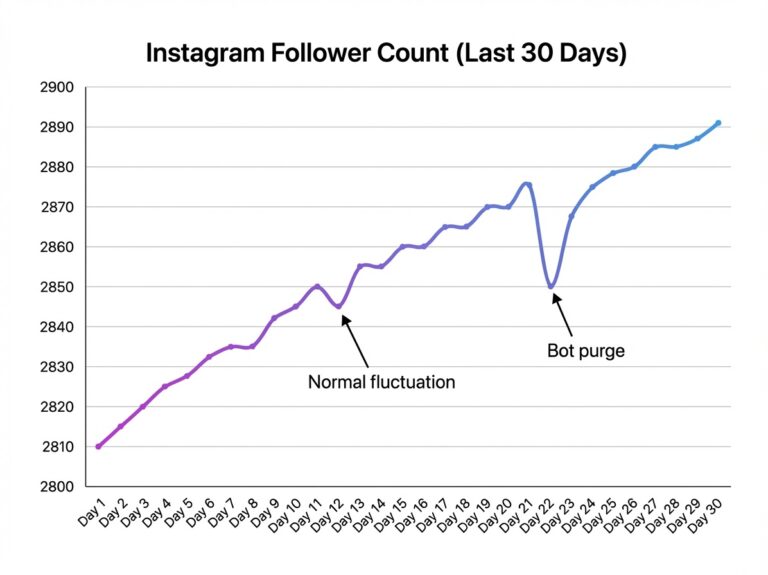
Also, check your timing. Another lived detail: if you check follower changes right after you post, you’ll think your content “caused” unfollows. Sometimes it did. Often it didn’t. People do periodic cleanouts, bots get removed, and someone deactivates. Correlation is not a personal attack.
Creators: The Metrics That Matter (So You Can Stop Doom-Refreshing the Wrong Stuff)
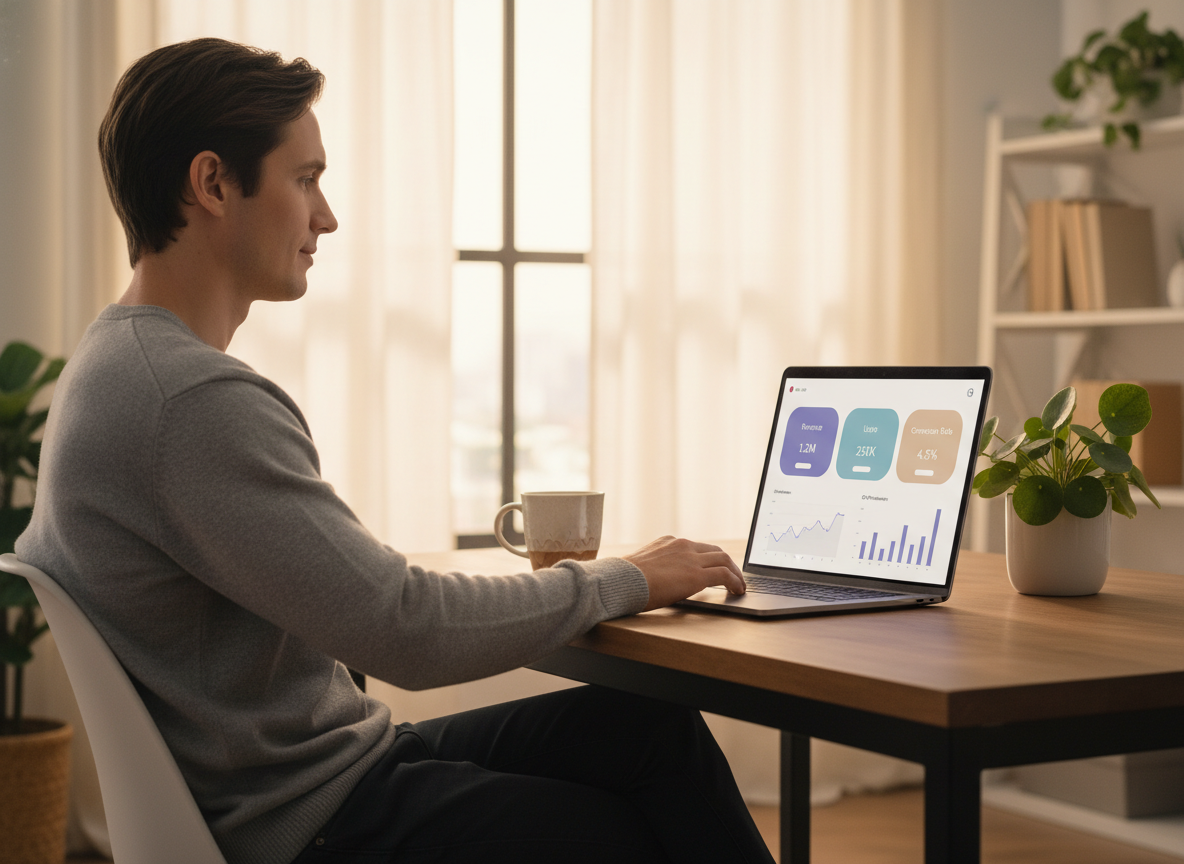
If you’re checking because you’re trying to grow, you’ll calm down faster when you track signals Instagram actually cares about. Likes are not worthless, but they’re not the whole story.
In 2026, what I see working across accounts is consistent with the broader stats people publish: Reels can pull strong engagement and completion, carousels still drive interactions, and Lives punch above their weight for connection. If you’re curious about the Live side specifically, these Instagram Live stats line up with what I’ve seen when creators show up weekly.
A simple weekly cadence that reduces obsession
- 3 to 6 posts/week (mix Reels and carousels)
- 1 Live/week (keep it tight; energy drops if you drag it out)
- One analytics review where you compare posts by reach, not by raw likes
And yes, subtitles help. Location tags help. Niche hashtags can help. But none of that matters if you’re burning your brain out checking every 20 minutes.
How Often Should You Check Instagram (Without Losing Your Mind)?
There’s no magic number that fits everyone, but there is a pattern: the more your checking is driven by emotion, the more you want structure. If you want a practical breakdown, this piece on how often to check Instagram without spiraling gets specific about timing and routines.
Personally, when I’m testing content on an account, I’ll check performance twice on day one (after a few hours, then later that night), then once daily for a couple days. Past that, constant checking doesn’t improve the post. It just ruins my afternoon.
Limitations (What This Advice Won’t Solve)
This won’t tell you whether someone is “secretly mad at you,” losing interest, or trying to send you a message by watching then unfollowing. Instagram data can’t reliably answer that, and trying to mind-read through metrics is a trap.
Also, if your checking is tied to clinical OCD or severe anxiety, routines and timers help, but they might not be enough on their own. Sometimes you need a therapist who understands compulsions, not just “digital wellness” tips. No shame in that.
How UnfollowGram Follower Tracker Helps When You’re Stuck in the Checking Loop
A lot of obsessing over Instagram activity is really obsessing over uncertainty. “Did someone unfollow?” “Who was it?” “Am I imagining it?” That question alone can pull people into repeated checking, screenshotting counts, and doing mental math like it’s a side hustle.
This is where using a purpose-built tool can actually reduce compulsive behavior, as long as you use it intentionally. With a no-password unfollower checker for public Instagram accounts, you can get a clear answer quickly instead of doom-scrolling your profile and second-guessing every number change. In my testing on multiple public accounts (small and mid-size), the biggest relief for users is simply having one place to check once, then move on.
One more honest note: UnfollowGram Follower Tracker is great for follower and following list changes, non-followers, and spotting who left. It won’t tell you why someone unfollowed, and it won’t fix the emotional story you attach to it. That part is still on you. If you want the more “analytics and growth monitoring” angle, this overview of what an Instagram activity tracker can (and can’t) monitor sets expectations pretty well.
FAQ
How to stop obsessing over Instagram?
Switch from constant checking to scheduled review windows (like twice a day), and use an “action rule” where you only check if it leads to a concrete task, not reassurance.
What is the 5 3 1 rule on Instagram?
It’s a common engagement routine: engage with 5 pieces of content, leave 3 meaningful comments, and start 1 genuine conversation (often via DM) to build real interactions instead of passive scrolling.
Can checking social media be an OCD compulsion?
Yes, for some people, checking can function like a compulsion when it’s done to relieve anxiety or uncertainty and feels hard to resist, especially if the relief is short-lived and the urge quickly returns.
How to stop compulsively checking Instagram?
Add a delay (90 seconds), remove easy triggers (turn off badges/notifications), and limit checks to set times so your brain relearns that you can tolerate not knowing in the moment.
Is it normal to check who viewed my Story a lot?
It’s common, but it’s a red flag if you’re doing it for reassurance, if it affects your mood for hours, or if you keep reopening the viewer list even though nothing changes.
Should I delete Instagram if I’m addicted to it?
Deleting can help temporarily, but if the checking is emotion-driven, you may swap to another app; many people do better with structured use first, and extra support if they can’t stick to boundaries.
Conclusion (The Goal Is Calm, Not Perfect)
If you’re obsessing over Instagram activity, you’re not “crazy” and you’re not alone. You’re responding to uncertainty, variable rewards, and a platform that makes outcomes feel personal when they’re often just algorithmic noise.
Pick a couple of boundaries you can actually keep: scheduled checks, a small delay, and tracking metrics that lead to actions. If follower swings are your main trigger, it can also help to use a single tool for quick clarity instead of repeated refreshing and guesswork.
If you want a safer way to check unfollows without handing over your login, UnfollowGram Follower Tracker is worth trying. Keep it boring. Check once. Move on.

Ethan is the founder of UnfollowGram with more than 12 years of experience in social media marketing. He focuses on understanding how Instagram really works, from follower behavior to engagement patterns, and shares those insights through UnfollowGram’s tools and articles.