Why Follower Counts Change but Lists Lag
Last Updated on January 25, 2026 by Ethan
If your follower count shifts but your follower list is still stuck in the past, you’re not crazy. When people search “instagram follower count wrong,” this is usually what they mean: the number updates faster than the list, and sometimes the two don’t match for hours (occasionally longer).
The short version is Instagram doesn’t update everything in one neat, real-time database view. Counts are often cached and refreshed differently than the follower list, and cleanup events (bots, deactivations, privacy changes) can hit the number first and the list later.
I’m gonna break down what’s actually happening behind the scenes, the most common “glitch” scenarios I’ve seen across different account sizes, how to diagnose what kind of mismatch you’re dealing with, and what you can do when you need names, not just a number.
Why the follower count updates before the list
Instagram is basically showing you two different “products”:
- The follower count: a fast, lightweight number that can be updated in batches.
- The follower list: a heavier dataset (usernames, profiles, privacy states, pagination) that’s slower to rebuild and re-sort after changes.
Here’s what nobody tells you: the follower count is often closer to “truth” than the list. You’d think the list is the source of truth because it shows the actual accounts. But in practice, lists lag because they’re delivered in pages, cached, and filtered, while counts can refresh via a simpler counter update.
And yeah, it feels backwards. Same.
How it works, without getting all nerdy.
Instagram wants the app to feel snappy, even though a ton of people are hitting follow and unfollow nonstop. So it uses caching and delayed refreshes.
What I’ve noticed after testing this on dozens of accounts (client accounts, creator accounts, and a couple of my own test pages) is:
- Counts can update after a follow/unfollow event hits Instagram’s systems, even if the list you’re viewing is still showing an older cached snapshot.
- Lists often refresh “per session” or after some trigger (closing the app, switching accounts, scrolling deep enough to fetch new pages).
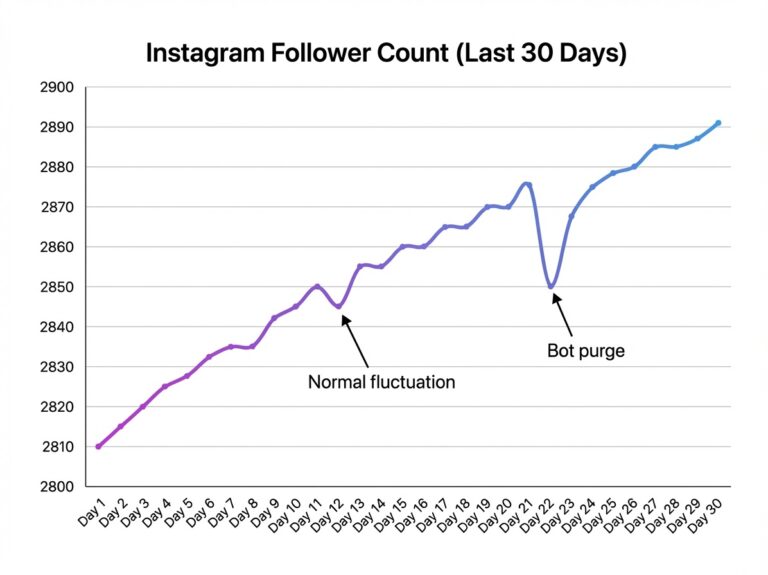
- Cleanups (fake account removals, deactivations) can reduce the count first, while the list still shows those accounts until the next list rebuild.
On small accounts (under 1k), I usually see mismatches resolve pretty fast, like minutes to an hour. On bigger accounts, especially 10k+, it’s way more common to see the list lag until the next day. Annoying. Normal.
The most common reasons your Instagram follower count looks wrong
When someone says “instagram follower count wrong,” it usually falls into one of these buckets. Not all of them are “bugs” either. And sometimes it’s not a glitch at all, it’s Instagram doing what it’s meant to do.
1) Instagram nuked some bots or dead accounts.
They’ve been cleaning house for a while, so you’ll get these sudden drops that feel totally random. Most estimates say a decent chunk of accounts are bots or inactive, and that number’s probably been sliding as Instagram cracks down more. One stats roundup I’ve referenced when explaining this to clients is this Instagram followers statistics page, which aligns with what I see in audits: a chunk of “followers” aren’t real people anymore.
Lived detail: I’ve seen a 3,000 follower drop hit a creator account overnight, with zero “unfollow” pattern in the list the next morning. By that evening, the list finally reflected it, and a bunch of those removed profiles were the usual blank-avatar, zero-post accounts.
This is also why “my follower count dropped but nobody unfollowed me” is such a common complaint. They didn’t. Instagram just deleted the junk.
2) People temporarily deactivated (or got suspended)
When someone deactivates, they can disappear from parts of Instagram in ways that don’t always sync instantly. Same with suspensions. Your count can dip, then bounce later if they reactivate.
It looks like a glitch, but it’s more like Instagram’s systems processing a status change in stages.
3) You’re seeing cached numbers vs cached lists
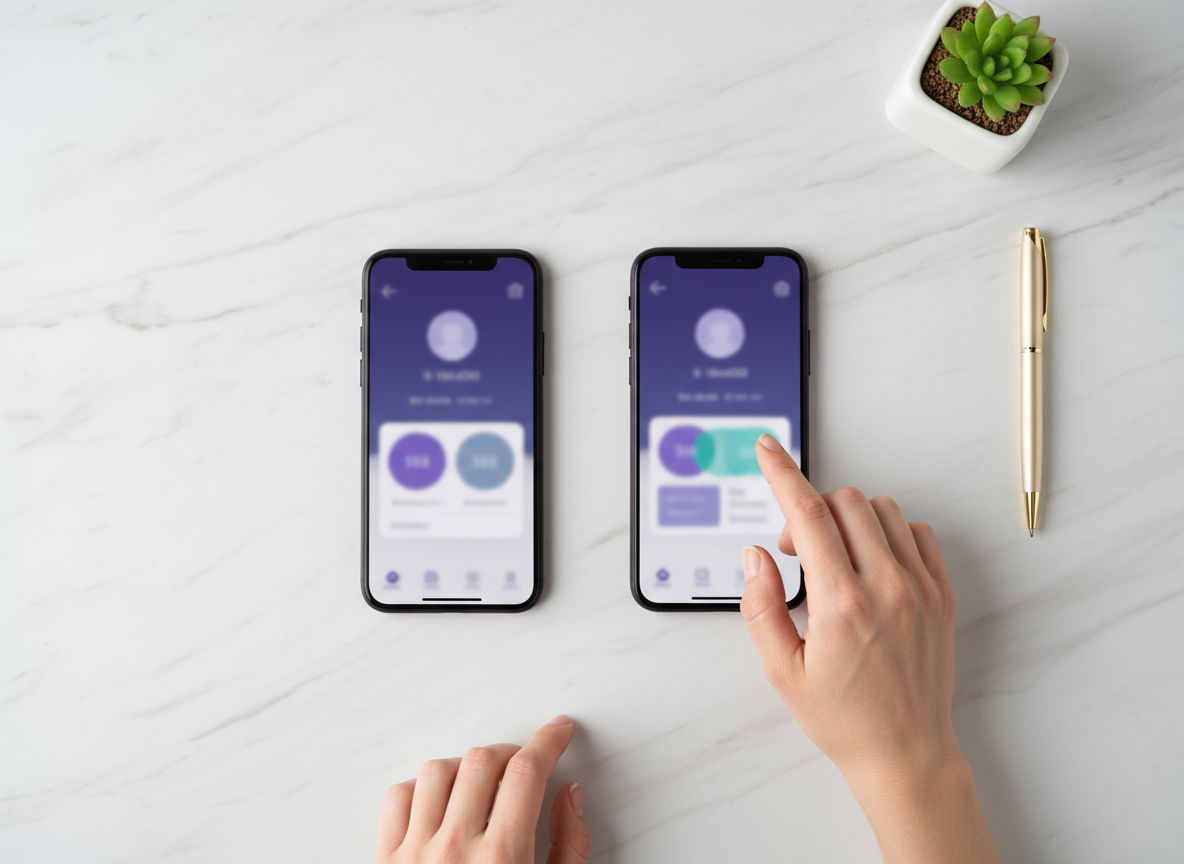
This is the classic: your profile shows 10,214 followers, but your list “ends” early or doesn’t show a recent follower/unfollower.
Sometimes refreshing the profile updates the count, but the follower list is still serving an older cached page. And if you’re switching between Wi‑Fi and cellular, I swear it gets weirder. I can’t prove that last part, but I’ve watched it happen enough times to side-eye it.
4) Instagram’s ranking and filtering inside lists
The follower list isn’t always a simple alphabetical directory. It’s frequently ranked (people you interact with, mutuals, suggested relevance), and that means accounts can “move around” even when the total count stays the same.
This is where people spiral. I get it. I’ve done this too, usually at 1 a.m., scrolling for one specific username and convincing myself they straight-up disappeared. Actually, they were just buried.
5) Cleanups + the 2026 engagement-first shift
Instagram has leaned even harder into non-follower distribution (very TikTok-ish), and it’s changed what “growth” feels like. You can get tons of reach from non-followers while your follower count stagnates, and then when you do grow, the platform may later purge low-quality followers.
I’ve seen “follower jails” become common in 2026: creators stuck at 200 to 300 views no matter how many followers they have. The algorithm is basically saying, “Your followers don’t matter as much as your performance.” Brutal, but also kind of clarifying.
Why the list lag gets worse as your account grows
This part is very “hands-on experience”: lag scales with account size.
On accounts under 1,000 followers, the follower list is small enough that Instagram can refresh it quickly. Once you hit a few thousand, you’re dealing with pagination and heavier caching. Past 10,000, I regularly see list inconsistencies that last a full day, especially after a big cleanup or a sudden reel that brings in a weird wave of low-quality followers.
Also, most accounts sit in that 1,000 to 10,000 range, and only a tiny slice have massive audiences. That distribution is why Instagram optimizes for “typical” loads, not edge cases. If you’re a bigger creator, you’re basically living in the edge case.
Okay, so how do you tell what kind of mismatch you’re dealing with?
Here’s the diagnostic flow I use when a client messages me “my instagram follower count is wrong” (usually with a screenshot and mild panic).
- Check if the drop is clean (sudden) or leaky (gradual).
Sudden drops often point to bot removals or enforcement. Gradual drops are more normal unfollows, content mismatch, or posting patterns. - Look for timing triggers.
Did it happen after a reel went mini-viral? After using sketchy hashtags? After a giveaway? Those correlate with low-quality follows that later get cleaned. - Compare profile count vs list count across devices.
I’ll often check on my phone and desktop. If one updates and the other doesn’t, that screams caching, not real “loss.” - Wait one sleep cycle before doing anything drastic.
I know that’s not what you want to hear. But I’ve watched people remove mutuals or accuse someone of unfollowing, only for the list to update the next day. Been there. Not proud. - If you need names, you need tracking, not vibes.
Instagram doesn’t give you a clean “change log.” If you want to know who left, you have to compare snapshots over time.
And if you’re wondering why Instagram doesn’t just tell you who unfollowed you, there’s a reason for that. I broke it down here: why Instagram doesn’t send unfollow notifications.
Where follower tracking tools fit (and why lists matter)
If you’re trying to understand changes day to day, the simplest method is snapshot comparison: capture a list now, capture it later, then diff it.
That’s why tools like UnfollowGram unFollower Tracker exist. You’re not relying on Instagram’s UI to “feel right” in the moment. You’re comparing what was true yesterday to what’s true today.
How unfollower trackers detect changes (quickly, but safely)
Most people assume these tools are doing something shady. Some are. I’ve tested enough of them to say that out loud. But the safer category (including UnfollowGram’s approach for public accounts) is basically: pull public-follow data, store snapshots, then compare.
If you wanna nerd out on the mechanics, this explains it clearly: how unfollower tracker apps detect changes.
Public vs private accounts changes everything
This is a big limitation people miss: tracking is dramatically easier and more reliable for public accounts. Private accounts lock down what can be seen externally, which means you either can’t track at all, or you’ll get partial, inconsistent results depending on the method.
More detail here: public vs private accounts for tracking.
Common mistakes that make the “instagram follower count wrong” problem feel worse
I’ve watched people accidentally create their own chaos around this. A few patterns show up constantly.
- Refreshing compulsively and believing every refresh is “real-time.”
Instagram isn’t a live scoreboard. It’s a bunch of systems catching up. - Assuming one unfollow explains a drop of 50.
Big drops are usually cleanups, deactivations, or spam purges, not 50 people coordinating against you. (Yes, I’ve heard that theory.) - Blaming shadowbans for everything.
Sometimes it’s content fatigue. Sometimes it’s too many sales posts. Sometimes you posted 7 times in one day and people tapped out. Not everything is a conspiracy. - Trying to “fix” it with follower-buying or follow-unfollow loops.
That stuff still poisons your audience quality, and in 2026 it’s even more obvious because the platform tests your content on non-followers. Low engagement hurts, period.
I’ve also seen people confuse “follower count wrong” with “reach dropped.” Those are related, but not the same. A smaller, engaged audience can outperform a big sleepy one every time. Honestly, 30k engaged followers beats 500k inactive every single week.
Failure modes: where this gets weird (and tools can break)
This is the part most guides skip, because it’s messy.
Failure mode #1: Massive list churn in a short window
If you do something that triggers a surge (giveaway, collab shoutout, controversial post), you can get a wave of follows and unfollows within hours. Instagram may update the count quickly, but the list can lag so hard that your “who unfollowed me” view becomes noisy until the dust settles.
Lived detail: On one giveaway campaign I monitored, the count jumped fast, then dropped in chunks for three days. The follower list was basically unusable for a bit because so many accounts were getting removed or deactivating right after.
Failure mode #2: Private accounts and limited visibility
If your account is private, or you’re trying to track a private account, your options shrink. Snapshot comparisons can be incomplete or impossible. That’s not a tool issue, it’s the privacy wall.
What you can do if your follower count is off right now
If you’re staring at your profile thinking “this instagram follower count wrong situation is driving me insane,” try this in order:
- Log out and back in (or switch accounts and return).
It sounds basic because it is. But it often forces a fresh fetch of profile data. - Check on another device or desktop.
If one view matches and the other doesn’t, you’re probably seeing caching differences. - Give it 12 to 24 hours if the drop was sudden.
Bot cleanups and deactivation syncing tend to resolve by the next day. - Stop chasing individual names until the list stabilizes.
I know, I know. But if the list is lagging, you’ll just stress yourself out and maybe block the wrong person. (Ask me how I know. Ugh.) - Start daily snapshots if you need certainty.
Tracking works when you have consistent reference points. The reason this works is simple: you’re comparing two known states, not guessing from an unstable UI.
If you want a deeper explanation of the snapshot idea and why lists lag in the first place, this pillar page lays it out cleanly: how Instagram unfollow tracking actually works behind the scenes.
Limitations (what this won’t tell you)
- You usually can’t identify “removed by Instagram” vs “unfollowed” with perfect certainty.
If an account vanishes because it got deleted, suspended, or deactivated, it can look identical to an unfollow in some comparisons. - This won’t fix engagement problems.
If your real issue is people leaving because of content (too salesy, inconsistent posting, weak branding), no tool can magically stop that. It can only show you the trend.
Your mileage varies depending on account size, how often you check, and whether Instagram is in the middle of an enforcement wave. That variability is normal, even if it’s inconvenient.
FAQ
Why is Instagram showing the wrong follower count?
Usually it’s caching or delayed syncing: the count updates faster than the follower list, especially during cleanups, deactivations, or big churn events.
Why does Instagram follower count glitch?
Because different parts of Instagram refresh on different schedules, and enforcement actions (fake account removals) can hit the number before the UI lists catch up.
How to fix fake followers on Instagram?
Remove obvious spam followers manually if you can, avoid giveaways and follower-buying, and keep posting for real engagement so future growth is higher quality.
Why did my Instagram following go up when I didn’t follow anyone?
Most of the time it’s a display sync issue, a delayed update, or you authorized an app that followed accounts for you (rare, but I’ve seen it). Recheck after a few hours and review connected apps.
Wrapping it up (and what I’d do next)
If your follower count is changing but your lists lag, it’s usually not a mystery unfollow wave. It’s Instagram’s caching, delayed list refresh, and periodic fake-account cleanups all colliding in a UI that was never designed to be a precise audit tool.
If you care about accuracy over anxiety, start tracking changes with daily snapshots, focus on engaged growth, and don’t overreact to a single weird refresh. And if you want an easy way to keep tabs on who left and who’s not following back (without handing over your password), UnfollowGram is a solid option to keep in your toolkit.
Extra context if you’re curious about how creators are thinking about this shift toward engagement-first discovery: this breakdown on Instagram changes and another creator-focused analysis are both worth a watch.

Ethan is the founder of UnfollowGram with more than 12 years of experience in social media marketing. He focuses on understanding how Instagram really works, from follower behavior to engagement patterns, and shares those insights through UnfollowGram’s tools and articles.