Instagram Crush and Ex Behavior Explained
Last Updated on February 4, 2026 by Ethan
Instagram crush behavior is mostly pattern recognition: who consistently shows up in your Stories, who finds “reasons” to reply, and who keeps a tiny thread of contact alive without making it obvious.
Ex behavior is the same game, but messier. It’s usually a mix of curiosity, ego, nostalgia, and “checking the temperature” without actually committing to a conversation.
I’ve tracked this stuff for years across creator accounts, personal accounts, and brand accounts, and the biggest mistake people make is overvaluing one signal (like a random like) instead of looking for repeated, low-effort, private interactions that stack up over time.
TL;DR: Instagram crush behavior is all about subtle, low-effort interactions like Story replies and consistent viewings, rather than flashy likes. Ex behavior is messier, driven by curiosity and nostalgia, often leading to similar patterns. The key takeaway? Pay attention to repeated, private signals over random public interactions to gauge interest.
What “instagram crush behavior” actually looks like in 2026
If you’re picturing big romantic gestures on the grid, yeah… that’s not really how it plays out anymore. The flirty stuff moved into quieter places: Stories, Reels, and DMs.
Here’s what I see most often when someone’s interested but trying to stay “casual”:
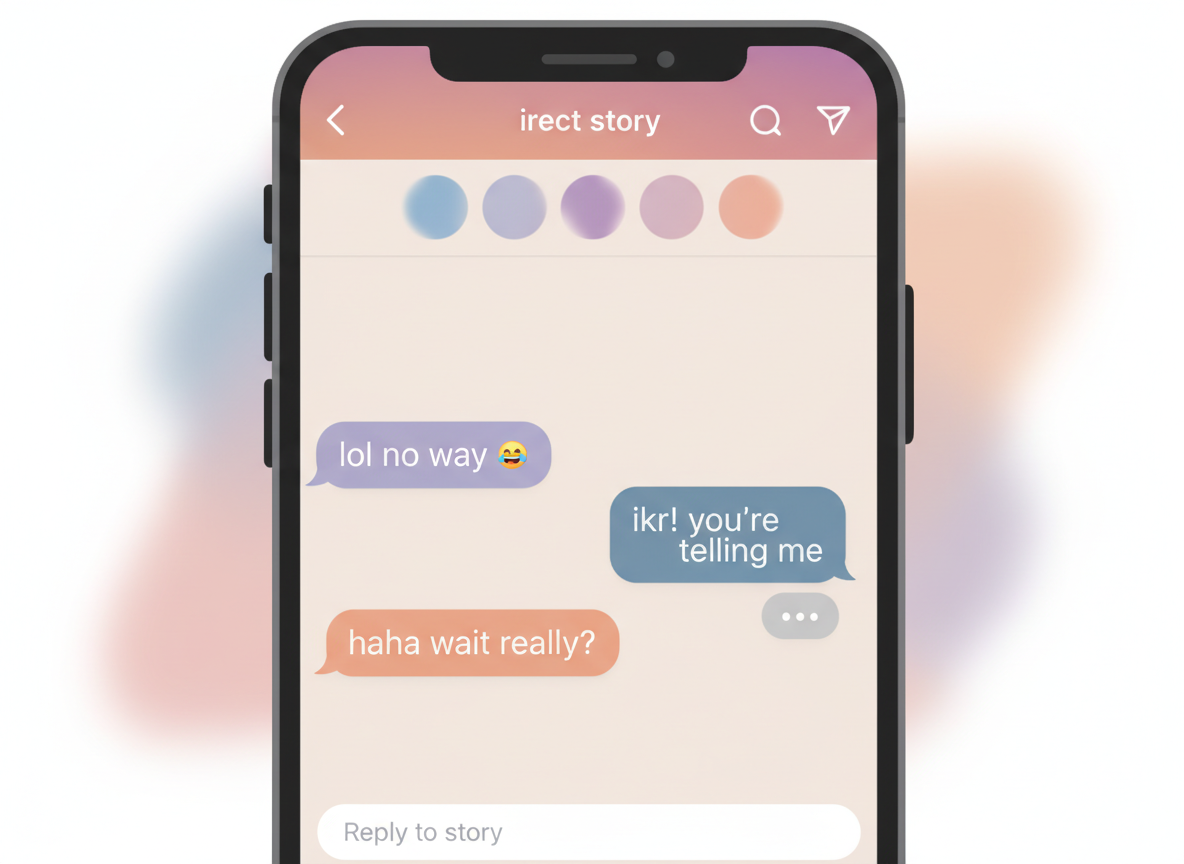
- Story replies that feel accidental. A “lol” or “no way” that could’ve been a reaction, but they chose words. That’s effort.
- Consistent Story viewing. Not once. Not when you post something viral. Consistently, even on boring days.
- Reel engagement over feed likes. Reels are where people spend a ton of time now, and they feel less “public” than commenting on a photo. Reels also take up about half of all time spent on Instagram, so it’s where attention naturally goes (see the 2026 trend notes at Torro’s social media trends).
- “Soft” profile taps. They don’t follow, but they watch, they like one thing, then disappear again. Annoying. Also common.
- Timing tells. If they’re almost always early to your Story, that’s not algorithm magic, that’s a habit. (Yes, I know, it sounds a little intense. Welcome to having a crush.)
One lived-detail thing I’ve noticed: on smaller accounts, crush behavior is louder. People comment because it doesn’t feel like a stage. On bigger accounts, it gets sneakier. More Story replies, fewer public comments, and a lot more “silent watching.”
How it works (why these signals mean anything at all)
Instagram pushes content based on interaction history and relationship strength signals. That includes DMs, Story replies, time spent, profile visits, and repeated engagement patterns. So when someone keeps showing up, it’s usually because they’ve trained the app (and themselves) to keep checking you.
The reason Stories and DMs matter more than public likes is simple: they’re low-pressure. A Story reply feels like a private side conversation, not a public announcement. And in 2026, private messaging is basically the real Instagram for a lot of people.
Also, attention is scarce. With billions of social users globally, people are picky about what they actually engage with. That’s why “small” actions repeated over time can mean more than a big splashy comment once.
Crush vs ex: same tools, totally different motives
Both a crush and an ex might like your Story. Both might watch everything you post. The difference is why they’re doing it, and what happens if you give them an opening.
Crush behavior tends to be incremental
A crush usually escalates in tiny steps. They test the water, see if you respond, then do a little more. It’s almost like A/B testing, but with feelings.
- They go from viewing to reacting
- From reacting to replying with words
- From “haha” to an actual question
- From DMs to consistent conversation
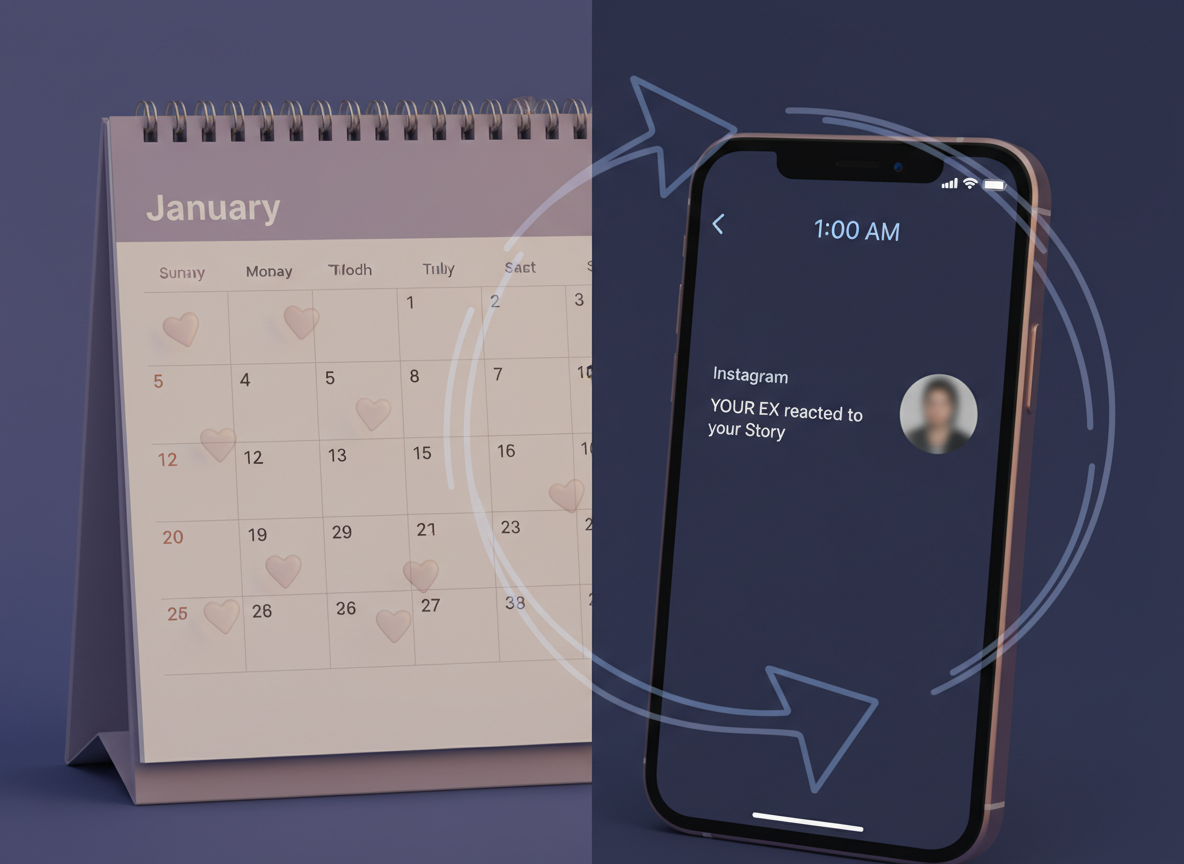
Ex behavior tends to be cyclical
Exes pop in and out. They’ll watch for a week, disappear for a month, then suddenly like a photo from three posts ago. If you’ve been there, you know how hard it is not to overthink that. I’ve messed this up myself, honestly. I used to read one late-night like as a whole emotional paragraph.
Common ex motives I’ve seen in the wild:
- Curiosity: “What are they up to?”
- Ego check: “Do I still matter?”
- Loneliness: The classic 1:12 a.m. Story reaction.
- Control: Keeping a thread attached without offering anything real.
And yeah, sometimes it’s genuine. But a lot of the time, it’s just… noise. Which is why you need a way to judge patterns, not moments.
The behavior decoder: what each action usually means (and when it means nothing)
This part is where people want a clean answer. I get it. But Instagram signals are messy because people are messy.
Story views
Usually means: You’re on their radar.
Could mean nothing when: You post a lot and they just tap through Stories like it’s TV.
Lived detail: I’ve seen “tap-through” viewers on accounts that post 15 to 30 Story frames daily. They’ll view everything but never reply. That’s not flirting. That’s boredom scrolling.
Story reactions (emoji reactions)
Usually means: Light interest or low-risk attention.
What matters: Repetition and whether it turns into words. An emoji is the easiest possible move.
Story replies (with text)
Usually means: They want a conversation, even if they’re pretending they don’t.
Watch for: Questions. If they ask anything that keeps you talking, that’s intent.
Likes on old posts
Usually means: Intentional browsing. People don’t “accidentally” like a photo from 14 weeks ago. (I mean, it happens, but come on.)
With an ex: Often a ping. A “remember me?” without saying it.
Comments
Crush: A public flag. Riskier. More meaningful.
Ex: If an ex starts commenting, that’s usually a stronger push than just viewing Stories.
DMs
Usually means: This is where things actually move forward. Private channels are where relationships start, restart, or spiral. Pick your fighter.
Also, marketing trend folks aren’t wrong about people preferring authentic, user-generated vibes over polished perfection. When someone DMs you about a real, normal clip, that’s often a better sign than them liking a “perfect” photo. (This lines up with the broader 2026 digital trends covered by Social Media Today’s 2026 trend roundup.)
The counterintuitive truth: less engagement can mean more interest
You’d think the person who likes everything is the most into you. But a lot of the time, the genuinely interested person is the careful one.
Why? Because liking and commenting publicly can feel like exposure. If they’re trying to keep it chill, they’ll avoid leaving too many fingerprints on your profile and instead show up in DMs, Story replies, and consistent “I saw that” messages.
Meanwhile, the heavy liker can be:
- naturally expressive
- chronically online
- treating likes like bookmarks
- or just being friendly
Not romantic. Just… active.
Step-by-step: how to read instagram crush behavior without spiraling
This isn’t about playing detective for fun. It’s about protecting your brain from making up stories that aren’t real.
- Pick a time window. Look at the last 7 to 14 days, not one night. Crush signals are about consistency.
- Track “private effort” more than “public noise.” Story replies, DMs, and questions matter more than random likes.
- Check for escalation. Are they getting closer over time, or repeating the same low-effort move forever?
- Notice how they respond when you give them an opening. If you reply warmly and they vanish, that’s data. If they keep talking, also share data.
- Separate “attention” from “availability.” Someone can watch everything and still not be emotionally available. I hate that this is true, but it is.
- Don’t ignore your body. If their behavior makes you anxious every time, that’s not a cute mystery. That’s a pattern you’ll live in.
Quick tangent: Reels being such a huge chunk of time spent means people can be “around you” without ever meaning to. They might watch your Reel because it was served to them, not because they searched for you. So if you’re basing everything on Reel views, you’re gonna drive yourself nuts.
Ex behavior that confuses people (because it’s designed to)
Some exes are straightforward. They DM, they say what they want, you deal with it. Respect.
Others do the half-steps that keep you mentally on a string.
“Orbiting” (watching everything but never speaking)
This is the classic ex move: they view your Stories nonstop, but never like, never reply, never say anything. It keeps them informed and keeps you guessing.
If you want the psychology of why exes unfollow or re-engage, this breakdown on common reasons an ex unfollows (and what it really means) is one of the more grounded ways to look at it without turning it into a soap opera.
The random like “just to remind you”
I’ve watched people do this like clockwork: silent for weeks, then a like appears on a post that’s not even your newest. It’s basically a poke.
The soft block shuffle
This one gets weird. They remove you as a follower, then follow again later. Or they keep you following them, but make their account private and don’t accept you back. It’s not always malicious, but it’s almost always emotional.
If you’ve ever wondered whether you got quietly removed, this explanation of Instagram soft blocking maps out what’s happening and why it feels so confusing.
Where people mess up (I’ve seen this a lot)
There are a few mistakes that keep showing up, no matter the age, account size, or relationship status.
- Assuming Story view order is a ranking of obsession. It’s not that clean. Instagram’s ordering changes, and it can reflect past interactions and recency, not secret love.
- Treating “seen” like a relationship milestone. A seen DM is not a commitment. It’s a receipt.
- Posting bait content you don’t even like. I’ve done it. It felt cringe. And it attracted the wrong kind of attention anyway.
- Thinking unfollows are always personal. Sometimes it’s a cleanse, sometimes it’s a new partner, sometimes it’s the algorithm making people tidy up their following list. This piece on why unfollows are rarely about you is a good mental reset when you’re spiraling.
One more lived-detail observation: on accounts with 10k+ followers, people get “notification fatigue,” so they might genuinely like you and still miss your posts. That’s why story replies are such a strong signal. You don’t reply by accident.
Failure modes: when reading signals completely breaks
Where this gets messy is when Instagram behavior is driven by factors that have nothing to do with attraction.
- Mutual friend drama. If they’re watching you because you popped up in a mutual’s Story, you’ll interpret it as interest, and it’s just proximity.
- Content-based engagement loops. If you post highly shareable Reels (gym, pets, memes), people come back for the content, not you. Painful, but true.
And if they’re using third-party automation (still happens), you can see bursts of likes or follows that look flirty but are basically spam. Not fun.
Limitations (what Instagram crush behavior can’t tell you)
This is the part most people skip because it’s less exciting, but it matters.

- Instagram behavior won’t tell you intent with certainty. A person can flirt for attention, flirt out of boredom, flirt because they’re lonely, or flirt because they actually like you.
- You can’t reliably see profile visits. If someone says, “I know you stalked me,” they’re guessing, using a sketchy app, or bluffing.
- Private accounts are a black box. If they’re private and you don’t follow each other, you’re missing half the context by default.
Your mileage varies, especially when someone posts once a month. Sparse activity makes every tiny signal look huge. (Been there. Not proud.)
How UnfollowGram Follower Tracker helps when crushes and exes start acting weird
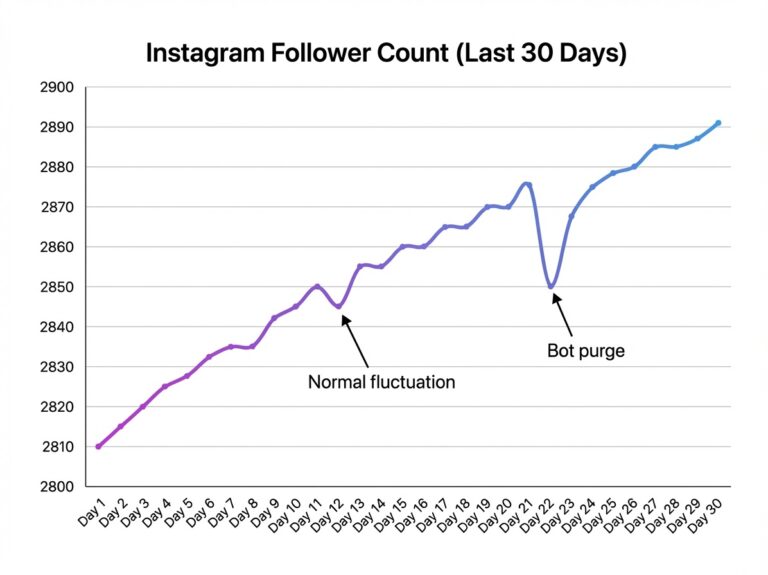
When people talk about “Instagram crush behavior,” they usually mean engagement. But in real life, the thing that makes people spiral is follow and unfollow behavior. That’s the sharpest signal, and also the one Instagram doesn’t make easy to review over time.
That’s why I like tools that focus on observable changes instead of pretending they can read minds. With a no-password Instagram unfollower tracker for public accounts, you’re not handing over your login (huge), and you’re not relying on vibes alone. You can check who unfollowed, who’s not following back, and what changed since the last time you looked.
One practical use case I see a lot: someone’s ex keeps orbiting, viewing Stories, then unfollows after you post with friends. Tracking that follow/unfollow pattern helps you stop rewriting history in your head. Just be aware of what it doesn’t do: it won’t tell you why they unfollowed, only that it happened.
If you’re specifically trying to understand new connections, the “recent follow” angle matters too. This is why I point people to tracking recent followers and new follows without obsessing when they’re stuck in that “did they just follow me to get my attention?” loop.
FAQ
How do you know if your crush likes you on Instagram?
Look for consistent private effort: repeated Story replies, DMs that keep a conversation going, and gradual escalation over 1 to 2 weeks rather than one random like.
What is the 5 3 1 rule on Instagram?
It’s a casual engagement guideline: like 5 posts, leave 3 thoughtful comments, and send 1 genuine DM to build a real connection instead of only tapping like.
How to tell if someone is flirting on Instagram?
Flirting usually shows up as playful Story replies, teasing comments, inside jokes, and messages that create an excuse to keep talking, not just one-off reactions.
Why does my ex watch all my Stories but never text?
That’s often “orbiting,” where they want awareness and emotional access without the vulnerability of an actual conversation.
Does liking my Stories mean they want to date me?
No, a like is low-effort; it’s more meaningful if it repeats consistently and turns into replies, questions, or DMs over time.
Conclusion
Instagram crush behavior is rarely one big obvious sign. It’s small actions that repeat: Story replies, DM momentum, and steady attention that grows instead of looping in place. Ex behavior can look similar, but it’s usually more cyclical and more likely to spike when they’re bored, lonely, or checking your status.
If you’re trying to stay sane, track patterns, not moments. And when follow/unfollow stuff starts messing with your head, using a simple tracker can keep you grounded in what actually changed instead of what you fear changed.
If that’s your situation, take a look at UnfollowGram.

Ethan is the founder of UnfollowGram with more than 12 years of experience in social media marketing. He focuses on understanding how Instagram really works, from follower behavior to engagement patterns, and shares those insights through UnfollowGram’s tools and articles.