Why People Unfollow Their Exes First After a Breakup
Last Updated on March 15, 2026 by Ethan
Most of the time, the answer to “why do exes unfollow first” is simple: it’s the fastest way to stop the emotional bleeding. One tap and they don’t have to see your face, your friends, your weekend, your “I’m totally fine” stories… all of it.
I’ve watched this play out on a ridiculous number of accounts over the years (mine included, unfortunately). When someone unfollows first after a breakup, it’s usually not a strategy or a message. It’s a coping mechanism that happens to look like a statement.
And yeah, it still stings sometimes. So, here’s the thing: let’s talk about why it happens, what it usually means, how Instagram works now (including the 2026 updates), and how you can check what’s going on without doing anything weird.
Why exes unfollow first, the reasons I keep seeing
1) They’re trying to get some quick emotional space.
Honestly, Instagram turns into a nonstop highlight reel of little breakup triggers. The “distance” isn’t poetic; it’s practical. If your posts and stories keep popping up, they stay emotionally activated, and the brain hates that. Unfollowing is the quickest way to reduce the number of reminders without needing a long conversation.
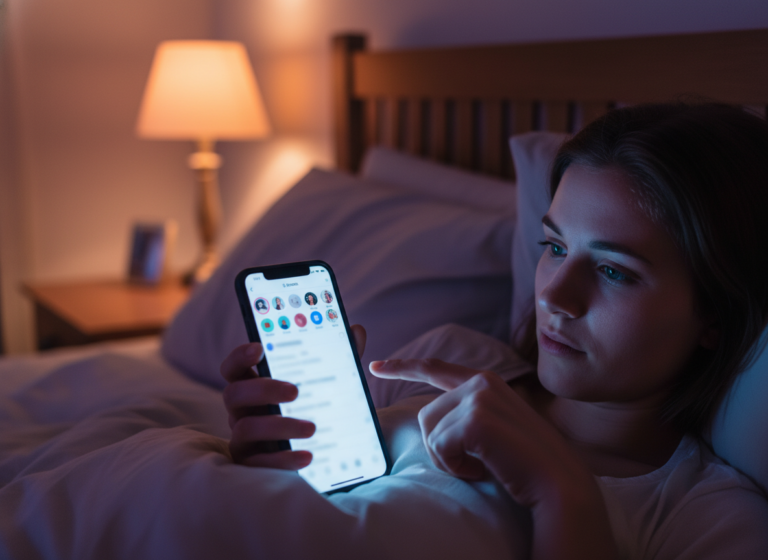
I’ve seen people hold it together all day, then unfollow at 1 a.m. after one random story view. Not kidding. That late-night doom scroll is a breakup’s worst friend.
2) They don’t trust themselves to stop checking your profile.
And look, this is the part nobody wants to say out loud, unfollowing is usually about self-control, not them trying to be mean. They probably know they’ll keep creeping on your profile, watching who likes your posts, and rereading your captions like there’s some hidden message in there. So they remove the temptation.
And yeah, I’ve done it. I’m not proud, but I’ve absolutely fallen into the “just one more check” loop.
3) They want to “win” the breakup (even if they won’t say that out loud)
Some unfollows are emotional self-protection. Others are optics. Unfollowing first can feel like taking power back, especially if the breakup bruised their ego.
It’s not always malicious, but it is performative sometimes. People know mutual notice. They know you might notice. That’s kind of the point.
4) They’re avoiding seeing you move on before they’re ready
You’d think the dumper would be totally fine seeing your posts. Actually, a lot of dumpers unfollow first because guilt hits them in waves, and your normal life makes them feel worse. Or they fear seeing you happy without them and feeling replaced. That reaction doesn’t always match the logic of who ended it. Humans are messy like that.
5) A new person is in the picture (or they want it to look that way)
This is a common one. Sometimes they’re dating, sometimes they’re just flirting, sometimes they’re trying to look “available.” Keeping an ex in their follows can feel like baggage to a new situation, even if you two aren’t talking.
Quick tangent: I’ve seen exes unfollow first, then quietly block a week later once they start posting someone new. The unfollow was the warm-up.
6) They’re cleaning up their feed, and you’re collateral
Not every unfollow is personal. After breakups, people often do a “life reset” and unfollow a bunch of accounts that carry emotional associations: your friends, your family, places you went together, even shared hobby pages. It’s usually not, “I hate you.” It’s more like, “I can’t deal with the reminders right now.”
How it works (what Instagram is doing in the background)
Instagram isn’t showing posts in a clean timeline anymore, and that matters. Even if your ex doesn’t search your name, the app will still surface you through story rings, suggested reels, “people you may know,” mutual activity, and old engagement signals.
So unfollowing is basically them reducing how often the algorithm can shove you back in their face. It doesn’t delete everything, but it cuts down the passive exposure.
Also, Instagram is built around micro-checks. A quick story view. A profile tap. A scroll past your new pic. Those tiny hits add up emotionally after a breakup, which is why the first unfollow often happens fast and a little impulsively.
The counterintuitive truth: unfollowing first doesn’t always mean they’re over you
Here’s what nobody tells you: the people who are most bothered are often the ones who unfollow the fastest. If they truly felt nothing, they’d usually leave you there and just stop interacting.
When someone has to remove you from their feed to function, that’s not “indifference.” It’s a regulation. It can mean they’re hurt, or annoyed, or tempted to look, or embarrassed, or, honestly, some messy mix of all of that.
But does that automatically mean they want you back? Not automatically. But it does mean the unfollow is more about their internal state than your worth.
How to tell if it’s personal or just a cleanup
You can’t mind-read, but you can look for patterns. And patterns are usually more honest than a single tap.
- They unfollowed you but kept your best friend: that’s usually emotional, not “clean slate.”
- They unfollowed you and your close circle: more likely a full reset.
- They unfollowed right after you posted something: reactive unfollow, often triggered by a specific post.
- They unfollowed weeks later with no recent contact: could be a new relationship, a random grief wave, or they finally got tired of lurking.
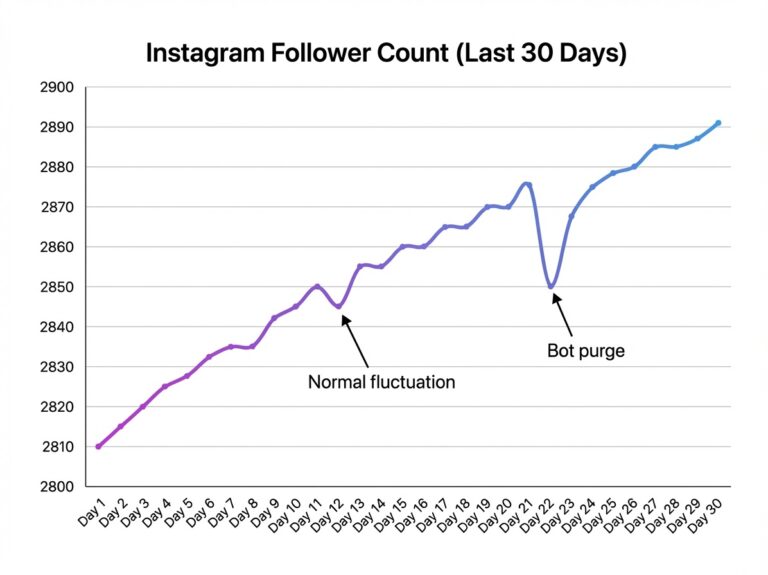
Lived-detail thing I’ve noticed: on smaller accounts (say under 1,000 followers), people catch unfollows almost instantly because the follower list feels “stable.” On bigger accounts, the same unfollow can go unnoticed for weeks because the background churn hides it.
Want to confirm an unfollow without doing anything risky? Do it the safe way in 2026
Instagram cracked down hard on third-party unfollow trackers in the last year or so, especially anything scraping follower lists or asking for logins. If an app wants your password, that’s your cue to back away. Fast.
The safest approach now is using Instagram’s built-in data tools, then comparing changes over time. If you’re managing a creator account (or you’re just the kind of person who needs clarity), this matters.
Option A: Use an Instagram-friendly tracker that doesn’t ask for your password
If the account is public and you just want quick clarity, I’ve had good results with tools that don’t require Instagram credentials. For example, you can see follower changes and spot who unfollowed (without handing over your Instagram password), which is basically the whole point when you’re already stressed.
One very specific thing I’ve noticed from testing: checks tend to be most “accurate-feeling” when you run them at roughly the same time each day. If you check randomly at 9 a.m., then 11 p.m., you’ll convince yourself the world is ending because the lists fluctuate and cache differently.
Option B: Export your Instagram data (slow, but clean)
This is the method I trust when someone’s paranoid about security (fair) or dealing with weird edge cases.
- Go to Settings in Instagram
- Open Accounts Center
- Choose Download your information
- Select Connections, then Followers and Following
- Export, then compare to a later export
If you want a deeper explanation of the “safe tracking in 2026” angle, this overview is solid: how to safely track Instagram unfollowers in 2026.
Common mistakes I see people make (and yeah, I’ve made them too)
- Treating one unfollow like a verdict. People deactivate, go private, or purge their following list all the time. One unfollow doesn’t equal “they hate you.”
- Spiraling into follow/unfollow games. Instagram doesn’t love high-churn behavior, and follow/unfollow tactics have been tested as a bad long-term move in social media growth circles, not just dating drama. This breakdown on churn behavior is worth a read: follow/unfollow strategy findings.
- Using shady trackers that require login. I’ve seen accounts get temporary action blocks from “helper apps” that were basically scraping too aggressively. Not fun.
- Obsessing over the number instead of the meaning. If you’re also trying to grow your account, engagement quality matters more than raw follower count, especially after a personal life event.
If you’re dealing with the emotional side of it, this cluster piece helps you respond without making it worse: how to handle being unfollowed gracefully without spiraling.
Failure modes: where unfollow “tracking” gets weird
This falls apart when Instagram is caching follower lists, or someone toggles privacy settings. I’ve seen the same account look like it lost a follower, then “regain” them later because the list refreshed differently. Annoying, but real.
Another one: if your ex blocks you, you might interpret it as an unfollow first, but blocking changes what you can see entirely. Same if they deactivate their account. That’s why I tell people not to build a whole story off one screenshot.
What to do after they unfollow (depending on what you want)
This is where “social media relationship management” stops being a fancy phrase and becomes your actual life. If you want to keep your peace, you need a plan that matches your goal.
- If you want closure: don’t chase via DMs. Decide what you need offline. (Yeah, I know that’s hard.)
- If you want reconciliation, don’t refollow immediately out of panic. Give it time so you’re not reinforcing a push-pull dynamic.
- If you want to move on: mute mutuals that keep posting them. Unfollowing your ex isn’t the only lever you’ve got.
- If you share a community: keep it calm and consistent. This is where understanding mutuals matters more than people think, and it’s why I like having a clear definition of what “mutuals” actually signal: what mutual followers mean in real life.
And if you’re second-guessing your own next move, read this before you hit follow again out of emotion.
Limitations (what this won’t tell you)
Unfollowing data won’t tell you why they did it, only that they did. You can guess based on timing and context, but you’re still guessing.
It also doesn’t cover silent behaviors like muting, restricting, or watching from a burner. And yes, that happens. More than people admit.
FAQ
What does it mean when your ex unfollows you?
Usually, it means they’re trying to reduce contact and emotional reminders, not necessarily that they hate you. It can also be a boundary, a reset, or a reaction to something they saw.
Why do exes unfollow first even if they ended the relationship?
Because ending it doesn’t instantly remove guilt, curiosity, or emotional triggers, unfollowing first is often a quick way to stop obsessing and avoid algorithm-driven reminders.
Is unfollowing the same as blocking?
No. Unfollowing just removes you from their feed; blocking cuts off visibility and access much more aggressively, including profile search and DMs in many cases.
Should I unfollow my ex back?
Only if it helps you heal or stop checking. If you’re doing it to “win,” you’ll probably feel worse later.
Can I accurately track who unfollowed me in 2026?
You can track changes, but accuracy can vary due to caching, deactivations, and privacy shifts. The safest method is Instagram’s data export, and the least risky “quick check” tools are the ones that don’t ask for your password.
Conclusion
When you’re stuck on “why do exes unfollow first,” try not to treat it like a final verdict on your relationship. Most of the time, it’s emotional triage: they’re trying to make their phone feel less like a minefield.
If you’re the type who needs clarity (same), use a safe approach to confirm what changed, then step back and decide what you actually want next. If you want a simple way to monitor follower changes without handing over your Instagram login, UnfollowGram is worth using: https://unfollowgram.com.