Why Your Ex Unfollowed You on Instagram
Last Updated on February 10, 2026 by Ethan
When you’re asking “why did my ex unfollow me on Instagram,” the honest answer is usually simple: they’re trying to control what (and who) they see so they can move on, feel less triggered, or stop overthinking.
And sometimes it’s not even that deep. They might just be cleaning up who they follow, trying not to have your posts pop up around a new partner, or doing one of those “fresh start” cleanouts people do when they’re trying to reset. Still hurts, though. I get it.
I’ve tracked unfollows for creators, clients, and my own accounts for years, and ex-unfollows are one of the most common patterns I see. Not because you “did something wrong,” but because Instagram makes it ridiculously easy to keep a wound open with one casual scroll.
TL;DR: Exes often unfollow on Instagram to gain control over their emotions and avoid triggers, not necessarily as a personal rejection. It’s usually more about them trying to have some self-control than it is about what you’re “worth.” But try to remember, an unfollow is often just a boundary. It’s their way of moving on, and it usually isn’t some big statement about your value.
Here’s the uncomfortable truth: an unfollow is usually a boundary, not some secret message.
People really want it to mean one specific thing, but most of the time it doesn’t. “He hates me.” “She’s over me.” “They’re trying to get my attention.” Sometimes, sure. But most of the time it’s just: I don’t want this content in my face right now.
Here’s what nobody tells you: the unfollow is often more about their self-control than your value. You’d think muting is enough. Actually, a lot of people can’t handle the temptation of checking your profile anyway, so they go nuclear and unfollow to remove the easy path.
And yeah, I’ve done the same thing after a breakup. Not proud of it, but I remember thinking, “If I see one more story of them laughing at brunch, I’m gonna spiral.” So I cut the feed off. Fast.
How Instagram unfollows actually work (and why it feels so personal)
Instagram is a “soft contact” machine. Even if you’re not talking, you’re still kind of in each other’s lives through stories, likes, suggested posts, and mutual friends’ tags.
When an ex unfollows, you lose that background connection. That’s why it stings and feels like rejection, even if, in reality, it was just a practical choice on their end.
So what actually changes for them when they unfollow?
Your posts usually stop showing up in their home feed, most of the time, anyway. Less temptation to check.
- Your stories disappear, which is huge because stories are where people “hate watch.”
- They reduce the chance of accidental engagement (liking an old photo at 2 a.m. happens more than people admit).
- They can still visit your profile if it’s public, so unfollowing isn’t the same as “you’re blocked.”
Why it hits harder than it should
Because it’s measurable. You can see the count change, you can notice the name missing, you can replay the timeline in your head. Instagram turns feelings into metrics, and metrics mess with your brain.
If you want the quick “does IG tell you?” answer, it doesn’t send a notification. If you want the longer version, I wrote it up here: does Instagram notify you when someone unfollows.
So… why did my ex unfollow me on Instagram? The real-world reasons I see most
I’m going to give you the reasons that show up in real tracking patterns, not the cheesy “they’re just jealous” stuff.
1) They’re trying to stop the emotional whiplash
This is the classic. They see you post, their mood shifts, they check your highlights, then they regret it. Rinse, repeat.
On accounts that post stories daily, I see ex-unfollows happen faster. Like within 48 hours. It’s not even about the content quality, it’s the frequency of reminders.
2) Your content changed, and it doesn’t match their new identity
Breakups split “the shared world” into two separate worlds. If your posts are now:
- more social
- more confident
- more “single life” coded
- or honestly just more you
…they might unfollow because it clashes with the story they’re telling themselves.
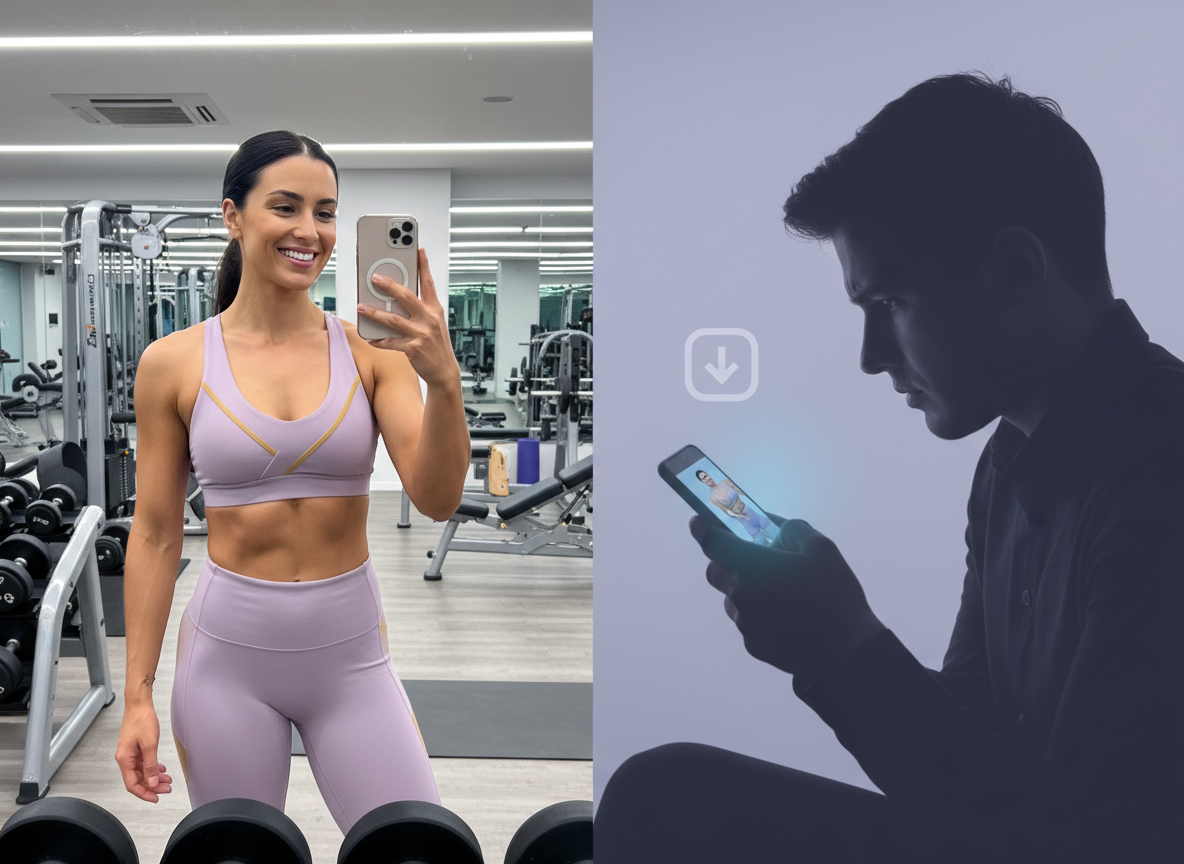
I’ve watched this happen with clients who suddenly started posting gym progress or nightlife stuff. The ex disappears from the follower list right after a couple posts. Not because the posts are “bad,” but because they’re a signal: things have moved on.
3) They’re dating someone new (or trying to)
This one is boring but real. New partner asks “why do you still follow your ex?” and your ex chooses the path of least resistance.
Sometimes it’s not even a fight. It’s just optics. They don’t want to explain your name sitting in their following list.
4) They want to feel in control of the breakup narrative
Unfollowing can be a “power move,” sure. But it’s usually less evil mastermind, more insecurity.
They might be thinking: “If I unfollow first, I’m the one choosing.” That can feel safer than waiting to get hurt again.
5) They’re cleaning their following list and you got swept up
This is the reason nobody wants, because it’s not romantic. But it happens.
A lot.
I’ve seen waves where someone drops 200 to 800 accounts in a day, and it’s obvious they’re doing a cleanup. If you were in the “emotional clutter” category, you’re gone. That’s it.
6) They muted you for weeks, then finally hit unfollow
This is a sneaky one. People will mute stories and posts, feel fine for a while, then one day they’re like, “Why am I still technically following?” and unfollow.
It’s not always a sudden emotional event. Sometimes it’s just delayed housekeeping.
7) They’re still checking you, and unfollowing is their attempt to stop
Counterintuitive, but I’ve seen it over and over: the people who can’t stop watching are the ones most likely to unfollow.
Because following feels like permission.
Unfollowing feels like a rule.
If you want a broader breakdown (not just breakup stuff), this companion piece nails the “it’s rarely about you” angle: why people unfollow on Instagram (and why it’s usually not personal).
Before you spiral: confirm it’s an unfollow (not a glitch, block, or deactivation)
I’ve watched people lose hours to this, so here’s the clean way to check.
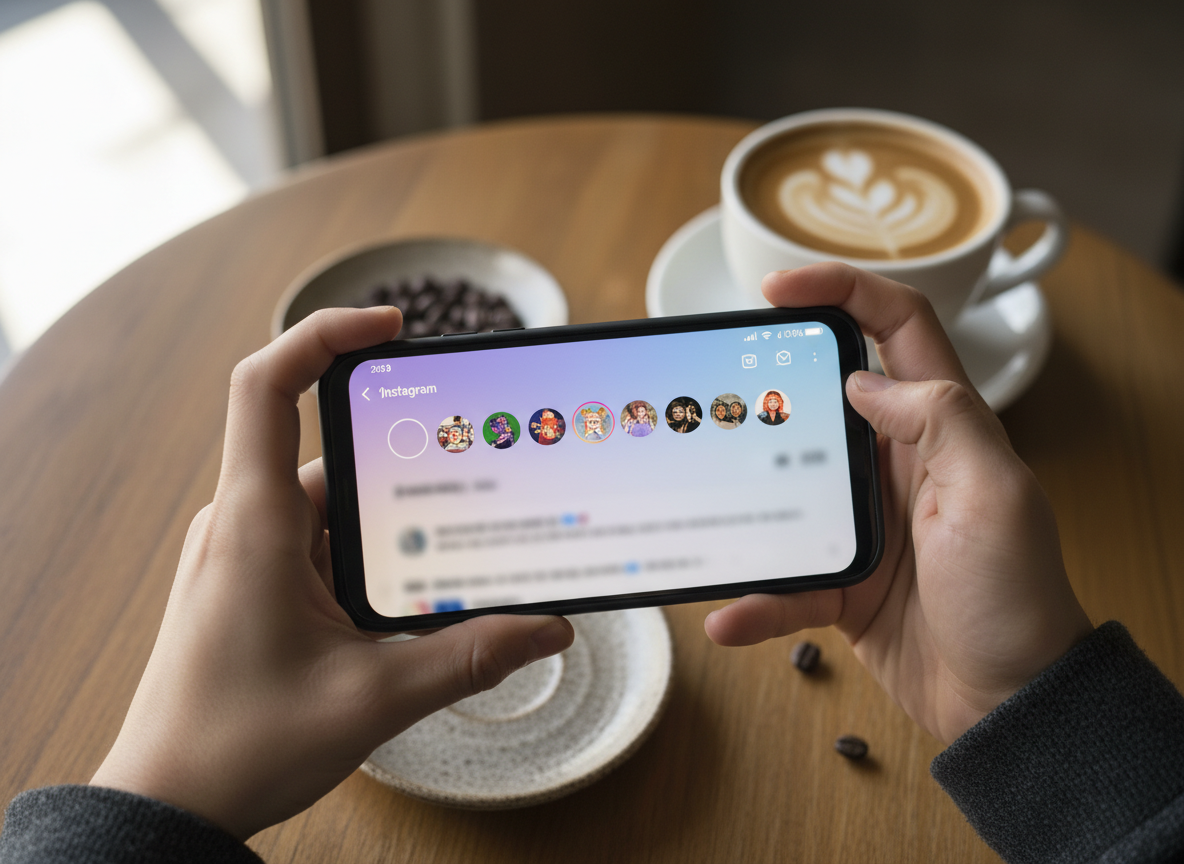
Quick manual check (no tools)
- Go to your profile.
- Tap Followers.
- Search their username.
- If they don’t show up, they unfollowed (or blocked you, or deactivated).
How to tell unfollow vs block
- If their profile is still visible (and you can see posts on a public account), it’s probably an unfollow.
- If you can’t find them at all and mutuals still can, that’s more like a block.
- If they vanish then reappear later, that’s often a temporary deactivation. I’ve seen this a weird amount during messy breakups.
Failure mode: this gets weird with private accounts and username changes
Where this falls apart is when they change their username right after the breakup or flip private, because your memory of the handle might be wrong and search won’t help much. Also, if you had them saved in DMs, that thread can look different depending on block/deactivate timing.
Annoying. Yep.
What you should do next (depending on what you want)
This part depends on your goal: closure, reconciliation, or just peace.
If you want peace
- Stop checking the follower list daily. I know, easier said than done. But it keeps the wound open.
- Mute mutuals who constantly repost them. That stuff sneaks into your head.
- Decide what “normal” looks like for you: maybe you keep them following, maybe you remove them, maybe you go private for a month.
If this whole thing is making your chest tight, you’re not being dramatic. It’s a real loop. This piece gets it: unfollow anxiety is real (and what helps).
If you want closure
Here’s the hard part: Instagram won’t give you closure. Asking “why did my ex unfollow me on Instagram” can be a trap because any answer can be twisted into ten more questions.
What you can do is look at timing. Was it right after you posted something? Right after you viewed their story? Right after you changed your bio? Those patterns matter more than the unfollow itself.
If you secretly want them back (no judgment)
I’ve been there. I used to post like a maniac after a breakup, pretending I was “thriving,” then I’d check who watched my story. Embarrassing. Also very human.
If you’re hoping the unfollow means “they’re thinking about you,” it might. But it might also mean they’re trying to stop thinking about you. Two totally different situations that look identical on the surface.
So don’t treat the unfollow as a signal to chase. Treat it as data about their boundaries.
If you want a deeper list of breakup-specific scenarios (including the petty ones, the protective ones, and the “new girlfriend made him do it” ones), I’d point you to this: a detailed guide to common ex unfollow reasons.
How to track the unfollow cleanly (without sketchy apps)
Instagram has tightened access to follow/unfollow data a lot since the API restrictions ramped up. Translation: tons of “follower tracker” apps either broke, got unreliable, or started asking for things they shouldn’t.
And if an app asks for your password? Don’t. I’ve seen accounts get locked for “suspicious activity” after people tried those, and it’s a pain to recover.
Option A: Manual checks (fine for one person)
If it’s just your ex, the manual search method is enough. Simple.
Option B: Download your data and compare lists (nerdy, but accurate)
You can export follower/following info through Instagram settings, then compare week to week. People use simple diff tools for this. It’s not fancy, but it’s reliable when you’re tracking patterns.
For a good overview of safe approaches in 2026, this walkthrough is solid: how to safely track Instagram unfollowers in 2026.
Option C: Use a safe tracker for public accounts
If you manage multiple accounts (or you’re the type who notices every small dip), automation helps. Just be picky about the tool.
I’ve used an Instagram unfollow checker for public accounts like UnfollowGram when the goal is quick clarity without handing over login credentials. You type the username, get fast results, and you’re not gambling with your account security.
Common mistakes I see people make after an ex unfollows
These are the ones that keep people stuck.
- Assuming it means they hate you. Most ex-unfollows I’ve seen are self-protection, not spite.
- Posting “for them.” The moment your content becomes a message, you lose your center. (Been there. It’s exhausting.)
- Changing everything after one unfollow. Don’t overhaul your online identity because one person opted out.
- Trying to decode it without checking timing. The timing tells you more than the act.
- Using shady tools that demand logins. That’s how people get locked out or compromised.
If you need a calmer “what now?” plan for your head and your account, this is the one I share with friends: how to handle being unfollowed without spiraling.
Limitations (what you can’t know from an unfollow)
Even if you track it perfectly, there are a few things you just won’t be able to confirm.
- This won’t tell you their motive. You can infer from timing and context, but you can’t see the “why” inside their head.
- You can’t always separate unfollow vs deactivation instantly. If they disappear and reappear, that’s not a clean signal.
- Public vs private changes everything. If your account is private, you’ll see different behavior patterns than creators with public accounts and high story volume.
Your mileage varies, honestly. I’ve tracked the same ex-unfollow scenario across different account sizes, and the emotional impact is consistent, but the visibility of the “signals” is not.
How UnfollowGram Follower Tracker helps when you’re stuck on the unfollow
Unfollow tools can make breakups worse if you use them like a slot machine. Refresh, refresh, refresh. I’ve watched people do that and it’s rough.

What I like about UnfollowGram Follower Tracker (and why I still recommend it for certain situations) is the no-password approach for public accounts. You’re not handing over your Instagram login, which is where most of the “follower tracker” drama starts. And yes, I’ve seen plenty of drama.
It’s also practical when you want clarity without turning it into a whole investigation: see who unfollowed, spot non-followers, notice new followers, then move on with your day. The honest downside is that it won’t magically explain why your ex did it, and it can’t pull private-account data. But for a quick, safe confirmation? It does the job.
FAQ
Why did my ex suddenly unfollow me?
Usually it’s a boundary move triggered by timing: a new relationship, a tough emotional day, or seeing a post/story that made them feel something they don’t want to feel.
What does it mean when your ex stops following you on Instagram?
It typically means they’re reducing access to your updates so they can move on or avoid spiraling, not necessarily that they’re angry or trying to “send a message.”
Why would he unfollow me on Instagram?
Common reasons are: he’s dating someone new, he’s trying to stop checking your profile, or your content is making him feel worse and unfollowing is the quickest fix.
Did my ex unfollow me or block me?
If you can still find and view their profile (especially if it’s public), it’s likely an unfollow; if they’re unsearchable to you but visible to others, it’s more like a block.
Should I unfollow my ex back?
If seeing them slows your healing, yes, unfollowing back is a clean boundary; if it doesn’t affect you and you share friends/work, you don’t have to react immediately.
Can Instagram show me exactly when they unfollowed?
No, Instagram doesn’t provide an official timestamp for unfollows, so you can only narrow it down by checking regularly or comparing follower lists over time.
Conclusion
If you’re stuck on “why did my ex unfollow me on Instagram,” treat it like a boundary data point, not a verdict on your worth. Timing, content shifts, and new relationships explain most of these unfollows way better than any dramatic theory.
Confirm what happened, avoid sketchy login-based apps, and decide what supports your peace next. If you do want a fast, safe way to check unfollows on public accounts without giving up your password, UnfollowGram is built for exactly that.

Ethan is the founder of UnfollowGram with more than 12 years of experience in social media marketing. He focuses on understanding how Instagram really works, from follower behavior to engagement patterns, and shares those insights through UnfollowGram’s tools and articles.