Follower Quality Score Explained
Last Updated on January 25, 2026 by Ethan
Instagram follower quality is basically a measure of how “real” and relevant your audience is, and whether they actually do anything: watch, save, reply, DM, click, buy. A “Follower Quality Score” is just a way to roll those signals into one sanity check so you can stop obsessing over follower count and start looking at what’s driving reach.
I’ve run follower audits for years (on creator accounts, brand accounts, and a few “what not to do” accounts… yeah, I learned the hard way), and the pattern is always the same: high-quality followers give you momentum, low-quality followers quietly choke your distribution. Not instantly. Slowly. That’s why people miss it.
So here’s the plain-English breakdown of what a follower quality score means, what it’s made of, how to estimate it without fancy tools, and what actually moves it in 2026.
What “Follower Quality Score” actually means (and why it matters)
A follower quality score isn’t an official Instagram metric. It’s a practical, composite snapshot that answers one question: “If I post today, will my followers respond like humans who care?”
Instagram is doing more real-time auditing now, and that’s not conspiracy talk. The platform has been pushing harder against spam and fake accounts at scale, with estimates in the hundreds of millions of suspect accounts being targeted. When your audience is full of dead weight, your early engagement is weaker, and your posts get fewer “second wave” impressions outside your followers.
Here’s the part people hate hearing: you can have 50,000 followers and still have weak distribution if the wrong 20,000 are inactive or fake. It looks fine on the profile. It performs like a tire with a slow leak.
The components of instagram follower quality
When I calculate a follower quality score for clients, I’m really looking at seven buckets. Not because seven is magic. Because those are the buckets that keep showing up in the data.
- Authenticity rate: how many followers look like real accounts (not bots, not mass-created, not weird “crypto promo” shells).
- Activity rate: how many followers are currently active (not “followed you in 2022 and vanished”).
- Relevance: do they match your niche and language, or is it random global noise?
- Engagement depth: saves, shares, replies, profile taps, DMs, watch time, not just likes.
- Consistency: do the same people come back week after week, or is it always new faces because your base isn’t actually seeing you?
- Follower-to-following patterns: lots of accounts following 7,500 people with 12 followers is usually not a good sign.
- Churn: how many unfollows you get after you post (that “post = unfollow spike” is a quality smell).
How it works under the hood (the mechanism most people skip)
Instagram doesn’t “grade” your followers in a nice dashboard. It watches what happens when you publish.
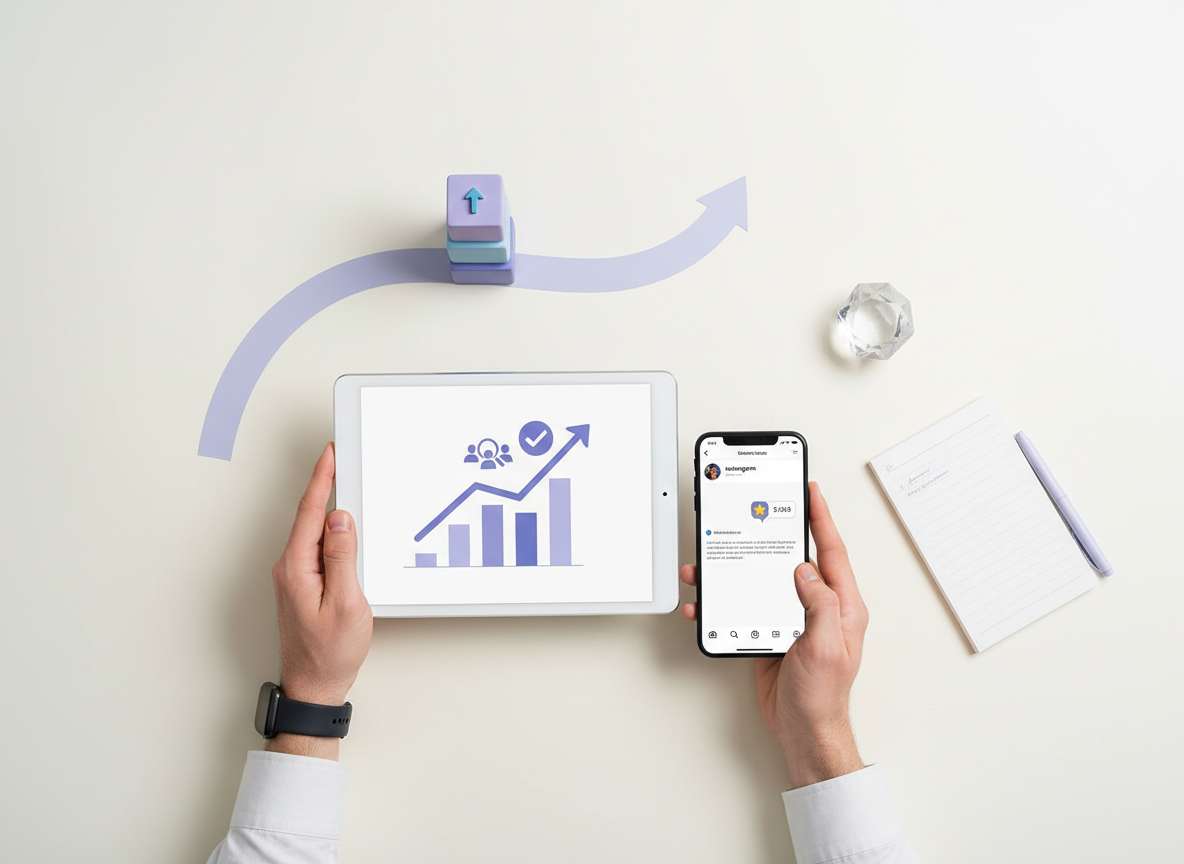
In practice, your content gets tested on a slice of your audience first. If that slice does human stuff fast (watches, replays, saves, replies, shares, DMs), the post tends to get pushed wider. If that slice is stacked with inactive followers and bot accounts, you get a soft fail: lower early velocity, weaker completion rates, fewer shares, and the post stalls.
And in 2026, the quality signals are less about likes and more about intent. Saves and shares. Story replies. DM conversations. Watch time. That shift isn’t subtle anymore. Buffer’s breakdown of how the Instagram algorithm behaves has been pretty aligned with what I see day-to-day in client reporting, especially around “meaningful interactions” and retention signals (Instagram algorithm explainers).
One lived-detail thing I keep seeing: if you check a creator’s Reels, the “good” accounts often have a smaller follower base but noticeably stronger completion and rewatch behavior. On bigger accounts, it’s common to see a Reel get tons of initial views but weaker finishes, because the audience is broad and half of them didn’t follow for that content style.
What the numbers actually show in 2026 (benchmarks that won’t lie to you)
Benchmarks aren’t rules. But they keep you from gaslighting yourself.
- Inauthentic and inactive followers: I’ve watched bot and inactive rates trend down to roughly the mid-teens on many accounts in 2026, but big brand accounts still get hammered because they’re constant targets. That “14.1%” range for bot and inactive clustering matches what I’m seeing when we do regular cleanups.
- Engagement rates by size: nano-influencers often pull 5%+ engagement rates, while macro accounts typically lag behind. If you’ve ever managed a big page, this won’t surprise you. Bigger audience equals more “passive follows.”
- Reels growth effect: creators who consistently publish Reels tend to grow way faster. I’ve personally seen accounts that were flat for months start moving again once Reels became the “spine” of their week.
- Inactivity is the silent killer: inconsistent posting leads to a big chunk of followers going inactive over time. I’ve seen it happen even on decent accounts that just “took a break.” It’s rarely one break, though. It’s 4 breaks in a year.
If you want some broader context on platform-level follower stats and trends, this roundup is decent as a quick reference (Instagram follower statistics). I don’t treat these pages as gospel, but they help when you’re trying to sanity-check what you’re seeing.
A simple Follower Quality Score you can estimate (no fancy tools required)
Okay, here’s the “coffee napkin” method I use when someone sends me an account and asks, “Is my audience cooked?”
Step-by-step quick audit
-
Pull your last 12 posts and split them by format. Reels, carousels, single images, Stories (if you track them). You’re not hunting for the best post. You’re hunting for consistency.
-
Calculate engagement depth, not just likes. Note saves, shares, comments, and Reel watch behavior. If you need a clean method, use this walkthrough once and save it: how to track your Instagram engagement rate.
-
Spot-check 50 followers. Pick 25 recent followers and 25 random older followers. Look for: profile photo, posts, normal bio, realistic follower/following ratio, and signs of a real person (Story highlights, tagged photos, normal comments).
-
Check “who’s interacting” quality. Open your last few posts and tap into commenters and frequent likers. If your “top engagers” look spammy, that’s a red flag even if the rest of the audience is fine.
-
Measure churn. Watch unfollows after posting. This is the piece most people ignore because it’s annoying to track manually.
-
Look for audience mismatch. If your content is in English but your follower base is suddenly 40% from unrelated regions (with no business reason), your quality score is likely diluted.
My “good enough” scoring rubric
I keep it simple:
- High follower quality: low churn, consistent saves/shares, comments that sound like humans, and your Reels don’t die at 2 seconds.
- Medium: decent likes, weaker saves, audience feels broad, some botty followers but not overwhelming.
- Low: engagement is randomly spiky, lots of generic comments, followers look empty, and you get weird unfollow spikes after normal posts.
One more lived-detail observation: on accounts under ~5k followers, a single batch of low-quality followers can distort everything fast. You’ll see it as “my reach suddenly dropped for no reason.” On bigger accounts, it’s more like steering a slow boat. The damage is slower, but it’s still damage.
How I check follower quality quickly with tools (and what I actually trust)
I use a mix: native insights, manual checks, and third-party tools depending on the account size and what we’re trying to answer.
If you just want to track follower changes without handing over your Instagram password (please don’t hand it over), I’ve had good experiences using UnfollowGram Follower Tracker to keep an eye on who unfollowed, who doesn’t follow back, and how your lists shift over time. Simple. No drama.
And if you’re deciding between what Instagram gives you versus external tools, this breakdown is genuinely useful: Instagram Insights vs third-party tools.
One thing I’ll admit: I used to obsess over “audit scores” from influencer platforms. I’m not proud of that era. The scores can be directionally helpful, but I’ve seen accounts with “meh” scores sell out products because their followers actually trust them. So now I care more about behavior than labels.
How to get quality followers on Instagram (what actually moves the needle)
You can’t “hack” instagram follower quality long-term. You can only earn it, attract it, and keep it active.
1) Post for retention first, discovery second
Counterintuitive insight: you’d think viral reach is the goal, but retention is what stabilizes your follower quality score. Viral posts can bring in a wave of low-intent followers who never engage again. Retention content brings in fewer followers, but better ones.
So I aim for a mix: Reels for discovery, carousels for saves, Stories for relationship, and occasional “identity posts” that remind people why they followed.
2) Lean into Reels, but stop copying everyone
Creators focusing on Reels often grow significantly faster. I’ve seen this pattern repeatedly, especially when the Reels are tight, phone-shot, and “native” to the platform. Polished studio stuff can work, but it often performs like an ad, even when it isn’t.
Raw content wins a lot right now because it feels responsive. And it’s faster to produce, which matters if you’re trying to stay consistent.
3) Build DMs like you mean it
DM interactions are up across the platform, and honestly… yeah. This is where real relationships form. If someone replies to a Story and you respond like a person (not a corporate auto-reply), they become a high-quality follower fast.
Gen Z also engages heavier with Stories, which matches what I see on youth-focused accounts: Story replies and poll taps are often the “warmest” signals you can get. Trend reports have been pointing in this direction too (social media trends for 2026).
4) Stop over-relying on hashtags (they’re not dead, just weaker)
Hashtags still help with context sometimes, but their power got reduced hard after Instagram removed hashtag following back in late 2024. A lot of older growth advice didn’t update, so people are out here posting 30 hashtags like it’s 2021. Not great.
Social search matters more now: captions, on-screen text, and your niche keywords. If you want quality followers, you want the right people finding you for the right reasons.
5) Nail timing, but don’t worship it
Posting time can help you catch your audience when they’re active, which boosts early velocity. But if your content isn’t resonating, timing won’t save it. Think of timing as a multiplier, not a miracle.
If you want to tighten this up, use this once and set a baseline: best times to post based on followers.
How to tell if someone has fake Instagram followers (fast tells that don’t require paranoia)
You don’t need to play detective for hours. You just need a few reliable tells.
- Engagement doesn’t match the audience: 80k followers with 12 comments and 300 likes consistently is suspicious (unless it’s a weird niche where people lurk hard).
- Comment quality is generic: “Nice pic” from accounts with no posts. Over and over. Ugh.
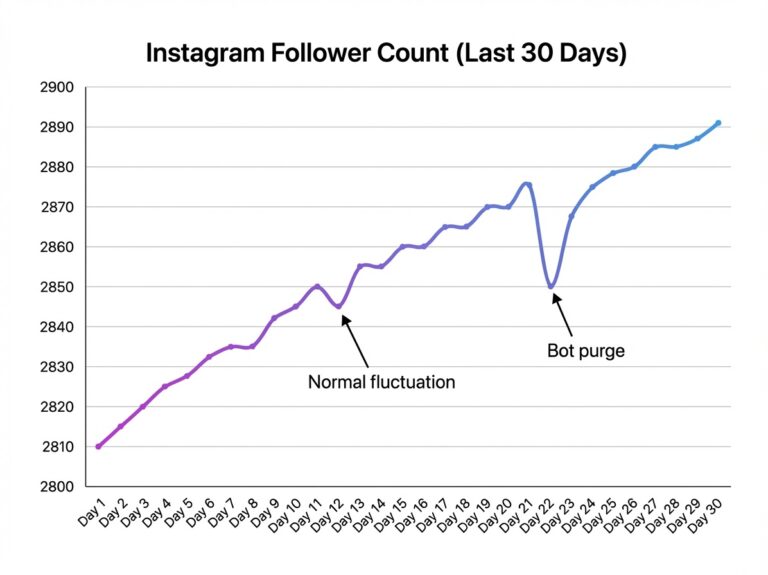
- Follower patterns look manufactured: sudden jumps in followers, then flatline, then another jump.
- Audience geography makes no sense: local business, but the followers are scattered randomly with no customer logic.
- Story views are oddly low: this one’s not perfect, but when Story views are extremely low compared to follower count, it often lines up with inactive followers.
One more: look at who they follow. If an account follows 7,500 people, posts twice, and has a bio full of promo links, that’s rarely a quality follower. That’s a “farm” account or a scrape account.
Common mistakes that wreck follower quality (I see these constantly)
- Buying followers. This still happens, and yes, it still backfires. Platform audits expose fakes and your reach gets weird and inconsistent.
- Chasing likes instead of depth. Saves, shares, DMs, and watch time are the real gold now.
- Inconsistent posting. I’ve watched accounts lose momentum simply because they post once, disappear, then come back asking why engagement dropped. I’ve been that person too. It happens.
- Only collaborating with mega accounts. Nano and micro creators often drive better trust and better-quality followers, even if the follower bump is smaller.
- Ignoring unfollow patterns. If specific content types cause unfollow spikes, your follower quality score is telling you something. Listen.
Failure modes: where follower quality scoring breaks (and gets weird)
This is where a lot of “audit tools” oversimplify.
-
It falls apart during rapid viral growth. When a Reel pops off, you can get a temporary flood of low-intent followers. Your quality score dips, but it doesn’t mean your account is doomed. It means you need retention content to “convert” the new audience.
-
It gets distorted in lurker-heavy niches. Some niches get tons of silent consumption: fitness, recipes, certain aesthetics. Low comments doesn’t always mean low quality. Watch saves, shares, and Story interactions instead.
Limitations (what a “Follower Quality Score” won’t tell you)
- This won’t tell you purchase intent. You can have high-quality engagement and still have an audience that doesn’t buy. Different problem.
- It doesn’t work well on private accounts you can’t audit. If you can’t see followers and content signals, you’re guessing.
- Your mileage varies by niche and format mix. A meme page and a B2B consultant should not use the same “good” benchmarks.
Also, real talk: no tool can perfectly label every follower as real or fake. Some real people look fake. Some fake accounts look real. That’s why you combine signals instead of trusting one number.
Put it into a simple weekly routine (the part that actually keeps quality high)
If you want an easy rhythm, this is what I do with most accounts:
- Weekly: check engagement depth on the last 6 to 10 posts, and look for a format that’s underperforming.
- Weekly: scan new followers quickly (just a handful) to catch obvious bot waves early.
- Monthly: review churn trends and identify what content correlates with unfollows.
- Monthly: tighten your content positioning so you attract the right people, not “everyone.”
If you want the bigger picture version of tracking and interpreting follower changes, this is the one I send people to: Instagram follower analytics complete guide.
FAQ
How to check the quality of Instagram followers?
Spot-check followers for authenticity, then compare follower count to engagement depth (saves, shares, replies, watch time). If engagement is consistently shallow and many followers look inactive or spammy, follower quality is likely low.
How to get quality followers on Instagram?
Post consistently (Reels + retention content), optimize for saves/shares and DMs, and collaborate with niche creators. Quality followers come from relevance and repeated value, not follower tricks.
How to tell if someone has fake Instagram followers?
Look for mismatched engagement, generic comments, strange follower spikes, and followers that look empty or mass-following. A suspicious audience usually shows up across multiple signals, not just one.
Is a high engagement rate always proof of high follower quality?
No. Engagement can be inflated by engagement pods or spammy comments. Check comment quality, Story replies, and whether the same real people show up over time.
Conclusion (keep it simple)
A follower quality score is just a practical way to stop chasing vanity metrics and start tracking what Instagram actually rewards: real humans doing real-human actions. If you focus on retention, relevance, and consistent relationship-building, your instagram follower quality tends to climb naturally.
If you want an easy way to track follower changes and keep tabs on unfollows without handing over your password, UnfollowGram is a solid option. You can find it at unfollowgram.com.

Ethan is the founder of UnfollowGram with more than 12 years of experience in social media marketing. He focuses on understanding how Instagram really works, from follower behavior to engagement patterns, and shares those insights through UnfollowGram’s tools and articles.