Instagram Follower-to-Following Ratio: Numbers Explained
You know how some profiles just look… off? Like something’s wrong, but you can’t quite put your finger on it?
Usually, it’s the ratio.
That little relationship between how many people follow you versus how many you follow back tells a story. Sometimes a good one. Sometimes not so much. And whether you realize it or not, people judge accounts by this metric constantly. Brands do it. Potential followers do it. That person you just followed? They probably glanced at your ratio before deciding whether to follow back.
What the Ratio Actually Is
Simple math. Followers are divided by following.
If you have 1,000 followers and you follow 500 people, your ratio is 2:1. For every person you follow, two people follow you. Not bad.
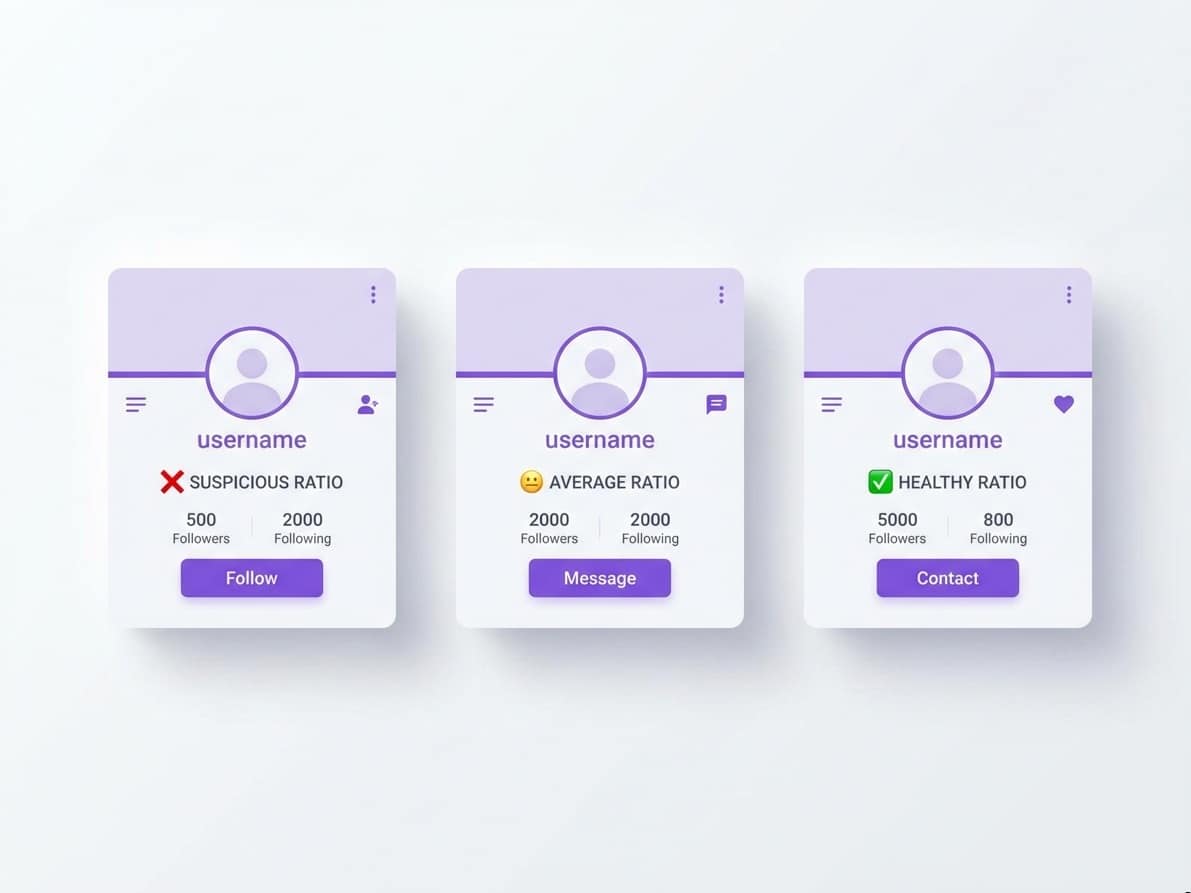
Now flip it. 500 followers, but you’re following 2,000 accounts? That’s a 1:4 ratio. Ouch. That screams “I follow everyone hoping they follow back,” whether it’s true or not.
The thing is, there’s no single “correct” ratio. What looks suspicious for a personal account might be totally normal for a business. Context matters a lot here.
What Different Ratios Signal
Let me break down what people assume when they see certain numbers. Fair warning: these are generalizations. Plenty of exceptions exist. But perception matters on social media, even when it’s not accurate.
Following Way More Than Followers (1:2 or worse)
This is the ratio that gets side-eye. When someone follows 3,000 accounts but only 400 people follow them back, the assumption is desperation. Or bots. Or someone who follows random accounts hoping for reciprocation.
Might not be true at all. Maybe you genuinely love following lots of accounts for inspiration. Maybe you’re new to the platform. Doesn’t matter. The perception sticks.
I had a friend who worked in fashion and followed hundreds of designers, brands, stylists, and photographers because she genuinely wanted to see their content. Her ratio looked terrible. She didn’t care because Instagram was research for her, not a popularity contest. Fair enough. But she also wondered why brands never responded to her DMs about collaborations. The ratio was part of it.
Roughly Equal (1:1)
Following and followers are about the same. Nothing special, nothing suspicious. This is where most regular users naturally land after a couple years on the platform.
You follow friends, they follow back. You follow some celebrities and brands who don’t follow back. It evens out. Normal.
More Followers Than Following (2:1 to 5:1)
Now we’re getting into “this person creates content people want” territory. You’re selective about who you follow, but people seek you out anyway. Influencer territory starts here.
Brands love this ratio. It suggests authority. Selectivity. That your content pulls people in rather than you chasing followers.
Massive Gap (10:1 or higher)
Celebrity zone. Following almost nobody, but millions follow you. Makes sense for actual famous people. Looks weird if you’re a regular account with 5,000 followers but only following 12 accounts.
At that point, you seem either super arrogant or like you bought followers. Neither is a great look unless you’re genuinely creating viral content that justifies the imbalance.
Why This Actually Matters
Beyond perception, your ratio affects real things.
Brand deals. Companies checking your profile before partnerships absolutely look at this. A bad ratio suggests fake engagement or low actual influence. They’ve been burned before by accounts with inflated numbers.
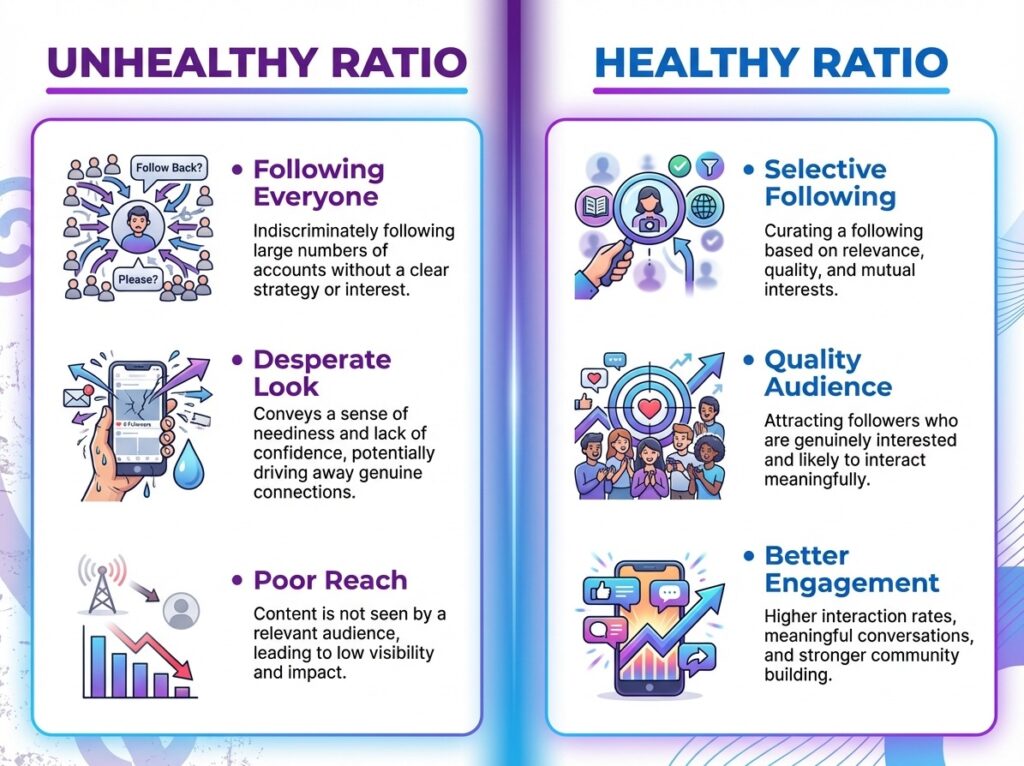
Organic growth. New visitors deciding whether to follow often use ratio as a quick quality check. Following 5,000 accounts makes you look like you’ll follow anyone. Why should they bother engaging with your content?
Algorithm signals. This one’s debated, but there’s evidence that Instagram considers account quality when distributing content. Accounts that look spammy get less reach. A terrible ratio is a spam signal.
Your own feed. Following thousands of accounts means your feed is chaos. You miss posts from people you actually care about. Your Instagram experience gets worse.
How to Improve Your Ratio (The Right Way)
Let me be clear: gaming the system usually backfires. Follow-unfollow schemes, buying followers, mass unfollowing everyone at once, all of that causes more problems than it solves.
But if your ratio genuinely bothers you, here’s how to fix it without being shady.
Audit Who You Follow
Go through your following list. Actually, look at the accounts. Ask yourself: do I ever actually see or engage with this content? If the answer is no for dozens of accounts, why are you following them?
Tools like UnfollowGram help here. You can quickly see who doesn’t follow you back and decide if those accounts add value to your feed. Some will. Some won’t. Unfollow the ones that don’t.
Be Selective Going Forward
Stop following every account that looks mildly interesting. Seriously. Before hitting follow, ask: Will I actually want to see this content regularly? If not, don’t follow. Save it instead. Or just move on.
This single habit change improved my feed quality more than anything else. My ratio improved as a side effect because I stopped inflating my following count with accounts I’d never engage with.
Focus on Content Over Numbers
Hot take: obsessing over ratio is kind of missing the point. The accounts with great ratios usually got there by creating content people wanted to follow. They didn’t manipulate numbers. They just made good stuff consistently.
If your content genuinely resonates, followers come. If it doesn’t, no amount of ratio optimization helps.
Quality beats quantity every time.
When Ratio Doesn’t Matter
Some situations where you should ignore all this advice:
Private personal accounts. Following all your friends and family, even if they don’t follow back? Normal. Who cares about ratio on an account meant for 47 people you actually know?
Research accounts. Journalists, researchers, competitive analysts, and people who use Instagram primarily to monitor others rather than build an audience. Your ratio will look bad. That’s fine.
Brand new accounts. Everyone starts somewhere. A two-week-old account following 200 people with 30 followers isn’t suspicious. It’s just new. Give it time.
You genuinely don’t care. Instagram isn’t everyone’s business or passion. If you just want to scroll, follow whoever, never post, and not worry about any of this? That’s valid. Close this article and enjoy your scrolling.
The Honest Truth
I’ve managed accounts where we obsessed over ratios. Cleaned up the following lists constantly. Analyzed every number weekly.
And I’ve managed accounts where we ignored the ratio entirely and just focused on making content people liked.
The second approach worked better every single time. Funny how that works.
Ratio is a symptom, not a cause. Fix the underlying stuff, make content worth following, clean up accounts that don’t serve you, and the ratio takes care of itself.
See Who’s Not Following You Back Try UnfollowGram Follower Tracker Free
Clean up your following list without the guesswork.
Frequently Asked Questions
What is a good follower-to-following ratio on Instagram?
Generally, having more followers than following (2:1 or higher) is considered healthy. But context matters. Regular users often have roughly 1:1 ratios and that’s perfectly fine. What looks bad is following way more people than follow you, like a 1:3 or 1:4 ratio.
Does follower ratio affect the Instagram algorithm?
Instagram hasn’t confirmed this directly. But accounts that look spammy tend to get less reach, and a terrible ratio is one spam signal among many. Focus on authentic engagement rather than gaming numbers.
Should I unfollow people to improve my ratio?
Only unfollow accounts you genuinely don’t want in your feed. Unfollowing just to improve numbers is gaming the system and usually backfires. If you’re following accounts that add no value, yes, clean them up. But do it for feed quality, not vanity metrics.
Why do some big accounts follow almost nobody?
Celebrities and major influencers get so many followers organically that they don’t need to follow back. Their content pulls millions. For them, following almost nobody isn’t arrogance; it’s just the natural result of massive fame.

Ethan is the founder of UnfollowGram with more than 12 years of experience in social media marketing. He focuses on understanding how Instagram really works, from follower behavior to engagement patterns, and shares those insights through UnfollowGram’s tools and articles.