Can You See Who Someone Recently Followed
Last Updated on February 15, 2026 by Ethan
You can’t reliably see who someone recently followed on Instagram. Instagram doesn’t show a public “recent follows” list for other people anymore (and for many accounts, it never truly did in a usable way).
If a website or app claims it can show you “exactly who they just followed,” be skeptical. I’ve tested a bunch of these over the years, and the ones that look the most confident are usually the least real.
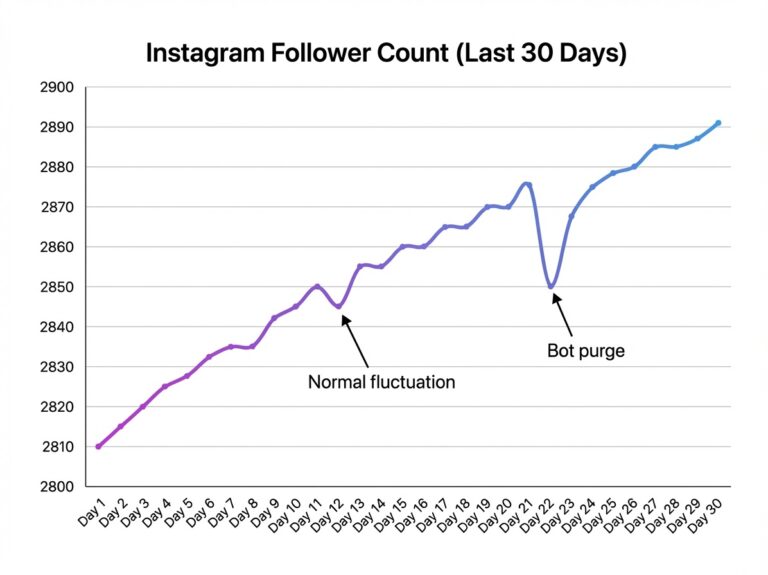
What you can do is infer patterns from public info (follower count swings, who they interact with, mutuals, tagged posts) and accurately track your own follower changes, which is what legit trackers focus on.
TL;DR: You can’t see who someone recently followed on Instagram, as the platform doesn’t provide a public “recent follows” list. Look, if an app or random website says it can show you this, it’s probably not trustworthy, or it’s being a little shady about what it’s actually showing. But if you’re trying to get a feel for who they’re watching, you’ll usually get more clues from public stuff, like who they like, comment on, tag, and which mutuals keep popping up.
Why you can’t see someone’s recent follows (the real reason)
Instagram keeps “who you followed recently” private because it’s a personal activity trail. If it were public, it would turn into instant stalking fuel, and Instagram has been shutting down that kind of visibility for years.
Here’s the mechanism behind it: Instagram exposes only limited relationship data publicly (like total counts and visible lists if the account is public), but it does not provide a clean, official way to pull a time-ordered “most recent following” list for someone else. And without that, any tool that claims it can do it is either guessing, scraping in a risky way, or straight-up making it up.
You’d think the “Following” list would naturally be sorted by newest first, right? Actually, on many accounts, it’s not consistently sorted that way, and it can look different across devices, sessions, and A/B tests. And that’s the part that tends to trick people.
How it works, and what Instagram actually shows.
If you’re trying to figure out who someone just followed, you’re probably sitting there refreshing their Following list and hoping it’s in order.
What you can see on a public account
- Their Following list (names and profiles) if the account is public.
- Mutual connections (especially obvious when you open profiles and see “Followed by…”).
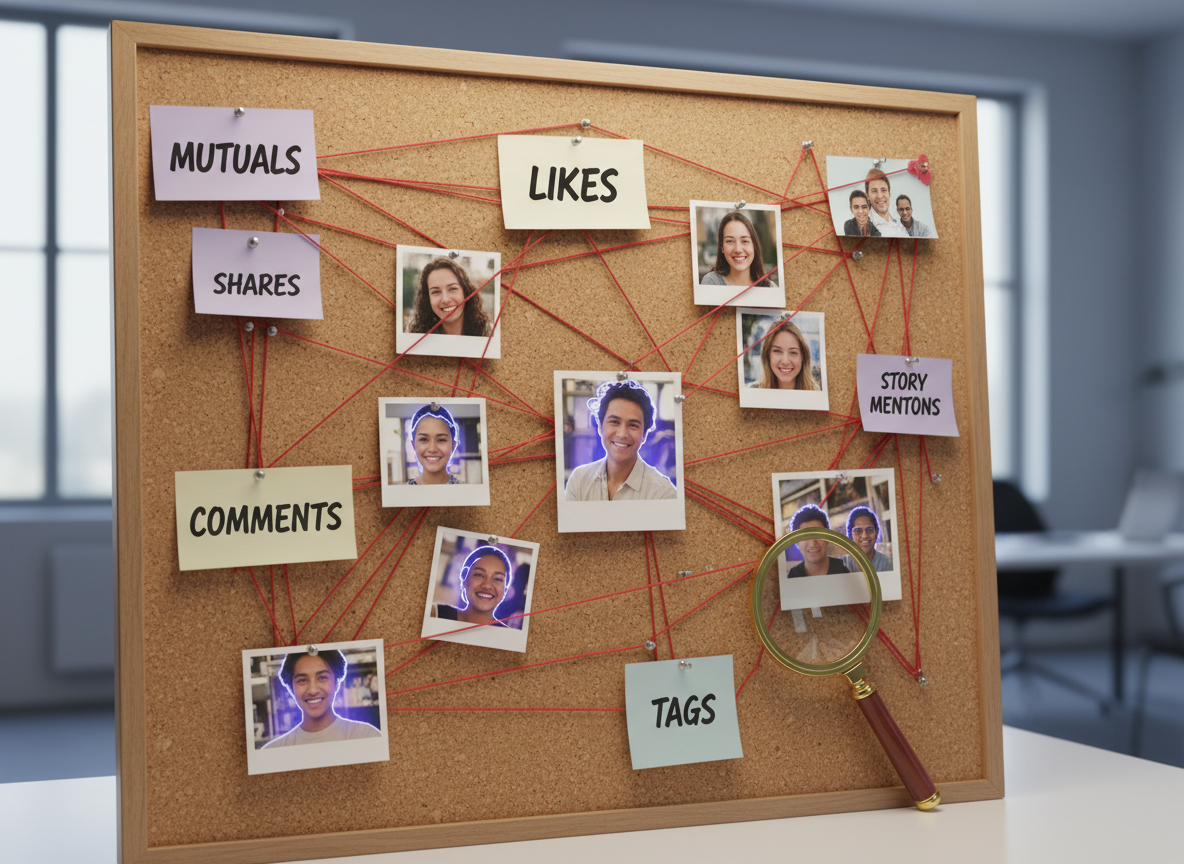
- Public interactions: likes, comments, tags, story mentions, collabs. This is often a better “who are they paying attention to” signal than follows anyway.
What you can’t see (even if the account is public)
- A verified “recently followed” timestamp for each follow.
- A guaranteed newest-to-oldest order that stays consistent.
- Any reliable “who they followed today” feed.
And if the account is private? Forget it. You won’t see their following list at all unless you’re approved, and even then, it still won’t come with a “recent” label.
If you want the quick breakdown of how visibility changes based on settings, this public vs private Instagram tracking explainer lays it out pretty clearly.
The myths that keep this search trending
I’ve watched this exact question cycle for years. Someone swears there’s a “hack,” TikTok picks it up, then people burn a weekend trying sketchy sites.
Myth 1: “There’s a secret Instagram feature that shows recent follows”
Nope. Instagram didn’t secretly tuck a “recently followed” switch somewhere in Settings, even if people swear it’s there. If you can’t see it in the app like everyone else can, it’s usually not a real feature you can count on.
Myth 2: “Follower tracker apps can show who other people followed”
Most legitimate trackers focus on your account: who unfollowed you, who doesn’t follow back, new followers, and general analytics. Even solid industry write-ups about tracker categories make it clear they’re centered on your own growth and retention, not peeking into someone else’s follow-up activity. (Example: Influize’s breakdown of follower tracker tools.)
Myth 3: “These sites are accurate because they look accurate”
This one gets people. A site shows a slick list titled “Recently Followed,” and you assume it’s pulled from Instagram. But I’ve tested a few of the “recent follow viewers” on the same public account across two different days and got totally different outputs, including profiles the account has never interacted with. That’s not “privacy restrictions.” That’s junk data.
Ouch.
What you can do instead (that actually works)
If your goal is reassurance, drama investigation, competitor research, or brand monitoring, you’ve got a few options that don’t rely on fake “recent follows.” They’re not as spicy, but they’re real.
1) Use the Following list, but treat it like a clue, not a receipt
Open the person’s Following list and look for patterns:
- New clusters of accounts in one niche (suddenly following 20 local photographers, or 15 crypto pages, etc.)
- New mutuals with you (people you know they didn’t follow before)
- Accounts that show up near the top repeatedly over a few checks
Lived detail: on smaller accounts (say under 1,000 following), this “spot check” feels more consistent because the list is shorter and changes stand out. On big following lists (5,000+), it gets noisy fast, and you’ll start second-guessing yourself.
2) Track their public follower/following counts over time
You can’t see who they followed recently, but you can see if their following count jumped from 812 to 845 overnight. That tells you there was activity, even if it doesn’t tell you the names.
Failure mode: this falls apart if they do follow/unfollow churn (follow 50, unfollow 50) because the count looks stable even though the behavior is chaotic. I’ve seen this a lot with accounts chasing follow-backs.
3) Watch engagement signals that matter more than follows
Here’s what nobody tells you: “recent follows” is a weak signal compared to who they consistently interact with. Follows can be accidental, impulsive, or part of a loop. Real interest shows up in comments, story replies, tags, and recurring likes.
And Instagram itself has been leaning into interaction quality. A bunch of 2026-era strategy breakdowns point to private sharing and watch behavior as major distribution drivers, not likes. If you’re doing this for marketing, you’ll get better insight by learning what the algorithm rewards now (Hootsuite keeps a solid running summary of this stuff here: Instagram algorithm updates and ranking factors).
4) Use legit analytics tools for competitor trends (not their follow list)
If you’re a creator or managing a brand page, the practical move is tracking competitor growth patterns instead of trying to spy on their “recent follows.” Tools in the analytics category can show trend lines, content performance, and audience changes without pretending they have access to private relationship data.
Finally, Social has a decent overview of what’s popular this year if you want a menu of options: Instagram analytics tools for 2026.
The sketchy app problem (and why “who followed who” claims are a red flag)
I’m going to be blunt because I’ve seen people learn this the hard way: apps that promise “see who your boyfriend recently followed” or “track anyone anonymously” are usually operating in one of two modes.
- They scrape public pages aggressively (fragile, breaks often, can trigger blocks and weird login prompts).
- They fabricate a list based on guesses (popular accounts, mutuals, or people in the same network) because most users won’t verify the whole thing.
Vulnerable moment: years ago, I tested one of these on a burner account and thought, “Huh, this looks legit.” Then I cross-checked the “recently followed” list against the account’s actual following list and realized half the profiles weren’t even followed. I felt dumb for a second. It happens.
If you’re evaluating any tracker at all, at minimu,m run through a safety sanity-check like this tracker safety checklist for Instagram tools. It’ll save you from the worst mistakes.
Limitations (so you don’t waste hours)
This won’t tell you the exact time someone followed an account, because Instagram doesn’t publish a timestamp for that relationship.
And even if you’re approved on a private account, you still can’t reliably sort their Following list by “most recent” in a way you can prove. Your mileage varies because Instagram’s list ordering can change depending on testing, device, and how the app decides to rank the list that day.
Okay, so what do follower trackers actually do in 2026?
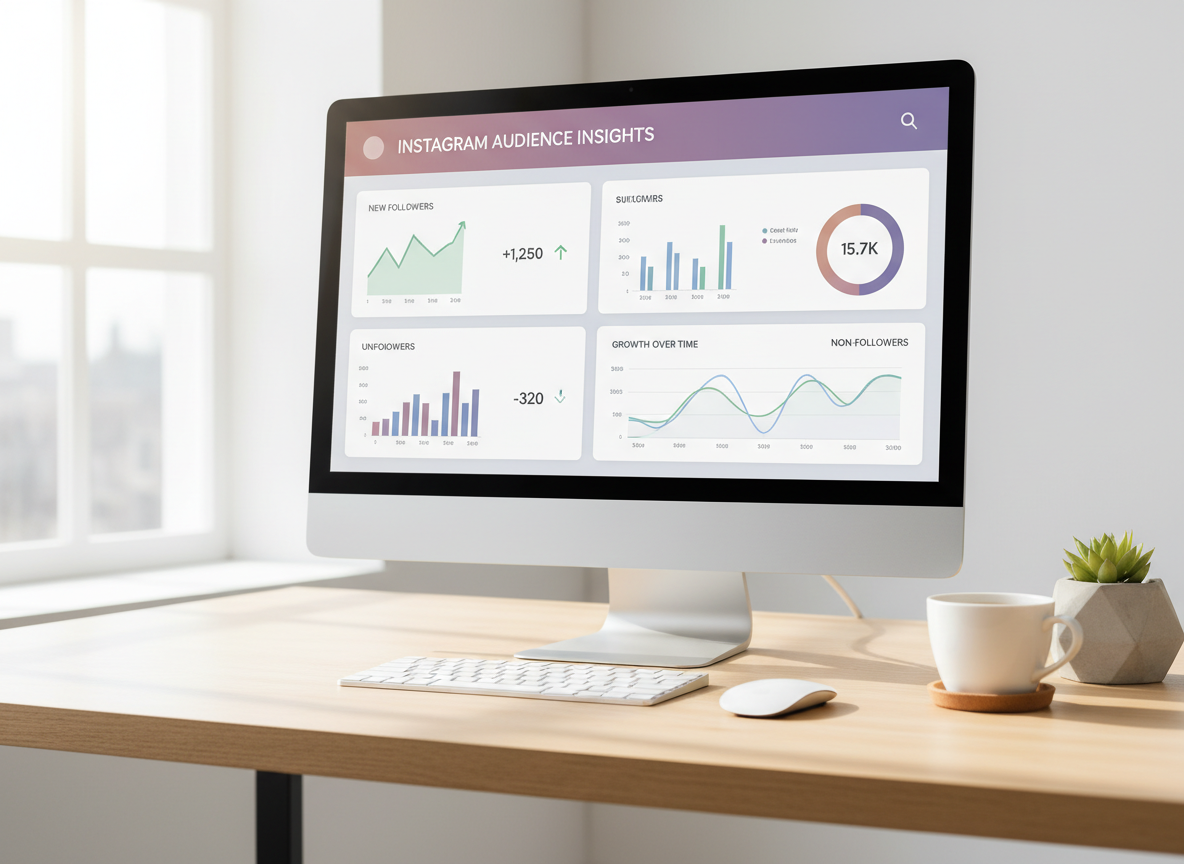
Real follower trackers are built around your account (or a client’s account you manage). That’s where they can be accurate without doing shady stuff.
They typically focus on:
- Unfollowers (who left since your last check)
- New followers (who joined since your last check)
- Non-followers (you follow them, they don’t follow you back)
- Growth history over weeks/months
If you want the deeper “why” behind what tools can and can’t pull from Instagram these days, this breakdown on Instagram data access limitations explains the boundaries in plain English.
How UnfollowGram Follower Tracker helps with this (without pretending it can spy on people)
UnfollowGram Follower Tracker exists for the part that Instagram does let you measure cleanly: changes around your follower relationships on public accounts, without handing over your password. That “no login” approach matters more than people think because it avoids the sketchiest failure mode: tools that ask for your credentials and then trigger security checks or restrictions.
In practice, I’ve used UnfollowGram-style tracking when I’m trying to answer normal questions like “Did that Reel bring in real followers?” and “Who unfollowed after I posted three sponsored clips in a row?” (Yeah… I’ve done that, and the dip was immediate.) For that kind of day-to-day monitoring, something like an Instagram follower tracker that refreshes fast is the right tool for the job.
What it doesn’t do: it won’t magically reveal who a random person recently followed. Nobody credible can promise that consistently. If you want a broader view beyond just follower changes, pair it with an analytics approach like what we talk about in our Instagram activity tracking and growth monitoring guide, where engagement and content performance are treated as first-class signals, not gossip.
And if you specifically came here because you saw an ad claiming “track anyone’s recent follows,” you’ll want to read this, too: can an Instagram recent followers app really track who someone recently followed? It covers the claim vs reality gap better than most of the internet does.
FAQ
Can you see who someone recently followed on Instagram?
No. Instagram doesn’t provide a reliable, public “recently followed” view for someone else’s account, even if they’re public.
Do third-party apps let you see who another person recently followed?
Not reliably. In my testing, apps claiming this either guess, scrape inconsistently, or show unreliable data because Instagram restricts access to that kind of activity.
Can I check someone’s recent follows anonymously?
You can view a public account’s Following list without notifying them, but you can’t reliably prove who they followed most recently from that list.
What if the account is private?
If they’re private and you’re not approved, you can’t see their Following list at all. And even if you are approved, you still won’t get a true “recent follows” timeline.
What’s the safest way to track follows and unfollows?
Track your own account using tools that don’t ask for your Instagram password and focus on follower changes you can verify over time.
Conclusion
If you’re trying to see who someone recently followed on Instagram, the frustrating truth is Instagram doesn’t make that information available in a dependable way, and the tools claiming they can usually aren’t playing straight.
The smarter move is to switch from “recent follows” to signals you can actually measure: public count changes, visible interactions, and your own follower gains and losses. If your real goal is understanding your audience and cleaning up your follower list, use a tracker built for that, not a spy tool.
If you want to monitor your own unfollowers and new followers without handing over your login, UnfollowGram is a solid, low-drama option. Just don’t expect it, or any honest tool, to read someone else’s private follow activity.

Ethan is the founder of UnfollowGram with more than 12 years of experience in social media marketing. He focuses on understanding how Instagram really works, from follower behavior to engagement patterns, and shares those insights through UnfollowGram’s tools and articles.