Unfollow Anxiety Is Real: Why Losing Followers Hurts So Much
Last Updated on January 27, 2026 by Ethan
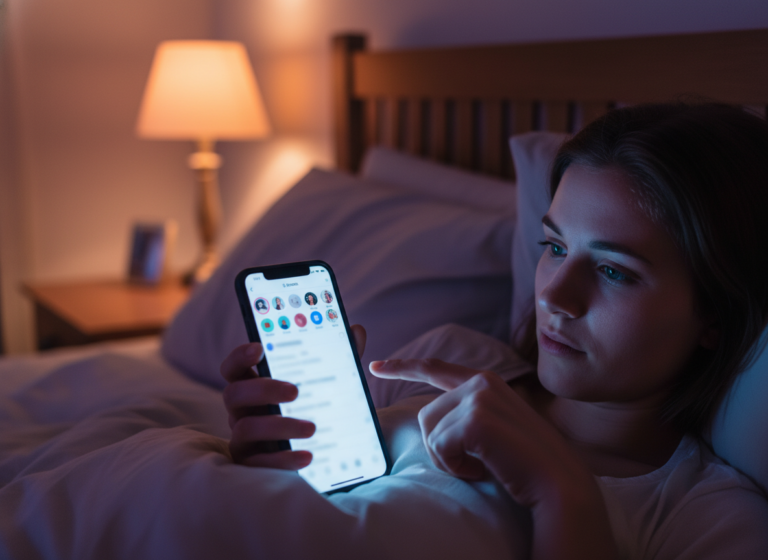
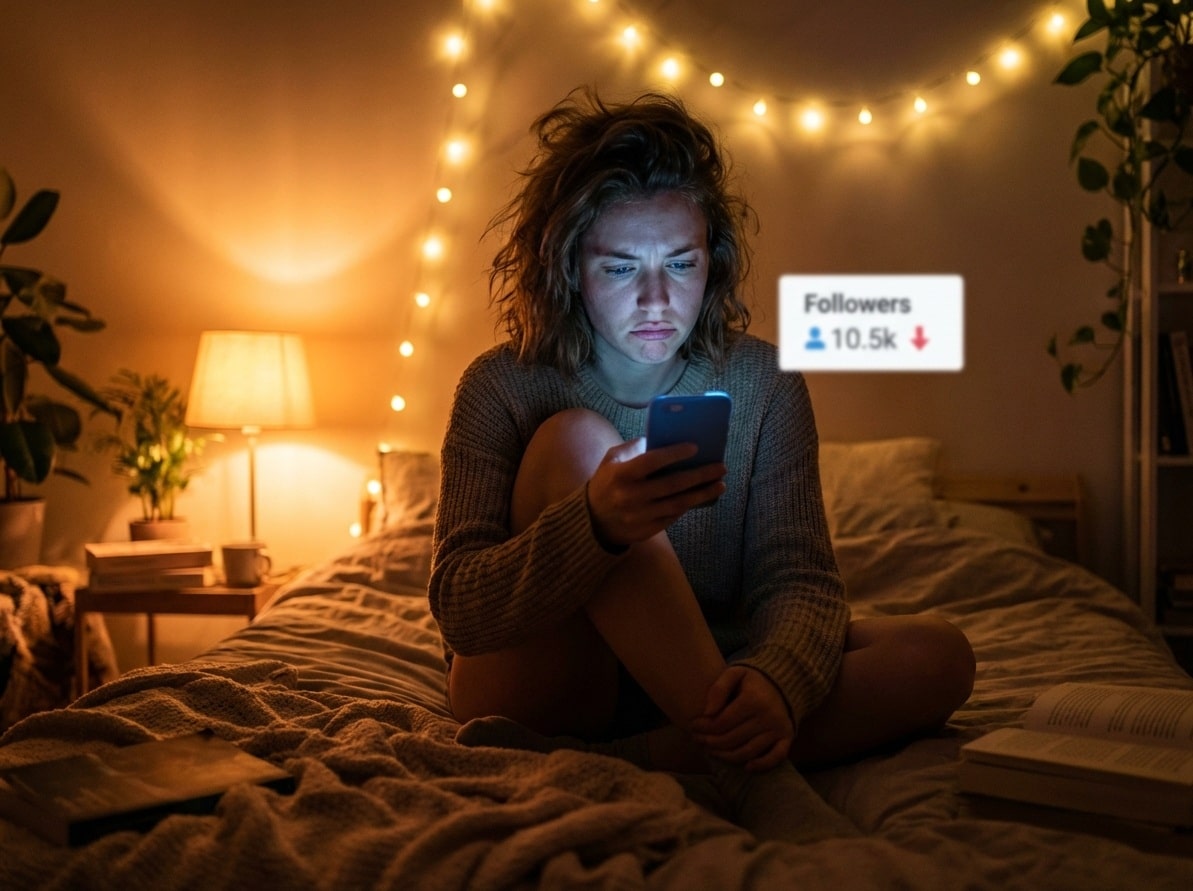
Okay, so here’s the thing. You check your phone. Maybe you’re bored, maybe you’re procrastinating, whatever. You open Instagram and glance at your follower count.
It’s down by two.
Two people. That’s it. Out of hundreds or thousands. Shouldn’t matter, right?
But it does. Your stomach does this little flip. Who was it? Why’d they leave? Was it that story you posted yesterday? The one where you maybe overshared a bit?
Look, I’ve been there. More times than I wanna admit. And if you’re reading this thinking, “wow, that’s embarrassingly relatable,” same. We’re in this together.
This Feeling Has a Name
People are calling it unfollow anxiety now. Not a diagnosis or anything. Nobody’s putting it in medical textbooks. But it’s a real pattern that psychologists have started noticing and studying.
Basically? It’s that creeping discomfort when someone stops following you. The self-doubt. The “what did I do wrong” spiral. The way a tiny number change can wreck your whole afternoon.
Your brain treats it like rejection. And here’s the wild part: brain scans show rejection lights up the same areas as physical pain. Not metaphorically. Actually. So, when does losing followers hurt? It kinda literally does.
Why Two Followers Feels Like Twenty
This is what gets me. Logically, I know it doesn’t matter. One random person unfollowing? Who cares. But my brain cares. A lot. Here’s why that happens:
We’re wired to notice bad stuff more. Evolution thing. Our ancestors survived by being paranoid about threats. So we’re built to pay way more attention to losses than gains. You could get 10 new followers today and lose 2, and I guarantee you’ll think about the 2 more. It’s annoying, but it’s how brains work.
Instagram tells you nothing. No notification. No “hey, this person bounced.” Just… silence. And a smaller number. So your brain fills in the story. Usually, the worst possible story. “They hate my content.” “I’m boring.” “I peaked three months ago.”
None of that might be true. Probably isn’t. But with zero information, anxiety writes the script.
We’ve been trained to think followers = worth. It’s messed up but we’ve internalized it. More followers mean more success, more interest, and more validity. Research backs this up, too. People genuinely tie self-esteem to their metrics. So when the number drops? Feels like losing a piece of yourself.
When It Hits Hardest
In my experience, there are certain times this stuff stings way more:
Right after posting something vulnerable. You share something real, something that took guts, and then… people leave. Hard not to connect those dots even if the connection doesn’t exist.
When you’re stuck. Growth plateaus are brutal. You’ve been at roughly the same count for weeks, and every single loss feels like sliding backward into a hole.
Late at night. Everything’s worse at 2 am. Including this. Seriously, don’t check your follower count at 2am. Nothing good comes from that.
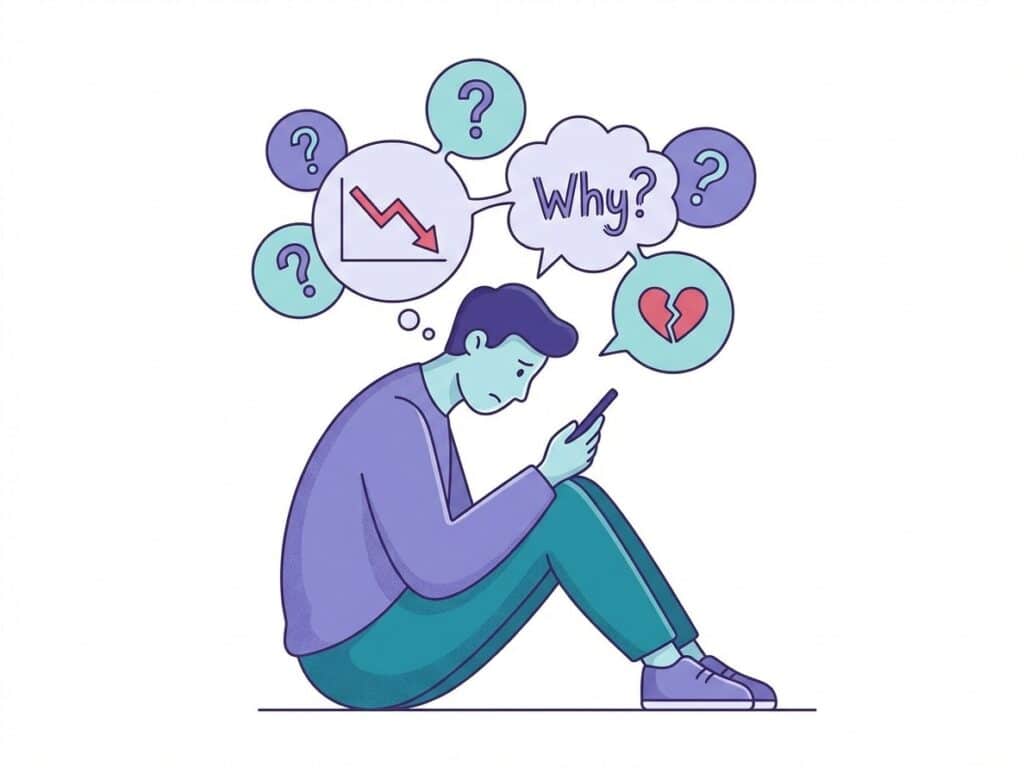
When your work depends on it. Creators and small business owners feel this differently. It’s not just social stuff, it’s professional. One unfollow feels like one less potential customer walking out the door.
Your brain treats unfollows like rejection. You’re not being dramatic.
The Science Bit (Quick Version)
Okay so researchers at Iowa State University did this study. They got college students to limit social media to 30 minutes a day for two weeks. That’s it. Just two weeks.
Results? Less anxiety. Less depression. Less loneliness. Less FOMO.
Which tells us something. The anxiety isn’t just about unfollows specifically. It’s about constant exposure to metrics our brains were never designed to handle. We evolved tracking maybe 50-100 social relationships. Now we’re monitoring thousands of strangers while an algorithm decides if our stuff is “good enough” to show anyone.
No wonder we feel weird about it.
What Actually Helps (For Real)
I’m not gonna tell you to “just not care.” Hate that advice. Useless. You can’t logic your way out of feelings.
But you can shift things over time. Here’s what’s worked for me:
Check way less often. Once a week, maybe twice. That’s plenty. Daily checking creates anxiety. Hourly checking creates misery. I used to check like five times a day and it was genuinely making me worse at my actual job.
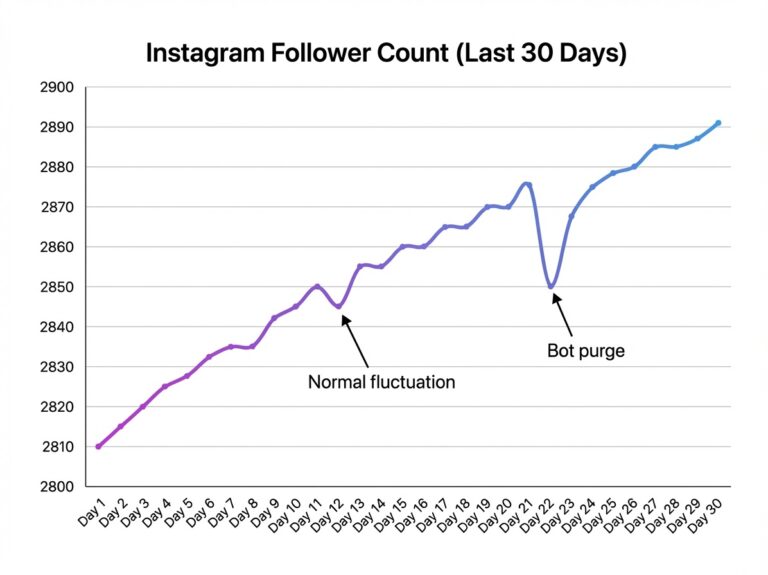
Look at months, not days. One follower today? Meaningless. Net change over 30 days? That actually tells you something. If you’re gonna track, track the big picture. Good tracking tools can help with this.
Remember why people actually unfollow. Spoiler: it’s almost never personal. People quit Instagram entirely. They clean up their feeds. They change interests. Their account got hacked. They accidentally hit unfollow while scrolling half asleep. 90% of the time it has zero to do with you.
Diversify where you get validation. If Instagram is your only source of feeling good about yourself? Yeah, every fluctuation’s gonna feel huge. But if you’re also feeling accomplished through work, hobbies, real friendships, whatever else, one unfollow can’t shake your whole foundation.
Set boundaries. No checking first thing when you wake up. No checking before sleep. Maybe no checking on weekends. Whatever gives you room to breathe. I personally don’t check on Sundays anymore. Game changer.
When It’s More Than Just Annoying
Gotta say this part. For some people, this stuff goes deeper.
If you’re avoiding posting entirely because you’re terrified of losing followers? If you’re thinking about unfollow stuff for hours? If your actual mood crashes hard based on a number? That’s worth talking to someone about. Therapist. Counselor. Trusted friend.
Not because you’re “too sensitive” or whatever. But because patterns that affect your daily life deserve attention. And this might connect to bigger stuff around anxiety or self-worth that’s worth exploring.
The Real Talk Part
Here’s what I’ve come to believe after dealing with this for years.
Unfollow anxiety exists because we’re regular humans trying to navigate a digital world our brains weren’t built for. The problem isn’t you being weak or dramatic. The problem is a system that turns connection into numbers and shows us those numbers constantly.
You’re not silly for caring. You’re human. In a situation designed to make you care too much.
The goal isn’t to become some emotionless robot who never thinks about followers. The goal is caring in proportion. Remembering that followers are strangers who might stay or leave for a thousand reasons, most having nothing to do with your worth.
One less follower isn’t one less unit of value. It’s one stranger moving on. That’s literally all it is.
Took me a while to actually believe that. Still working on it, honestly. But it helps.
Track Followers Without The Stress -> Try UnfollowGram Free
See trends over time. Skip the daily anxiety spiral.
Frequently Asked Questions
Is unfollow anxiety an actual thing?
Not a clinical diagnosis you’d get from a doctor. But it’s a recognized emotional pattern that researchers study. Connects to fear of rejection and how social media metrics mess with self-esteem. The feelings are 100% real, even without a formal label.
Why does losing one follower feel worse than gaining five?
Negativity bias. Your brain evolved to notice threats more than rewards. Losses feel bigger than equivalent gains. It’s annoying, but it’s literally how human brains are wired.
Does limiting Instagram time actually help?
Yeah, research says so. An Iowa State study found that 30 minutes daily max led to less anxiety, depression, and loneliness after just two weeks. Less scrolling means fewer opportunities for the anxiety loop to kick in.
Should I stop tracking followers entirely?
Depends on you. For business purposes, tracking makes sense. For personal obsession, it usually makes things worse. Know which one you’re doing. Set boundaries either way.
How do I actually stop caring so much?
You probably can’t completely stop. And that’s fine. Focus on checking less, looking at long-term trends, and getting validation from multiple sources. The caring fades when Instagram isn’t your only measure of success.

Ethan is the founder of UnfollowGram with more than 12 years of experience in social media marketing. He focuses on understanding how Instagram really works, from follower behavior to engagement patterns, and shares those insights through UnfollowGram’s tools and articles.