Unfollow vs Remove Follower Whats the Difference
Last Updated on January 25, 2026 by Ethan
On Instagram, “unfollow” and “remove follower” aren’t the same move at all. Look, unfollowing is just you backing away from someone’s posts, but removing a follower is you booting them off your follower list, and yeah, on Instagram that usually turns into the whole block, then unblock thing.
If you’re Googling remove follower vs unfollow Instagram, you’re probably dealing with one of two vibes: you either want a cleaner feed (unfollow) or you want someone to stop watching you (remove). They both do something, sure, but they’re for two totally different situations.
I’ve tested this across creator accounts, client brand pages, and some “why did I even follow these people” personal accounts, and the weird part is how often people pick the wrong option, then get confused when nothing changes. So here’s the actual difference, what tends to happen right after you do it, and how you can keep an eye on the aftermath without tripping any Instagram alarms.
Unfollow vs remove follower, in one sentence.
If you unfollow them, you stop seeing their posts and Stories, but they can still follow you, unless they decide to unfollow you too.
Remove follower = they stop following you, so they can’t see your private content anymore (and even on public accounts, it cuts off the “easy access” of them sitting in your follower list).
That’s the whole “remove follower vs unfollow Instagram” debate in plain English. Different goals.
What “unfollow” actually does (and what it doesn’t)
When you unfollow someone, Instagram basically stops delivering their content to your home feed and your Stories tray. That’s it. You’re not blocking them. You’re not hiding your profile from them. You’re just opting out.
Here’s the thing a lot of people miss, unfollowing doesn’t really change who can see your posts. And if you’re public, they can still see everything anyway, they can follow you again, and they might even keep liking your posts if they run into them later.
And if your account is private? They can still be an approved follower after you unfollow them. Which feels backwards the first time you notice it. I remember thinking, “Wait, I unfollowed you… why are you still here?” Yeah. That’s normal.
Why unfollowing is usually a “feed hygiene” move
- You’re tired of someone’s content.
- You want to reduce noise so you engage more with the people you actually care about.
- You’re cleaning up after a follow spree (we’ve all done it, don’t lie).
One lived-detail thing I’ve noticed: if you unfollow a bunch of accounts fast, Instagram sometimes starts pushing “Suggested for you” harder in your feed to fill the gaps. It’s not harmful, just annoying. For a day or two, your feed can feel like a mall kiosk.
What “remove follower” means on Instagram in 2026 (and the method that works)
Instagram does have a “Remove” option for followers on many accounts now, but it’s not always consistent across devices and account types, and it doesn’t exist in every context people expect. When it’s missing or buggy, the reliable method is still the same: block then unblock.
Blocking removes them as a follower instantly. Unblocking lets them view your profile again (if you’re public), but they’re no longer following you.
How to remove a follower (the block-unblock method)
- Go to their profile.
- Tap the menu (three dots).
- Select Block.
- Then go back and Unblock them.
Simple. Slightly awkward. Effective.
And yeah, the first time you do this it feels a little dramatic, like you’re slamming a door. I avoided doing it for years because I didn’t want to seem “extra.” Then I managed a creator account with an actual stalker situation and… okay, I got over it fast.
What changes after you remove a follower
- They’re no longer counted in your followers.
- If you’re private, they lose access immediately and would need to request again.
- If you’re public, they can still see you, but they have to manually follow again.
One more lived-detail: on bigger accounts, I’ve seen the follower count take a little time to visually “settle” after removals (especially if you’re doing a cleanup). The list updates right away, but the number at the top can lag or refresh weirdly. It usually corrects itself. Usually.
Okay, but which one should you use?
Here’s how I decide in real life, not theory.
Use “unfollow” when…
- You don’t want to see their content anymore.
- You want to stop accidentally liking their posts (been there, pain).
- You’re reducing your “following” count to keep your account tidy.
Use “remove follower” when…
- You don’t want someone in your audience.
- You’re private and you want them out, cleanly.
- You’re a creator and a competitor, ex, or random creep is watching everything you do.
- You’re pruning ghost followers to improve engagement rate quality.
How it works behind the scenes (why Instagram treats these differently)
Unfollow is a one-way relationship change: you’re modifying your own “following” edge in Instagram’s social graph. That affects what content gets delivered to you.
Remove follower is the inverse: you’re deleting their follower edge to you. Instagram treats that as an audience control action, which is why blocking (even temporarily) is the most reliable “hard reset.”
And here’s the counterintuitive insight nobody tells you: removing followers can sometimes improve your reach more than gaining new followers. You’d think bigger follower count equals more visibility, but Instagram’s been leaning hard into engagement quality. If you have a ton of dead followers, your posts hit a wall early, and the system assumes “meh content,” even if it’s actually solid.
I’ve watched this happen after ghost-follower cleanups: the follower count dips, but saves and comments per impression jump. Not always. But often enough that I don’t ignore it anymore.
Does Instagram notify people when you unfollow or remove them?
No official notification gets sent for either action. Instagram doesn’t pop up an alert like “Sarah unfollowed you” or “Mike removed you.”
But people still figure it out.
If you unfollow someone who’s the type to check their follower list daily, they’ll notice. If you remove someone (block-unblock), they’ll notice when they can’t see your private posts anymore, or when they spot they’re no longer following you.
If you want the deeper “why,” there’s a good breakdown here: why Instagram has no unfollow notifications.
Tracking unfollows without doing anything sketchy
If you’re trying to understand patterns like “Do I lose followers after sponsored posts?” or “Who unfollowed after that Story rant?” you need a tracker that doesn’t log into your IG account or automate actions.
I’m picky about this because I’ve seen accounts get temporarily locked for using tools that poke Instagram the wrong way. It’s not fun. I once had a client’s account stuck in verification loops for two days because they tried a bot that promised “auto-unfollow.” Never again.
For daily monitoring, I’ve had good results using UnfollowGram because it doesn’t ask for your password and it’s built around tracking, not controlling your account.
If you’re curious about the mechanics (and why some tools are wildly inaccurate), these two are worth reading: how Instagram unfollow tracking works and how unfollower tracker apps detect changes.
Public vs private changes everything
This is where a lot of people get tripped up. If your account is private, outside tools can’t reliably see your follower list, period. That’s not a tool problem. That’s how privacy works.
If you’re unsure how that impacts tracking, this clears it up fast: public vs private accounts for tracking.
Follow/unfollow tactics: what still works, what’s basically dead
People still try the follow/unfollow growth loop. It’s not gone. It’s just way less forgiving than it used to be.
Older experiments showed big short-term growth spikes, like the kind documented in this social media lab write-up: follow/unfollow strategy test results. The catch is the platform’s enforcement is tighter now, and the algorithm cares more about retention than raw gains.
I tell most people: if you’re doing follow/unfollow in 2026, you’re playing on hard mode for no reason. Focus on content that earns saves and shares. That’s what moves the needle.
Action limits and timing (real-world numbers)
Instagram doesn’t publish clean limits, but in practice I try to keep people around 250 follows/unfollows a day or less to avoid the dreaded 24-hour action block. And even then, your mileage varies by account age and prior behavior.
Another lived-detail: brand-new accounts hit limits faster. I’ve watched fresh accounts get blocked at under 100 actions, while older “seasoned” accounts can cruise at 200-ish with no problem. It’s not fair. It’s just reality.
Failure modes: where this gets weird
Two scenarios make the “remove follower vs unfollow Instagram” thing confusing:
- Follower count churn that isn’t personal. Sometimes people “unfollow” you because they deleted their account, got banned, or did a mass cleanup. If you react to every dip like it’s a betrayal, you’ll drive yourself nuts. I did that early on. Exhausting.
- Private-to-public switches. If you go public after removing a follower, they can still view your content without following. People forget that “remove” isn’t the same as “block forever.” If you truly need them gone, you keep them blocked.
Common mistakes I see (and yes, I’ve made some of these)
- Unfollowing someone thinking it removes them from your followers. It won’t. Different direction in the relationship.
- Doing mass unfollows immediately after mass follows. That “24 hours later” unfollow pattern is such an obvious spam signal. Wait a few days at least if you’re doing any cleanup.
- Using an app that asks for your Instagram password. Hard pass. The risk isn’t worth it, and the security checks are stricter now.
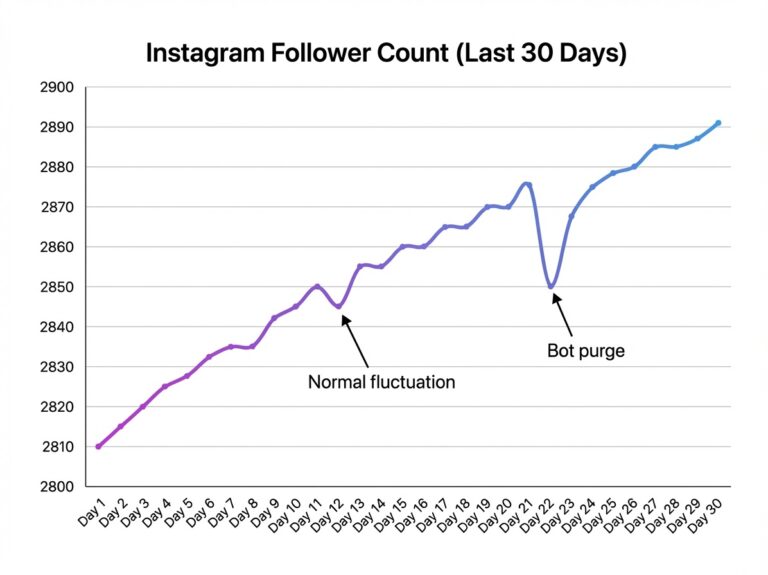
- Changing strategy based on one bad day. I’ve seen creators panic after losing 20 followers, then realize it lined up with an Instagram purge or a platform glitch.
- Ignoring retention. Lots of people chase follower count but never look at who leaves and why. Retention is the signal Instagram seems to reward lately, which lines up with what’s been discussed in newer audience-tracking coverage like this: how to safely track Instagram unfollowers in 2026.
And if you’re into pattern-spotting, weekly behavior reports can be surprisingly useful. Not for stalking, obviously, but for seeing what content triggers exits. This piece gets into that angle: turning activity into patterns.
Limitations (what unfollowing and removing won’t tell you)
This won’t tell you why someone left. An unfollow could be because they hate your content, because they’re cleaning their feed, because they got hacked, because they’re no longer active, or because Instagram purged bots. You don’t get a reason attached to the action.
Removing followers isn’t a magic “engagement boost” button. If your content isn’t landing, cutting followers won’t fix that. Also, on public accounts, removed followers can still watch without following, so it’s not true privacy unless you’re private or you keep them blocked.
FAQ
Does it notify if you remove followers or unfollow someone on Instagram?
No, Instagram doesn’t send a notification for unfollows or follower removals, but people can notice by checking their lists or losing access to private content.
What happens if I remove a follower from my Instagram?
They stop following you immediately. If you’re private, they lose access to your posts and must request again; if you’re public, they can still view your profile but won’t be following anymore.
Why would someone unfollow you but keep you as a follower?
Usually they want to see less content without cutting you off completely, or they’re doing a following cleanup while still liking your posts.
Can I remove a follower without blocking them?
Sometimes Instagram shows a “Remove” option in your follower list, but when it’s missing or inconsistent, block then unblock is the reliable workaround.
Wrapping it up (and what I’d do)
If your goal is peace and a cleaner feed, unfollow. If your goal is control over who’s in your audience, remove the follower (and if you truly need distance, block and keep them blocked).
And if you’re trying to understand churn instead of guessing, track it. Not obsessively. Just consistently enough to spot patterns, like “I lose people after giveaway posts” or “Every time I post 6 Stories in a row, I bleed followers.”
If you want a simple way to check who left and who’s not following back without handing over your login, I’d use UnfollowGram Follower Tracker and keep it as a quiet little dashboard you check when you’re in analysis mode, not spiral mode.

Ethan is the founder of UnfollowGram with more than 12 years of experience in social media marketing. He focuses on understanding how Instagram really works, from follower behavior to engagement patterns, and shares those insights through UnfollowGram’s tools and articles.