When Should You Unfollow Someone on Instagram?
Last Updated on February 16, 2026 by Ethan
Look, if following them is messing up your feed, your mood, or making your account goals harder to reach, that’s usually your sign to hit unfollow. Here’s the thing, don’t go on an unfollow spree. In 2026 Instagram tends to freak out if you drop a bunch of accounts fast, and you can end up with an action block if you get a little too click-happy.
I’ve been tracking unfollow patterns for creators and small brands for years, and the same story keeps repeating: people wait too long, then rage-unfollow 400 accounts in one sitting… and boom, “Try again later.” Not fun.
So this is the real answer to when should you unfollow someone on Instagram: when there’s a clear reason, and when you can do it in a way that doesn’t look like spam behavior. I’ll walk you through when it actually makes sense to unfollow, when you should probably hold off, and how to space it out so your account doesn’t get flagged.
TL;DR: Unfollow accounts on Instagram when they negatively impact your feed, mental space, or goals, but do it slowly to avoid action blocks. When I’m on the fence, I ask myself three quick questions. First one, does this account actually add anything for me? Are you following out of obligation? Second, is it moving you toward what you’re trying to do, or is it kind of getting in the way? And honestly, being picky about who you follow usually keeps your account cleaner and your attention where you want it.
The quickest way I decide is with a simple gut-check. I pretty much run the same three questions every time. They cut through the noise.
1) Does this account improve your feed or distract you?
If their posts don’t teach you anything, inspire you, entertain you, or help you do your job, you’re basically paying attention-tax for no return. And yeah, I know it feels petty. I’ve kept “meh” accounts way too long just because I didn’t want to seem rude. (They’ll never know. Still. My brain did the guilt thing.)
One lived-detail thing I’ve noticed: when someone’s feed turns into constant reposts, giveaways, or engagement bait, you’ll feel it immediately in your screen-time. You open Instagram to post, and suddenly you’re 20 minutes deep watching nonsense. That’s usually my unfollow trigger.
2) Are you following them out of obligation?
Friends, coworkers, your cousin’s partner, that person you met once at a wedding. If you’re following because you “have to,” it’s worth asking if you actually do.
Here’s a counterintuitive truth: sometimes unfollowing is cleaner than muting because it removes the mental tab you keep open. You stop checking if they watched your story. You stop overthinking. It’s quieter.
3) Is this follow helping your goals, or fighting them?
If you’re a creator, your “Following” list shapes what you consume, what you copy, and what you think is normal. If you’re trying to grow a food account but you’re following 800 meme pages and crypto hype accounts… your own content brain gets pulled all over the place.
And if you care about aesthetics or positioning, your follower-to-following ratio and what it signals can matter for brand deals and first impressions. Not always, but enough that I’ve seen it affect how people take an account seriously.
How unfollowing “works” in 2026 (and why people get blocked)
Instagram doesn’t just look at one action. It looks at patterns.
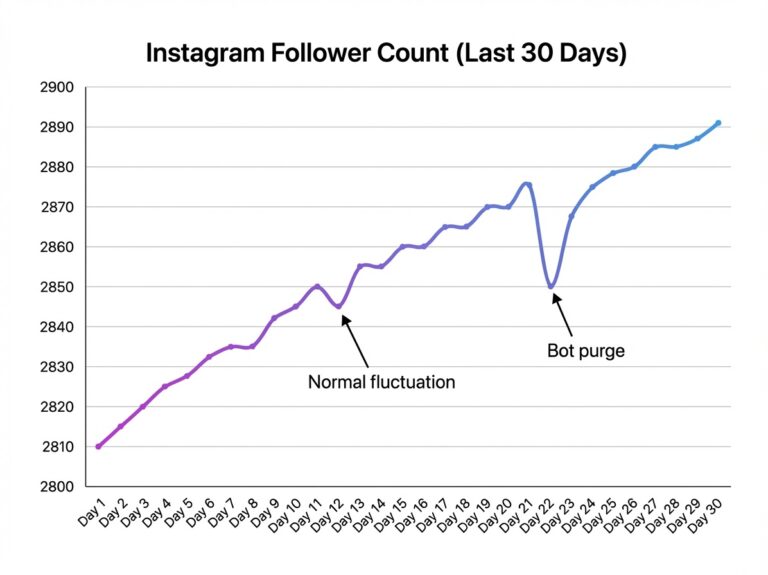
When you unfollow a bunch of accounts quickly, especially in a tight window, it can resemble automated behavior. The platform’s detection systems are trying to catch bots that do follow/unfollow loops, so a human doing “human-looking spam” can still get treated like spam. Annoying, but that’s the game.
What I’m seeing this year lines up with what other social media labs have tested about follow/unfollow tactics and platform trust signals, including this breakdown on why follow/unfollow strategies tend to backfire long-term: Agorapulse’s social media lab write-up.
The pacing that keeps you out of trouble
- 50 to 100 unfollows in a short burst is where I see people start getting “Try again later” blocks.
- 250 unfollows per day is the absolute ceiling I’d respect if you’re cleaning up, and even then, I’d spread it out.
- Wait 3 to 7 days before unfollowing brand-new follows who didn’t follow back or didn’t engage. (Doing it immediately is a huge “pattern” signal.)
And yeah, you’ll see people online claim they unfollowed 1,000 accounts in an hour and “nothing happened.” Sometimes that’s true. Sometimes they’re already rate-limited and don’t realize it. Sometimes they got lucky. Your mileage varies a lot based on account age, prior violations, device/IP weirdness, and how often you’ve been blocked before.
Failure mode I see all the time: the “cleanup spiral”
This falls apart when you start cleaning your Following list while you’re already action-limited from other activity. Example: you posted, replied to 40 comments, followed 20 new accounts from Explore, then tried to unfollow 200. That combo can trigger limits faster than unfollowing alone.
I’ve had weeks where I forgot I’d been doing heavy DM outreach (for collabs), then tried to prune follows on top of it. Bad idea. I had to wait it out.
When you should unfollow someone (real scenarios that actually make sense)
Here are the moments where unfollowing is the right move, even if you feel a little weird about it.
Their content shifted, and you didn’t sign up for the new version
People change niches. It happens. A fitness account becomes political commentary. A travel account turns into constant sponsored posts. A friend starts posting stuff that makes you tense every time you open the app.
Unfollow is a boundary. Not a punishment.
You followed during a “growth phase,” and now it’s just clutter
A lot of creators go through a phase where they follow a ton of accounts in their niche to get seen. I’m not judging. I’ve done it too. Then one day you realize your feed is 70% competitors and 30% chaos.
That’s usually when I recommend a slow cleanup. If you want the step-by-step for doing that without breaking your account, read this walkthrough on cleaning up your Instagram following list safely.
They don’t follow back, and the relationship is purely transactional
Not every non-follower is “bad.” Some are worth keeping because you genuinely like their work, or you learn from them.
But if you followed because you thought there’d be mutual support and it’s clearly not happening, it’s fair to unfollow. I’d just give it a beat first. I like the 3 to 7 day buffer because it avoids that super obvious follow/unfollow footprint.
If you’re trying to identify who doesn’t follow you back, this article gives a solid overview of the concept and the common ways people check it: who doesn’t follow me back on Instagram.
You’re doomscrolling because of them (and it’s affecting your real life)
Some accounts are just… emotionally expensive. Comparison traps, rage content, and constant “perfect life” highlights. If you feel worse after seeing their stuff, that’s your sign.
Quick vulnerable moment: I used to keep a few “aspirational” accounts that actually just made me feel behind all the time. I told myself it was motivation. It wasn’t. Unfollowing helped immediately.
You’re only still following because you’re afraid they’ll notice
Most people won’t notice. And even if they do, the odds they confront you are low.
Also, Instagram doesn’t notify someone when you unfollow them. If you want the specifics of what changes (and what doesn’t), I broke it down here: what actually happens when you unfollow someone on Instagram.
When you should NOT unfollow (even if they don’t follow back)
This is where a lot of people mess up. They turn it into a purity test. Don’t.
Keep “high-value follows” even if they’re not mutual
News, industry leaders, niche educators, local community accounts, brands you genuinely shop from, and creators you learn from. If they make your content better, keep them.
I’ve seen creators unfollow all big accounts to chase a “clean ratio,” then their ideas dry up because they stopped consuming good work. It’s like trying to become a chef without tasting anyone else’s food. Kind of self-sabotage.
Don’t unfollow in the heat of the moment
If you’re angry, embarrassed, or spiraling, don’t do follower maintenance right then. Seriously. Sleep on it.
I’ve unfollowed people impulsively before, then had to awkwardly refollow later. Painful. 0/10 experience.
If you’re trying to send a message, unfollowing is a messy tool
Unfollow as a “signal” is unreliable. They might not see it. Or they might not care. Or they might see it and misunderstand why.
If you need distance, consider muting first. If you need clarity, talk to them. If you need them off your page entirely, that’s not unfollowing anyway; that’s removing or blocking.
If you’re unsure whether you should unfollow, remove, or block, read this breakdown of unfollow vs remove. It clears up a lot of confusion.
A practical unfollow plan (that won’t trigger action blocks)
If you’re thinking “cool, but I follow 3,400 people,” this is for you.
- Pick a reason category first. Example: “inactive accounts,” “spam/giveaway pages,” “no longer relevant,” or “non-mutuals I don’t care about.” One category keeps you from random unfollowing.
- Set a small daily number you can repeat. For most accounts, I like 20 to 40 unfollows per day for a week, then reassess. Boring. Safe. It works.
- Spread actions across the day. Don’t do all 40 in one bathroom break. Do 10 in the morning, 10 mid-day, 10 at night. Instagram seems to hate “bursty” behavior.
- Don’t mix heavy following + heavy unfollowing on the same day. If you’re networking or doing outreach, keep unfollows light. This single change prevents a lot of blocks.
- Track who you removed so you don’t second-guess yourself later. This is the part people skip, then they keep rechecking the same accounts and doing the same emotional math again.
One specific thing I’ve seen on larger accounts (50k+): their unfollow actions tend to “lag” in the UI. You’ll unfollow, refresh, and the Following list still looks weird for a minute. It’s not always you. Instagram can be slow to reflect changes at scale.
Common mistakes I see (and how to avoid them)
Mass unfollowing in a single sitting
This is the big one. People do it because it feels productive. Then they get blocked and can’t even like posts for 24 hours. Brutal.
Using sketchy tools that want your password
If a tool asks for your Instagram login, I personally treat it like a loaded weapon. Could it be fine? Maybe. But I’ve seen too many accounts get compromised, or get stuck in weird security loops, or have “suspicious login attempt” headaches for days.
Unfollowing people who actually support you
This one hurts. You remove someone because they don’t follow back, but they like your posts, share your reels, comment, reply to stories, or send referrals. That’s value.
If you want a mindset reset about unfollows (and to stop taking them personally), this piece is worth reading: why people unfollow on Instagram and why it’s rarely about you.
Trying to “fix” reach by pruning your Following list
This is a myth that won’t die. Unfollowing a bunch of accounts doesn’t magically boost your reach.
Here’s what actually happens: cleaning your feed can improve your behavior, which improves your content. You get less distracted, you engage more intentionally, you post with a clearer head. That can lead to better results. But it’s indirect.
Limitations and caveats (so you don’t expect magic)
Unfollowing won’t tell you why someone didn’t follow back, or whether they’re secretly watching everything you do. It also won’t fix deeper issues like weak hooks, inconsistent posting, or content that doesn’t match what your audience followed for.
And one more caveat: if you’re private, some tracking and comparison methods get limited, and you’ll have fewer “at-a-glance” ways to see changes unless you’re manually checking. Public vs private changes the whole workflow.
How UnfollowGram Follower Tracker helps with unfollow decisions (without the sketchy stuff)
If you’re trying to decide when should you unfollow someone on Instagram, the hardest part usually isn’t the unfollow button. It’s the uncertainty. Who left? Who’s new? Who’s never been mutual? You end up guessing, or you waste time scrolling your Following list like it’s a crime scene.
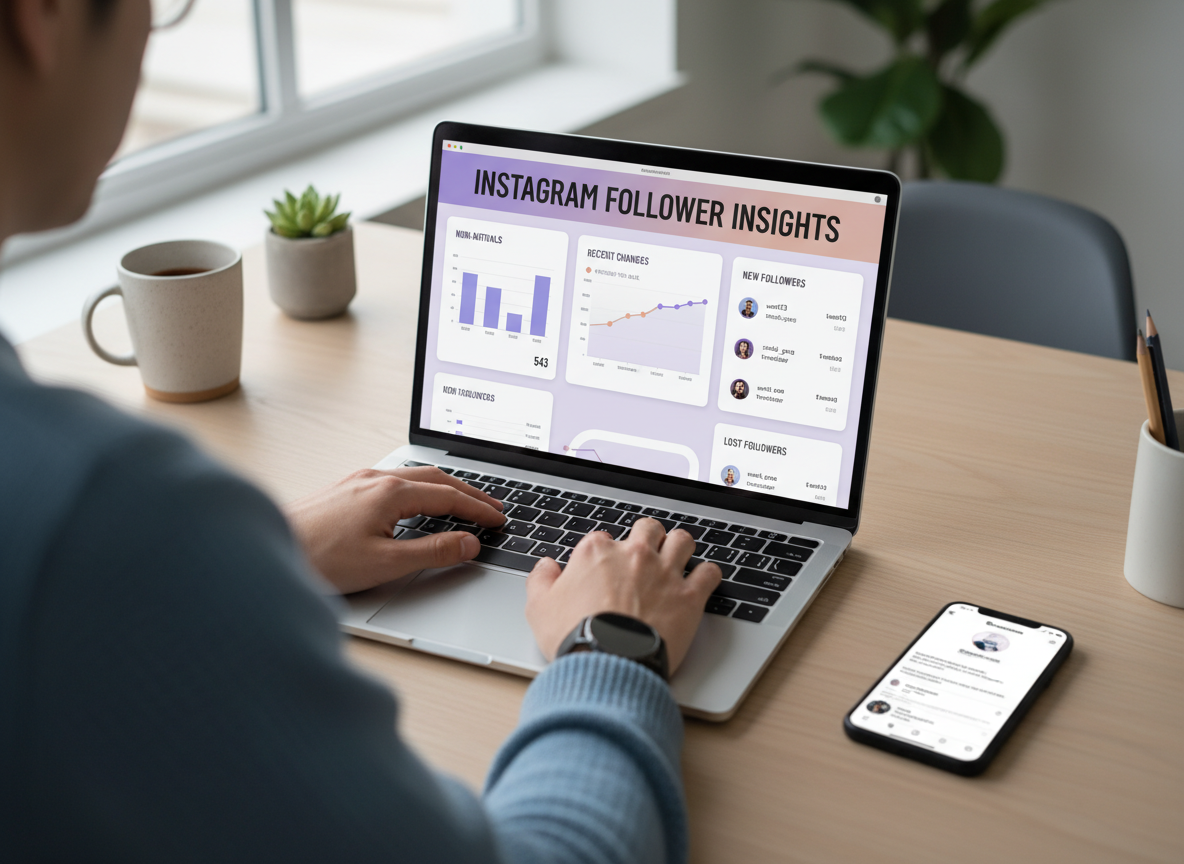
That’s why I like using a dashboard-style tool that doesn’t touch your login. UnfollowGram is built around that exact idea: you can check public-account follower changes without handing over your password, and that’s a big deal in 2026 when Instagram is cracking down on anything that looks like automation. If you want that kind of “who changed?” visibility before you start pruning, this Instagram unfollower tracker that doesn’t ask for your password is the cleanest starting point I’ve used.
One honest note: tools like this are best for tracking and clarity, not for bulk actions. You still want to unfollow manually, slowly, and with pacing. If an app promises one-tap mass unfollowing, I’m out. Immediately.
FAQ
When to unfollow someone on Instagram?
Unfollow when the account consistently adds no value, hurts your mood, or no longer fits your goals, and do it gradually (avoid rapid unfollow bursts that can trigger action blocks).
How many people can I unfollow per day without getting blocked?
I’ve had the best results staying under 50 to 100 unfollows in a short period, and keeping an absolute daily ceiling around 250 unfollows, spaced throughout the day.
Will someone know if I unfollow them?
Instagram doesn’t send an unfollow notification, but they can notice if they check their follower list or see you’re no longer in their followers.
Is it better to unfollow or mute?
Mute is better when you want less noise without changing the relationship; unfollow is better when you want a clean break and don’t want their content in your feed at all.
Should I unfollow people who don’t follow me back?
Only if the relationship is purely transactional and you don’t genuinely value their content; plenty of non-mutual accounts are worth keeping if they help you learn, create, or stay informed.
Conclusion (keep it simple, keep it safe)
If you’re wondering when you should unfollow someone on Instagram, use this rule: unfollow when it improves your feed, your focus, or your boundaries, and don’t do it in a spammy sprint. Go slower than you want to, spread out your actions, and give new followers a few days before you decide they’re “not mutual.”
If you want to make those decisions with less guessing, use a tracker for visibility, then do the actual unfollowing manually. And if you’re already in that “who changed?” spiral, UnfollowGram makes it easier to see what’s happening so your cleanup is based on reality, not vibes.
External references I’ve found useful while comparing strategies: this quick video explanation of common follow/unfollow pitfalls, follow/unfollow strategy breakdown.

Ethan is the founder of UnfollowGram with more than 12 years of experience in social media marketing. He focuses on understanding how Instagram really works, from follower behavior to engagement patterns, and shares those insights through UnfollowGram’s tools and articles.