Why Who They Follow Does Not Tell the Truth
Last Updated on February 13, 2026 by Ethan
Who someone follows on Instagram doesn’t mean much, and it definitely doesn’t tell the truth about what they like, who they support, or what they actually pay attention to day-to-day. A follow is often a random tap from months (or years) ago, not a real-time vote of interest.
If you’re Googling why who someone follows doesn’t mean anything, you’re probably trying to “read” someone through their following list. I get it. I’ve done the same thing on client accounts and, yeah, on my own personal account too when I was overthinking.
Here’s what actually matters more: what they watch, what they interact with, and what they come back to. The follow list is the loudest signal on the screen, but it’s rarely the most honest one.
TL;DR: Following someone on Instagram doesn’t accurately reflect their interests or support; it’s often a passive action without real engagement. What matters more is how users interact with content, as many follow accounts out of curiosity or politeness, leading to a disconnect between follows and true attention. In short, a follow doesn’t equal meaningful engagement.
The uncomfortable truth: following is passive, not proof
People treat a follow like a statement. It’s usually not.
Instagram made “Follow” a one-tap action for a reason. It’s frictionless. And because it’s frictionless, it’s messy. Someone can follow a friend’s new business out of politeness, follow a meme page for one joke, follow an influencer because they were curious for 20 seconds, then never think about that account again.
And brands leaning on follow lists as “intent” are kind of chasing ghosts. According to recent Instagram stat roundups, a huge chunk of users follow business profiles and engage with brands, but that doesn’t mean each individual follow is meaningful in isolation. The platform itself is built to separate “what you follow” from “what you see.” For a broad snapshot of how common brand following is, Meltwater’s Instagram stats are a solid reference point: Instagram statistics overview.
One lived-detail thing I’ve noticed after years of tracking accounts: on creator profiles that post inconsistently, the “following” list changes constantly, but the actual commenters stay weirdly stable. That’s the tell. Not the follow list.
How it works (and why your brain gets fooled by the follow list)
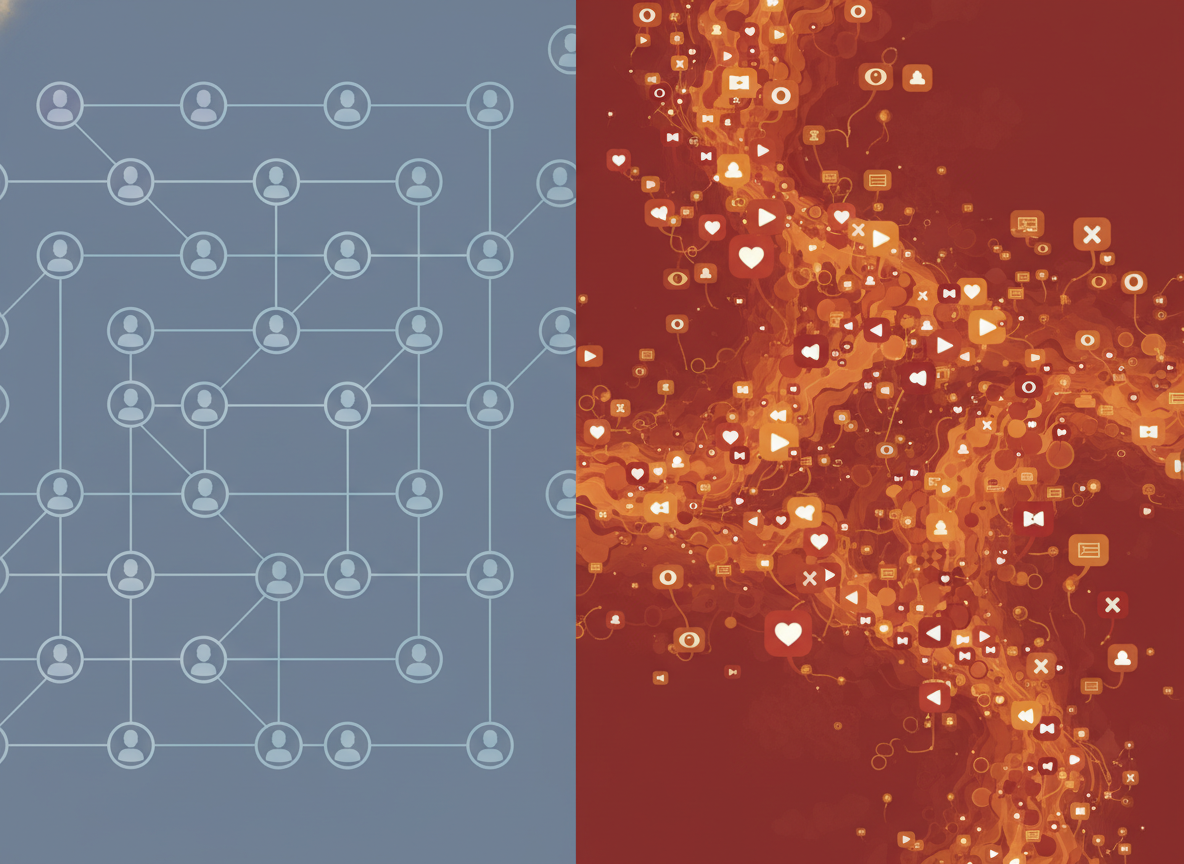
Instagram has two different “systems” happening at once:
- The social graph: who follows who, mutuals, network connections.
- The behavior graph: what you watch, pause on, rewatch, share, save, tap, and DM.
The reason “who they follow” doesn’t tell the truth is that the algorithm leans hard on the behavior graph. Reels especially tilted this. A massive amount of total engagement now comes from short-form video, which means people regularly spend their time on content from accounts they don’t even follow. (If you want numbers behind the Reels shift and other platform trends, this EmbedSocial stats breakdown is one I’ve referenced when explaining it to clients: current Instagram statistics.)
Here’s the counterintuitive part nobody likes hearing: someone can “follow” you and still basically not be part of your audience. They might never see your posts because they don’t interact, or they might get your content once a week and scroll right past. Following is not the same as attention.
I’ve tested this on multiple accounts where we posted daily for 30 days, then checked patterns. The biggest growth spikes came from Reels that hit Explore, not from follower network effects. You’d think the following list would predict reach. It doesn’t. Not reliably.
7 common reasons people follow accounts they don’t even like
This is where most people mess up. They assume a follow equals admiration, attraction, loyalty, or agreement. Sometimes it does. Often it’s one of these instead:
- Politeness follows: friends, coworkers, that cousin’s clothing line. You follow because it’s awkward not to.
- “I’ll unfollow later” follows: the classic lie we tell ourselves. Later never happens.
- Research follows: competitors, exes, creators in your niche. Not love. Recon.
- One-post bait: they saw one good Reel and followed, even if the rest of the account isn’t for them.
- DM convenience: following makes it easier to find someone again, or to keep them in your orbit.
- Social proof collecting: people follow “big” accounts because it feels culturally relevant to.
- Habit follows: scrolling suggested accounts half-asleep and tapping follow on autopilot (yep, it happens a lot).
Quick vulnerable moment: I’ve personally done the “research follow” thing with competitor pages and then forgot I was still following them for months. It looked like support from the outside. It wasn’t. It was me being nosy.
Follow lists are easy to misread (and it gets weird fast)
Some of the worst assumptions I see:
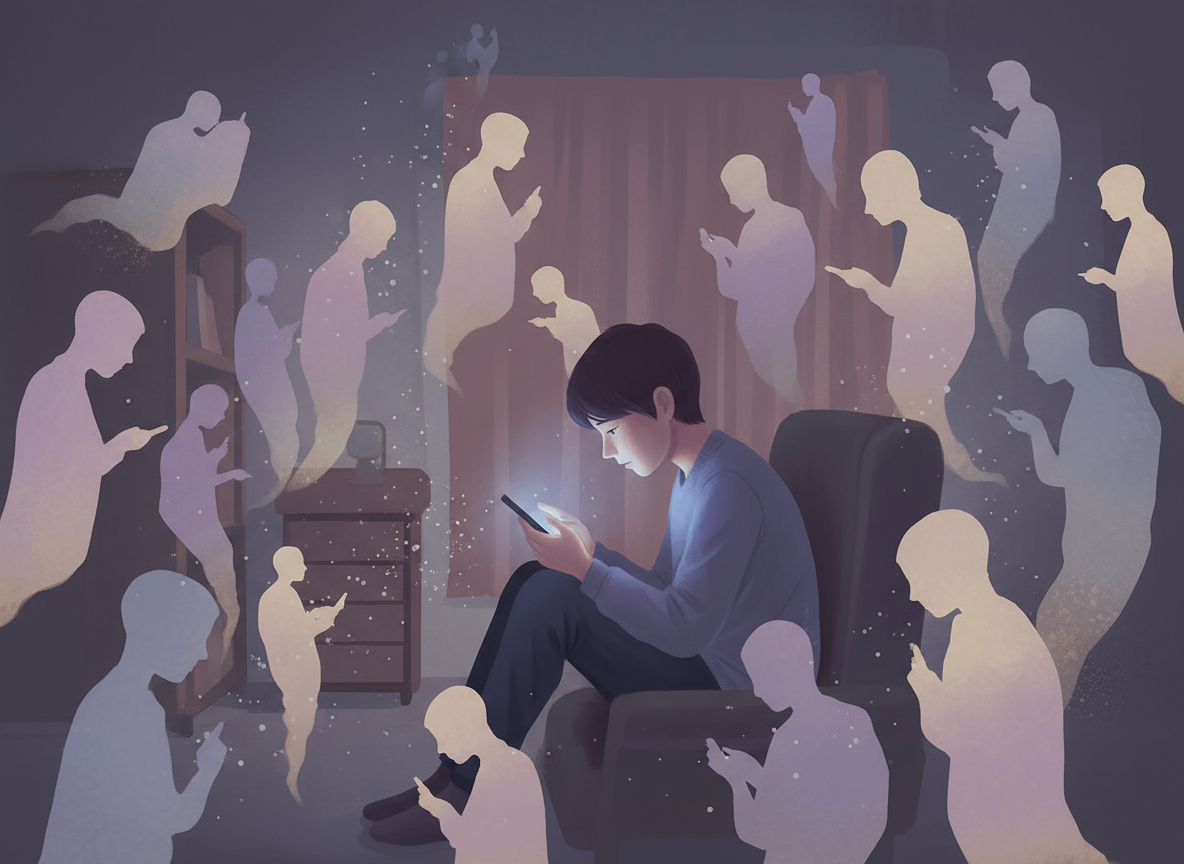
- “They follow that person so they must agree with them.” Not necessarily. People follow to argue, cringe-watch, or keep tabs.
- “They follow 2,000 people so they’re not loyal.” Maybe. Or they’ve had the account since 2013 and never cleaned it up.
- “They followed that brand so they must buy from them.” Honestly? Following brands is often just coupon behavior. People follow for a sale, then never purchase.
If you’re trying to interpret relationships, mutuals matter more than random follows. Even then, it’s still not bulletproof, but it’s closer to reality. If you’ve never thought about the difference, this breakdown of how mutual followers actually work on Instagram is worth reading.
The metrics that tell the truth better than “who they follow”
If you’re trying to understand someone’s real interests (or your own audience), look at signals that cost effort. Effort is honest.
1) Saves and shares (the “quiet yes” signals)
Likes are cheap. Saves and shares are commitment. When I audit creator accounts, a post with fewer likes but high saves usually points to real value, not just entertainment.
2) Story replies and DMs
DM behavior is one of the closest things to “truth” on Instagram because it’s private and intentional. People don’t DM stuff they don’t care about, generally.
3) Watch time on Reels
Reels watch time is brutal and honest. If people don’t care, they scroll. If they care, they pause, rewatch, or share.
4) Comment quality (not comment count)
“Nice” and a heart emoji isn’t nothing, but it’s not the same as “This helped me do X” or “I tried this and got Y result.”
5) Consistent returning viewers
This one’s harder to see directly without analytics, but you can feel it. Same people show up. Same names in Story viewers. Same DMs. That’s the real audience.
Sprout Social has a practical overview of what to track if you’re trying to measure what matters (instead of vanity numbers): Instagram metrics that actually indicate performance.
Failure modes: where “read the follow list” completely falls apart
There are a couple scenarios where using someone’s following list as “evidence” breaks instantly.
When the account is old (or had a follow-for-follow phase)
Back in the day, a lot of people did follow-for-follow, even if they won’t admit it now. Those follow lists are basically fossil records. They don’t reflect current taste at all.
When the person uses Instagram like a TV
Some users barely follow anyone new, but they watch endless suggested content. Their behavior graph is active, their social graph is stale. So the following list looks “clean,” but it’s not telling you what they’re actually consuming.
Another lived-detail thing: on larger public accounts (50k+), it’s common for the creator to barely touch their following list because they’re getting buried in notifications. Meanwhile, their Explore feed changes daily based on what they watch at night. The follow list stays the same. Their interests don’t.
Why brands and creators obsess over follow lists (and why it’s a trap)
Because it’s visible.
It’s the easiest thing to screenshot. It’s the easiest thing to argue about. It’s the easiest thing to turn into drama. But it’s not the best thing to use for decisions.
When marketers choose influencers, plenty still get hypnotized by follower count and “who follows who.” Meanwhile, smaller creators often outperform on engagement and trust. I’ve seen nano accounts drive real clicks and sales while bigger accounts delivered… vibes. That’s it. AltIndex and other stat aggregators track how massive the Instagram ecosystem is, but the day-to-day reality is: follower size doesn’t guarantee impact. If you want a broad reference for platform scale and follower stats, here’s one: Instagram follower stats and platform scale.
If you’re stuck in the mindset of “their ratio tells me everything,” pause. Ratio can be interesting, but it’s not truth serum. And it’s easy to misinterpret if you don’t know the context. This piece on Instagram follower to following ratio lays out what it can and can’t tell you without turning it into a morality contest.
The emotional side: why this topic hits so hard
Most people aren’t just curious. They’re anxious.
I’ve watched creators spiral because someone followed a “rival” creator. I’ve seen couples fight over a following list. I’ve had clients message me screenshots at 1 a.m. asking, “Is this a sign?” (It’s usually not.)
And I get it because I’ve been there. I used to check who unfollowed me manually, then try to connect it to who they followed next. It made me feel like I was doing detective work. Really I was just feeding anxiety.
If you want the most honest read on that feeling, this article about unfollow anxiety explains the mental loop better than most “social media advice” ever will.
A quick tangent: ghost followers make “following” even less meaningful
Even if someone follows you, they might not be a real, active viewer.
Some followers are dead accounts. Some are bots. Some are real humans who just don’t engage with anything anymore. That means the follow count and the follow relationship can look “true” on paper while being totally empty in practice.
I’ve audited accounts where 20% to 40% of followers were basically ghosts, and the creator kept thinking their content was the problem. Nope. The audience was half asleep. If this sounds familiar, read this explanation of ghost followers on Instagram.
Limitations (so you don’t overcorrect in the other direction)
Okay, real talk: saying “following doesn’t mean anything” can also be taken too far.

- This won’t tell you what someone privately believes. Someone can follow an account they genuinely support and still never engage publicly. Quiet support exists.
- This doesn’t work well for private accounts. You can’t reliably analyze following patterns when you can’t see behavior signals, and private accounts are their own universe.
Also, timing matters. If someone just followed an account today, that might reflect a current interest. But if they followed three years ago? It’s basically ancient history. Your mileage varies a lot depending on when the follow happened, and Instagram doesn’t label follows with dates publicly.
How UnfollowGram Follower Tracker helps when follow lists are misleading
When people get stuck staring at a following list, they’re usually chasing an answer to a different question: “Who’s actually still here?” That’s the practical version. Not the mind-reading version.
That’s why I like tools that focus on changes over time, not vibes. this password-free Instagram unfollower tracker is built around tracking what shifts: who unfollowed, who’s new, and who doesn’t follow back, using public data without asking for your IG login. Simple.
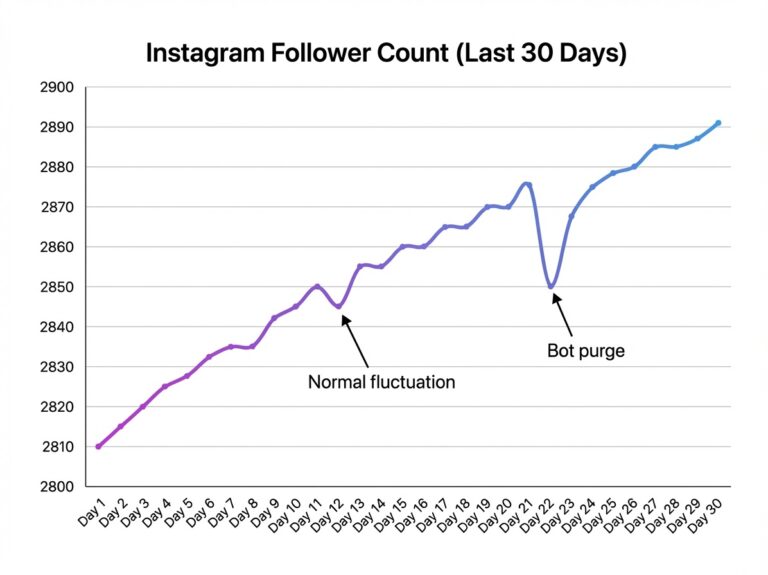
One specific thing I’ve seen in real use: on smaller public accounts (under 5k followers), daily checks make patterns obvious fast. You’ll notice unfollows cluster right after certain posts, or after you do a big following cleanup. On larger accounts, it can feel noisier because unfollows happen constantly, but the trend line still tells you way more than “they follow X so it must mean Y.”
Honest caveat: UnfollowGram won’t tell you why someone unfollowed, and it can’t read private engagement like DMs. It’s not a mind reader. It’s a tracker. If you want the “why,” you’re looking at content, timing, and audience fit, which is exactly what people skip when they obsess over follow lists.
If you’re dealing with the emotional sting of unfollows, this is also worth keeping in your back pocket: why people unfollow on Instagram (and why it’s rarely about you). I’ve sent that to more than one stressed-out creator.
FAQ
What is follow baiting?
Follow baiting is when an account posts or promises something mainly to get you to follow (giveaways, “follow for part 2,” fake exclusives), but the content doesn’t actually deliver long-term value.
What is the psychology of following the crowd?
It’s social proof: people assume that if lots of others follow something, it must be worth attention, so they copy the behavior to reduce uncertainty and feel included.
Why who someone follows doesn’t mean anything in practice?
Because following is a low-effort action that often reflects past curiosity, politeness, or habit, while Instagram mainly serves content based on what someone watches and engages with now.
Can you tell if someone likes you based on who they follow?
Not reliably; following can be flirtation, but it can also be boredom, networking, or a forgotten tap, so you’d need stronger signals like consistent replies, DMs, and real interaction.
Is it normal to lose followers after posting?
Yes, it’s common to see unfollows after high-frequency posting, topic shifts, or “clean up” periods, and it doesn’t automatically mean your content is bad.
Conclusion
Following lists feel like truth because they’re visible and easy to interpret. But they’re usually just leftovers: old taps, courtesy follows, curiosity follows, and clutter that doesn’t match what someone actually watches or cares about.
If you want a clearer picture, focus on behavior signals: watch time, saves, shares, replies, and consistent interaction. And if your real goal is simply to track what’s changing (who’s in, who’s out, who’s not following back), use a tracker instead of playing detective with a follow list.
That’s the whole game. Stop mind-reading the follow button, and start tracking reality.

Ethan is the founder of UnfollowGram with more than 12 years of experience in social media marketing. He focuses on understanding how Instagram really works, from follower behavior to engagement patterns, and shares those insights through UnfollowGram’s tools and articles.