Why Trackers Sometimes Miss an Unfollow
Last Updated on January 25, 2026 by Ethan
If you’re googling “unfollower app not working” because you KNOW someone dipped and your tracker swears nothing changed, you’re not crazy. Trackers sometimes miss an unfollow because Instagram doesn’t provide real-time unfollow data, and most tools are forced to “snapshot” your follower list at different moments and compare later.
I’ve tested this stuff on tiny creator accounts and big, messy brand accounts for years. And yeah, I’ve watched the exact same unfollow show up in one tool, get missed by another, and then magically appear 24 hours later after the next scan. Annoying. Normal.
So I’m going to explain what’s actually happening behind the scenes, the failure modes I see all the time, and how to troubleshoot it without handing your password to some sketchy app.
First, what “missing an unfollow” really means
Most unfollower trackers are not listening to Instagram in real time. They’re doing something way less glamorous: they capture a list of followers at time A, then capture it again at time B, then compare the difference.
If either snapshot is incomplete, delayed, blocked, or taken before Instagram “settles” the change, the tracker looks wrong. But it’s not always wrong. It’s often just early, or it grabbed partial data.
Here’s the counterintuitive part that trips people up: sometimes the unfollow happened, but Instagram hasn’t exposed the updated follower list consistently across endpoints yet. You’d think “unfollow = instant,” but in practice, follower lists can lag, especially around busy periods or when accounts are getting rate-limited.
How Instagram unfollow tracking works (in plain English)
Instagram doesn’t give you an official “X unfollowed you” feed. That’s by design. If you want the deeper explanation of the mechanics, this is the best starting point: how Instagram unfollow tracking works behind the scenes.
The quick model: snapshots + comparisons
- Step 1: The tracker fetches (or you upload) a follower list.
- Step 2: It stores that as a baseline snapshot.
- Step 3: Later, it fetches (or you upload) a new follower list.
- Step 4: It compares baseline vs new and calls the difference “unfollowers.”
That’s it. No magic. So when people tell you “this app shows real-time unfollows,” I kind of wince because… no. Not through official access in 2026.
Why Instagram makes this hard
Instagram has tightened access for years to reduce scraping, spam, and automated actions. They don’t offer built-in unfollower tracking, and they don’t give third-party tools an official, reliable unfollow event stream. If you want context on the “why,” this explains the bigger idea really well: why Instagram has no unfollow notifications.
The most common reasons trackers miss an unfollow
1) Your tracker didn’t take a snapshot at the right time
This one is painfully common. If the app only scans once a day (or you only open it once a week), it’s totally possible to miss the exact window where the follower list changed and then changed again.
Example I see a lot: a user unfollows you, then re-follows later the same day (usually after you viewed their Story or followed them back). If your tracker only captured one snapshot after they returned, it’ll look like nothing happened. And you’re sitting there like… “But I saw it.” Yeah. I’ve been there.
One lived-detail thing: on accounts with ~20k+ followers, I’ve noticed list changes sometimes “settle” slower, especially during high-traffic times (weekends, evenings). I’ll run a scan at 6pm, then again at 9pm, and the second pull suddenly shows more accurate deltas.
2) The account is private (yours or theirs), and data access is limited
A lot of tracking methods rely on what’s publicly visible. If an account is private, or Instagram is restricting what can be fetched from public pages, your tracker may be working with incomplete lists.
And if you’re trying to track someone else’s account (competitor, ex-collab partner, whatever), privacy settings will block a lot of tools entirely. This breakdown helps you understand what’s possible: public vs private accounts for tracking unfollowers.
3) Rate limits and “soft blocks” cause partial follower lists
This is the one nobody wants to hear because it sounds technical, but it’s real. Instagram will quietly throttle requests when an app is pulling too much, too fast, too repeatedly.
So the tracker asks for your followers, but only gets, say, 80% of the list before it hits a wall. The app compares that partial list to yesterday’s full list and the results get weird:
- It may “miss” unfollows because the unfollower is still present in the partial set.
- Or it may show false unfollows because the missing 20% includes random legitimate followers.
I’ve watched this happen most on mid-sized accounts (3k to 50k) where people check obsessively. Refresh-refresh-refresh. I get it. I’ve done it too. But it can actually make your data worse.
4) The app is guessing, not tracking
Some apps are basically engagement dashboards dressed up as unfollower trackers. They infer “lost followers” from changes in follower count, not from a clean list comparison.
That’s how you end up with: “You lost 4 followers” but zero names. Or the names are clearly wrong. Not great.
If you want the accurate method, you need list comparisons. Here’s a solid explainer of how the detection part works when it’s done properly: how unfollower tracker apps detect changes.
5) Instagram purges and deactivations look like unfollows (and vice versa)
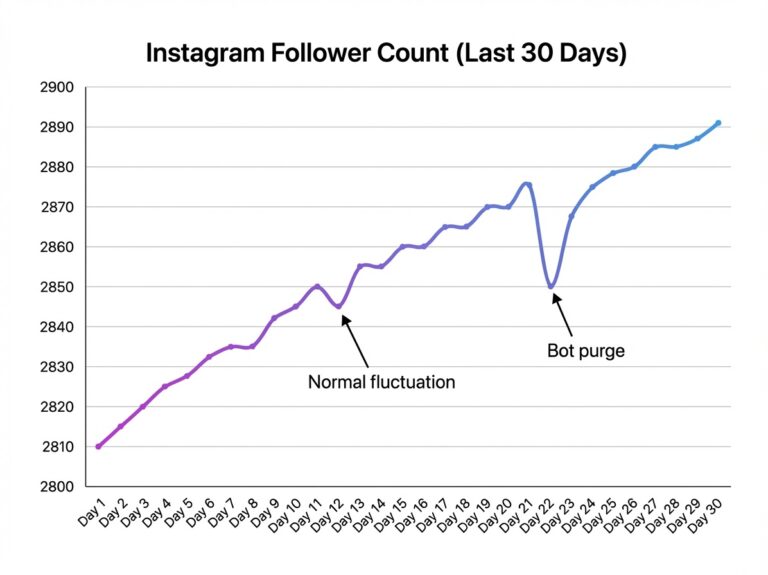
Early 2026 had noticeable spikes in inactive account cleanups. When Instagram removes spam, disables bots, or a user deactivates, they disappear from your followers list without “unfollowing” in the normal human way.
Some tools lump these together as unfollows. Others don’t. So two trackers can show different results while both are technically “right” based on their definitions.
What’s working in 2026 (and what I actually recommend)
Look, the safest direction right now is no-login and export-based tracking. The industry has basically split into two camps: tools that try to hook into Instagram directly (riskier, more breakage), and tools that help you compare data you export yourself (boring, but stable).
Option A: Use a no-login public-account tracker
If your account is public and you want quick checks without giving credentials, I’ve had good results using UnfollowGram Followers & Unfollowers Tracker for fast “who changed” style tracking. It’s the same reason I recommend no-login tools to clients who’ve already been locked once: fewer headaches, less drama.
One lived-detail note: when people message me “it didn’t show my unfollower,” it’s often because they ran it right after the unfollow. Waiting even 30 to 60 minutes and running again tends to fix a surprising number of “misses.” I know that sounds too simple. But it’s real.
Option B: Export your Instagram data and compare lists (the “boring but safest” method)
This is the method I fall back on when a client has a sensitive account (verified, big sponsorships, or they’ve already triggered security checks). You export your followers/following lists from Instagram settings, then compare the files.
There’s a good overview of safer tracking options here: a 2026 rundown of safer unfollower app approaches. And if you want broader tool context, this summary is useful too: safe unfollower tracking in 2026.
Option C: Stop obsessing over unfollows and tie churn to content
I know, I know. You came here because you want the name of the person who unfollowed. Same. But if you manage creators or brands, the better move long-term is pairing follower changes with content performance.
Tools that focus on analytics (not just raw unfollow lists) can be more actionable, especially after campaigns. Zeely has a decent angle on this: connecting unfollows to audience behavior.
Quick troubleshooting: when your unfollower app “isn’t working”
If your unfollower app not working problem looks like “it missed one person,” do this in order. Don’t skip around. (Okay, I used to skip around. It wasted my time.)
- Wait an hour and re-check. If the unfollow was recent, Instagram’s lists can lag.
- Confirm manually. Search the username in your Followers list. If they’re not there, it’s real.
- Check if the person blocked you. If you can’t find them at all, it might be a block or deactivation, not a normal unfollow.
- Look for partial-data signs. If the app suddenly shows way fewer followers than usual, it probably pulled an incomplete list.
- Reduce scan frequency for a day. Counterintuitive, but hammering refresh can increase throttling and make data worse.
- If the account is private, switch methods. Use export-based comparisons or accept that some tracking won’t be available.
- Never “fix” it by logging into a random app. That’s how you trigger account checkpoints.
Failure modes: where this gets weird (and breaks)
This is the stuff I wish more apps admitted upfront.
Failure mode #1: Large lists + frequent checks = throttling
If you’ve got thousands of followers and you check multiple times a day, you’re more likely to hit rate limits. The tracker might still run, but the output gets flaky. Sometimes it looks like it “missed” unfollows. Sometimes it invents them. Gross.
On bigger accounts I manage, I’ve had the best consistency doing scheduled checks (daily or every other day), not constant manual refreshing. When a creator is in that anxious “who left?” loop, their tracker accuracy usually drops.
Failure mode #2: Short-lived unfollows (unfollow then re-follow)
This happens more than people think. Especially with networking types who unfollow-clean every Friday, then re-follow when they notice you noticed. If your tool only compares snapshots once per day, it can miss the whole event.
And yeah, this is where I’ll admit something: I used to take unfollows personally. Like, I’d stew on it. Then I started seeing how often people unfollow for totally non-personal reasons (cleanup sprees, feed resets, engagement experiments). It helped me chill out.
Limitations (the honest stuff)
- This won’t always tell you “why” someone unfollowed. You can correlate timing with posts, but you won’t get intent.
- You can’t get true real-time unfollow alerts through official channels. Any app promising instant push notifications for unfollows is either guessing or operating in risky territory.
- Private accounts are a hard wall for many tracking approaches. Your mileage really does vary based on visibility and access.
Common mistakes I see constantly
- Handing over Instagram passwords to “fix” an unfollower app not working situation. That’s the fastest way to get flagged.
- Believing “real-time tracking” marketing and then getting mad when it behaves like snapshots (because that’s what it is).
- Bulk unfollowing to “clean up” right after seeing non-followers. Instagram notices mass actions and will slow you down or block actions.
- Using tools that don’t handle big lists well. If you’re over 1,000 followers, you need something that can reliably process large follower sets without timing out or pulling partial data.
Honestly, the worst combo is “login required” + “mass unfollow feature.” That’s the stuff that gets people into trouble, then they blame Instagram, then they blame the tracker, then they’re locked out for 24 hours. Been there with clients. Not fun.
FAQ
Is Instagram unfollow glitch?
Sometimes it looks like one because follower lists can lag or update inconsistently, especially right after an unfollow or during platform cleanups. Most of the time it’s delay or throttling, not a permanent glitch.
Why is Instagram not letting me unfollow people?
You’re probably action-blocked from unfollowing too fast, or Instagram flagged your activity as automated. Slow down, wait a few hours, and avoid bulk actions.
Why does my unfollower app not working even though someone unfollowed?
Because the app may have taken an incomplete snapshot, checked too soon, or missed a short unfollow-then-refollow window. Re-check later and confirm manually in your Followers list.
Can any app show unfollows in real time?
Not reliably through official access. Real-time claims are usually marketing, guessing based on follower count changes, or methods that increase account risk.
What’s the safest way to track unfollowers?
No-login tools for public accounts, or export-based list comparisons for maximum safety. If you’re managing a high-value account, exports are the calm, reliable option.
Wrap-up (and what I’d do next)
If your tracker missed an unfollow, don’t assume it’s “broken.” Most of the time it’s timing, throttling, partial lists, or the fact that Instagram just doesn’t make this data clean and instant.
If you want quick, no-password checks for public accounts, use UnfollowGram and get into a simple rhythm: check at consistent times, don’t spam refresh, and confirm edge cases manually. You’ll get fewer false alarms and way fewer “unfollower app not working” moments.
And if you’re the type who spirals over one unfollow (hi, same sometimes), try zooming out: track patterns weekly, tie churn to posts, and treat unfollows as data, not betrayal. It’s healthier. It really is.

Ethan is the founder of UnfollowGram with more than 12 years of experience in social media marketing. He focuses on understanding how Instagram really works, from follower behavior to engagement patterns, and shares those insights through UnfollowGram’s tools and articles.